



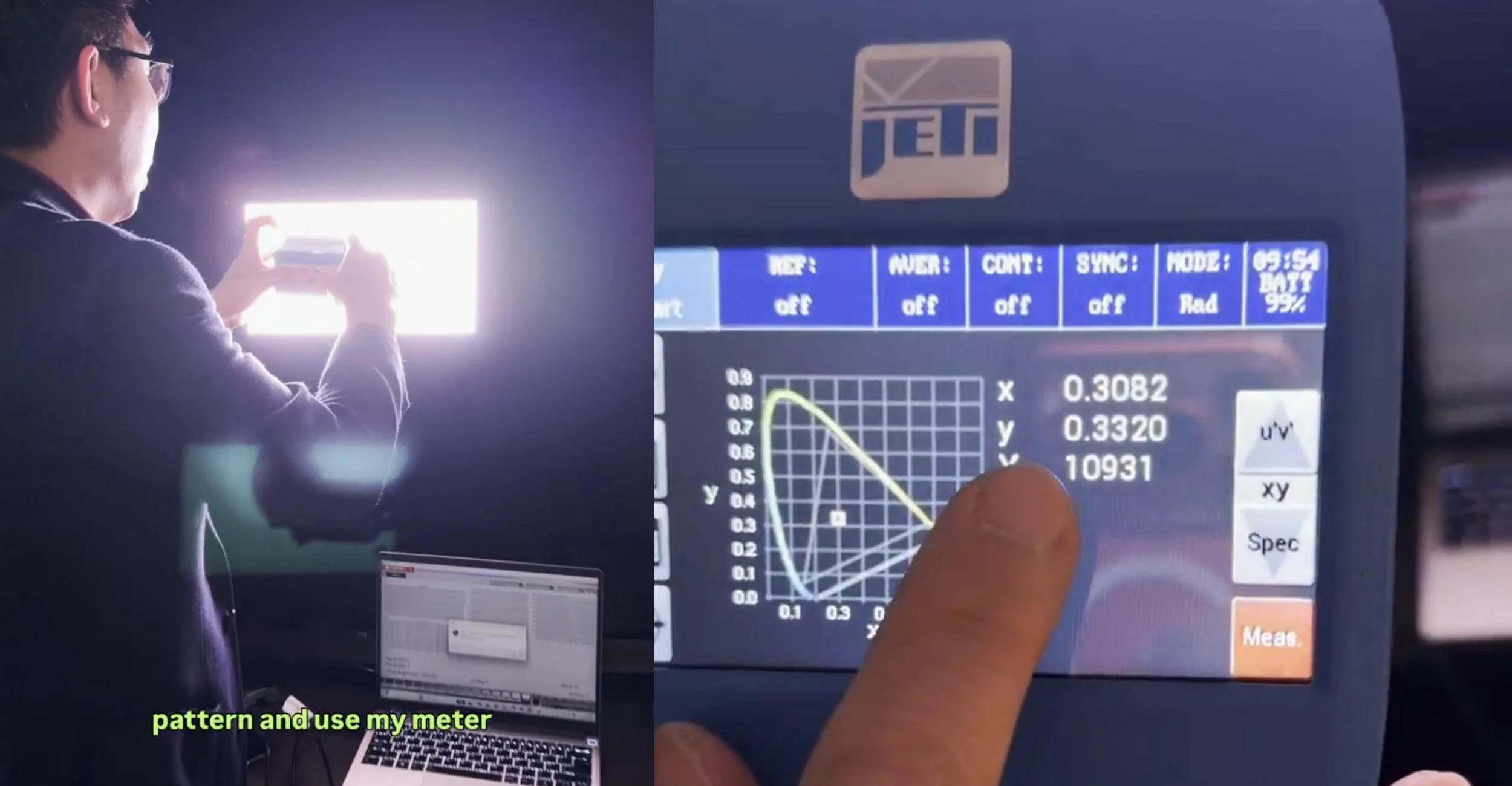
TCL’s X11L Mini LED TV has reportedly crossed a major brightness milestone, with display reviewer Vincent Teoh measuring nearly 11,000 nits on the 85 inch model. That puts the TV above the 10,000 nit level used as the upper range for the PQ HDR system, which underpins HDR10, HDR10 Plus, and Dolby Vision content.
The result is striking because TCL officially rates the X11L at up to HDR 10,000 nits. If the measured result holds across other units, it means the 85 inch model can exceed the company’s own peak brightness claim in certain HDR test conditions.
The brightness number is impressive, but normal viewing will not look like a full screen spotlight
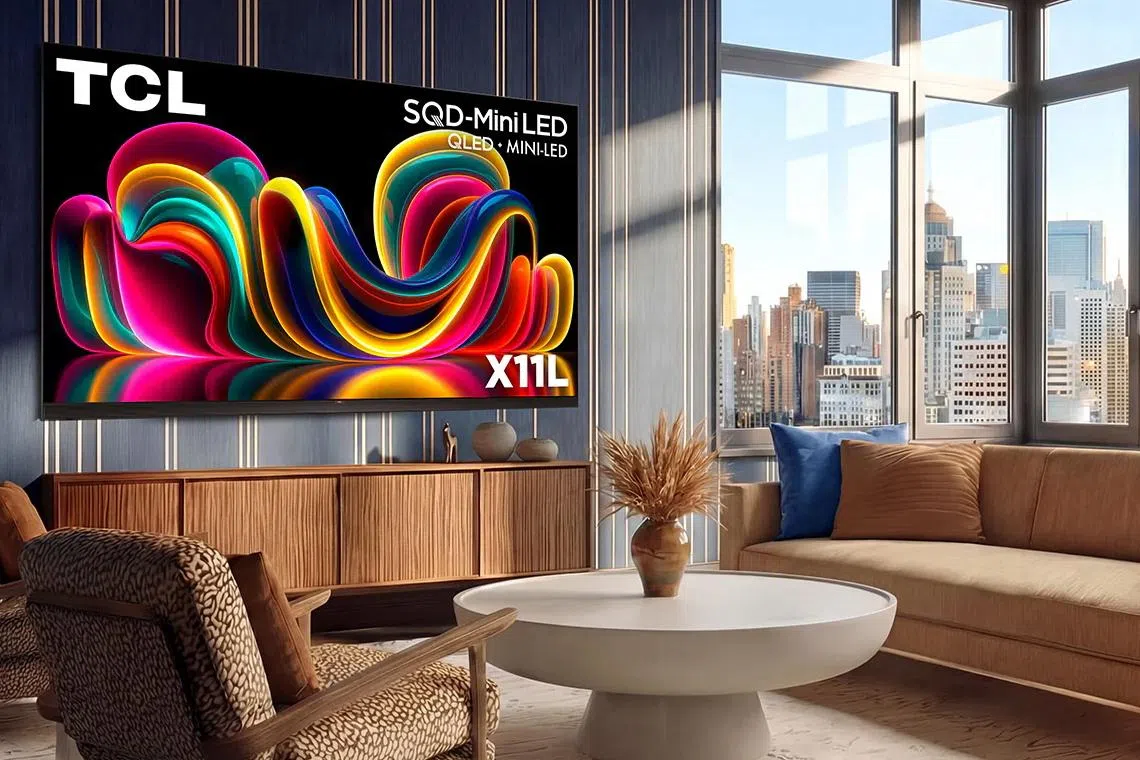
The 85 inch TCL X11L uses SQD Mini LED technology and includes 14,400 dimming zones. The larger 98 inch model increases that to 20,736 dimming zones. More dimming zones help the TV control bright and dark parts of the screen more precisely, which is important when a display is pushing extreme HDR brightness.
| TV or display | Peak brightness mentioned |
|---|---|
| TCL X11L 85 inch | Nearly 11,000 nits measured |
| TCL official X11L rating | Up to HDR 10,000 nits |
| Hisense 116UX RGB MiniLED | Up to 8,000 nits |
| Samsung QD OLED Penta Tandem TV panels | Up to 4,500 nits |
| Sony BVM HX3110 mastering monitor | Up to 4,000 nits |
The nearly 11,000 nit result does not mean the whole screen will stay that bright during normal movies, games, or TV use. Peak HDR brightness is usually measured in small test windows, not across the full display at all times. Real content changes constantly, and TVs manage brightness based on heat, power, scene detail, and dimming behavior.
Still, the number shows how far Mini LED TVs are moving. For years, OLED displays were praised for contrast and black levels, while Mini LED and LCD based TVs pushed harder on brightness. TCL’s X11L appears to take that brightness race to an extreme level.
The power numbers also show why this kind of brightness is not free. The report mentions 155 kWh per year in SDR mode and 690 kWh per year in HDR mode, with a maximum power consumption of 740W based on a retailer listing. That is a lot for a TV, though real power use will depend on settings, content, brightness mode, and viewing habits.
The TV’s brightness could be useful for HDR highlights, bright rooms, and scenes with intense specular detail such as sunlight, explosions, reflections, and glowing effects. It may also help HDR content look more impactful without tone mapping as aggressively, assuming the TV controls blooming and local dimming well.
The bigger question is whether brightness this high improves the overall experience or simply becomes a spec race. A great HDR TV still needs accurate colors, strong contrast, good motion handling, clean processing, and careful tone mapping. Extreme brightness is impressive, but it is only one part of image quality.
For now, the X11L looks like one of the brightest consumer TVs discussed so far. A measured peak near 11,000 nits gives TCL a major talking point and shows that Mini LED still has plenty of room to push HDR further.
Discussion (0)
Be the first to comment.