



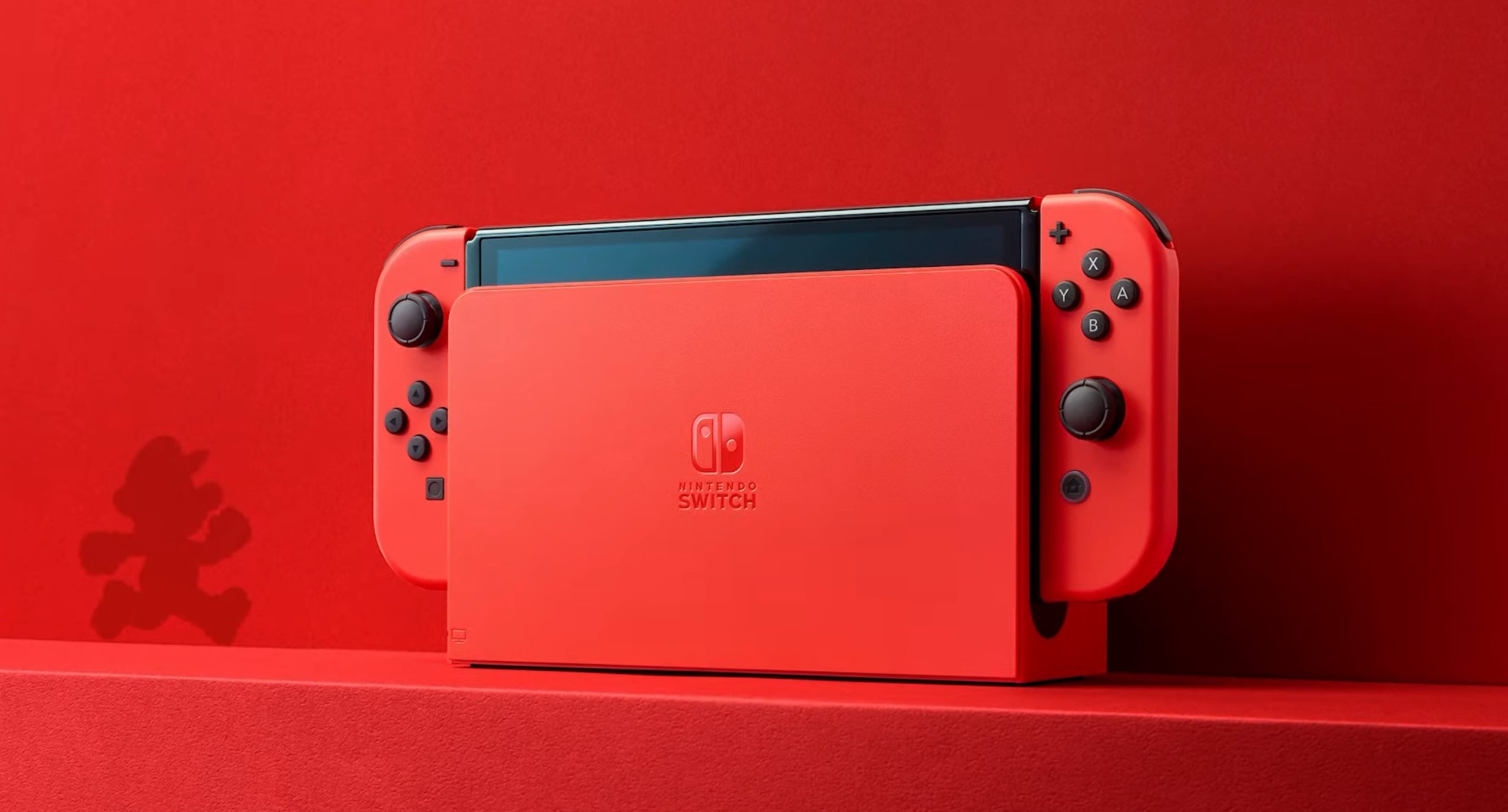
Nintendo Switch emulator Suyu has released version 0.0.4 with a new Recompiler mode that could significantly reduce CPU overhead on PC.
The feature uses ahead of time static recompilation to convert Nintendo Switch AArch64 game code into native x86 64 executables before the game runs. This differs from the just in time translation approach commonly used by emulators such as Yuzu and Ryujinx.
Suyu 0.0.4 is also described as the final public release of the project, making the new recompilation feature one of its most notable additions before active development ends.
| Detail | Suyu 0.0.4 Recompiler mode |
|---|---|
| Source architecture | AArch64 |
| Target architecture | x86 64 |
| Translation method | Ahead of time static recompilation |
| Main goal | Reduce CPU overhead |
| Expected benefit | Higher and more stable performance |
| Shader stutter | Potentially reduced |
| Emulator status | Final public release |
| Native PC execution | Not fully native |
Static recompilation changes how game code is handled
Traditional Nintendo Switch emulation usually relies on runtime translation.
The Switch uses ARM based code, while most gaming PCs use x86 64 processors. An emulator therefore has to translate instructions while the game is running.
That process adds CPU overhead.
Suyu's Recompiler mode tries to reduce that cost by converting game code in advance instead of translating it repeatedly during gameplay.
The result is closer to how manual recompilation projects work, where console software is translated into code that can execute more directly on PC hardware.
This does not mean Switch games suddenly become native Windows applications.
The Switch operating environment, graphics APIs and other hardware specific functions still require compatibility layers and emulation.
Mid range PCs could benefit the most
Reducing CPU translation overhead could be particularly useful on systems that previously struggled to maintain high frame rates.
High end processors already have enough performance to absorb much of the extra work created by emulation.
Mid range CPUs have less headroom, so removing part of that translation workload could produce a more noticeable improvement.
Static recompilation may also help reduce some stutter associated with runtime translation and shader preparation, although results will vary between games.
The feature could make higher resolutions and higher frame rates more practical on hardware that previously required stronger CPUs.
Large open world games may see bigger gains
The biggest benefits are expected in demanding titles that regularly place heavy loads on the CPU.
Games such as The Legend of Zelda: Breath of the Wild, Tears of the Kingdom and the Xenoblade Chronicles series are likely candidates.
Open world games constantly stream assets, process large environments and run numerous gameplay systems at once.
When emulation overhead is added to those demands, CPU performance can become one of the main limits.
Reducing translation work therefore has the potential to improve both average performance and consistency.
PC versions can still offer features beyond original hardware
Nintendo has released improved versions of several games for Switch 2, but PC emulation continues to attract interest because of its flexibility.
Emulated games can potentially run at higher resolutions and frame rates, depending on hardware and compatibility.
Community modifications can also add visual features or other changes not available on the original console versions.
Some projects have introduced advanced effects such as ray tracing, showing how far PC based enhancements can go beyond the original presentation.
Those possibilities remain separate from the technical improvements introduced by Suyu's new recompilation system.
Recompiler mode is important, but compatibility remains critical
Ahead of time recompilation can improve efficiency, but it also creates engineering challenges.
Games may use unusual code paths, system calls or behavior that must still be translated correctly.
Compatibility will therefore depend on how accurately Suyu handles individual titles and their interaction with its high level emulation backend.
Performance gains are also unlikely to be identical across every game.
Some titles are limited more by graphics performance than CPU translation, while others may already run well enough that the difference is small.
Even so, Suyu 0.0.4 represents an important technical step for Nintendo Switch emulation.
By moving part of the workload from runtime translation to precompiled x86 64 code, the emulator shows one possible path toward lower CPU requirements and more consistent PC performance.



Discussion (0)
Be the first to comment.