



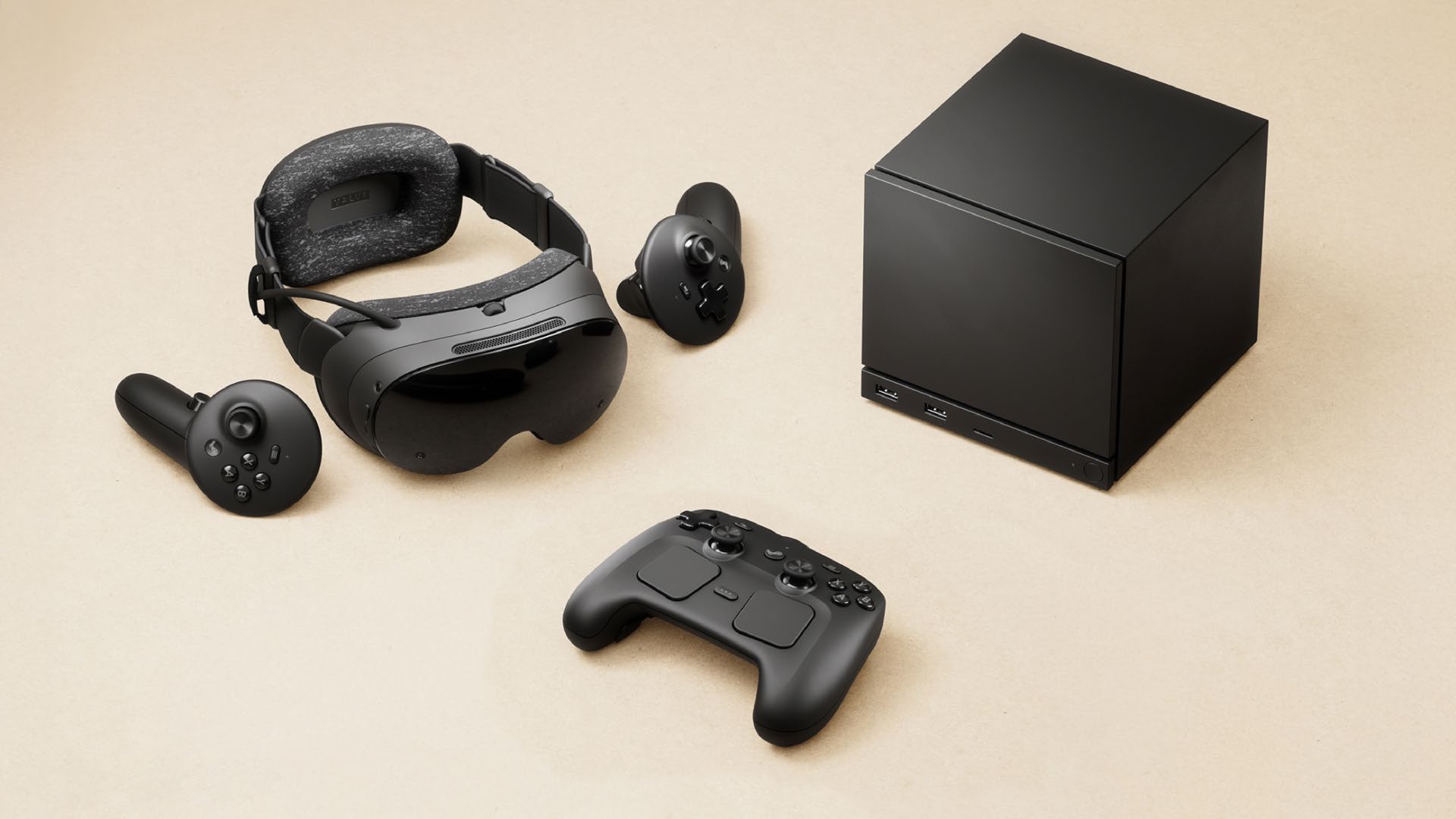
Valve has released SteamOS 3.8 as a stable update, and the biggest change may be the clearest sign yet that the Steam Machine is close to launch. The update includes initial support for upcoming Steam Machine hardware, suggesting that Valve is now preparing its operating system for the compact gaming PC’s arrival.
SteamOS 3.8 is more than a small maintenance patch. It brings improvements to graphics support, desktop performance, external display compatibility, and hardware support for newer Intel and AMD platforms. However, the Steam Machine reference is likely to attract the most attention because Valve has already indicated that the device is expected to launch during summer 2026.
The final price and release date remain unknown, but the software groundwork now appears to be in place.
Steam Machine support is now part of the stable SteamOS release
Valve’s update notes include a direct reference to “initial support for upcoming Steam Machine hardware.” That wording suggests the company is moving beyond internal testing and preparing SteamOS for public hardware.
Adding hardware support to the stable version of SteamOS is an important step because it means the system can now recognise, configure, and run on the upcoming device without relying only on beta software.
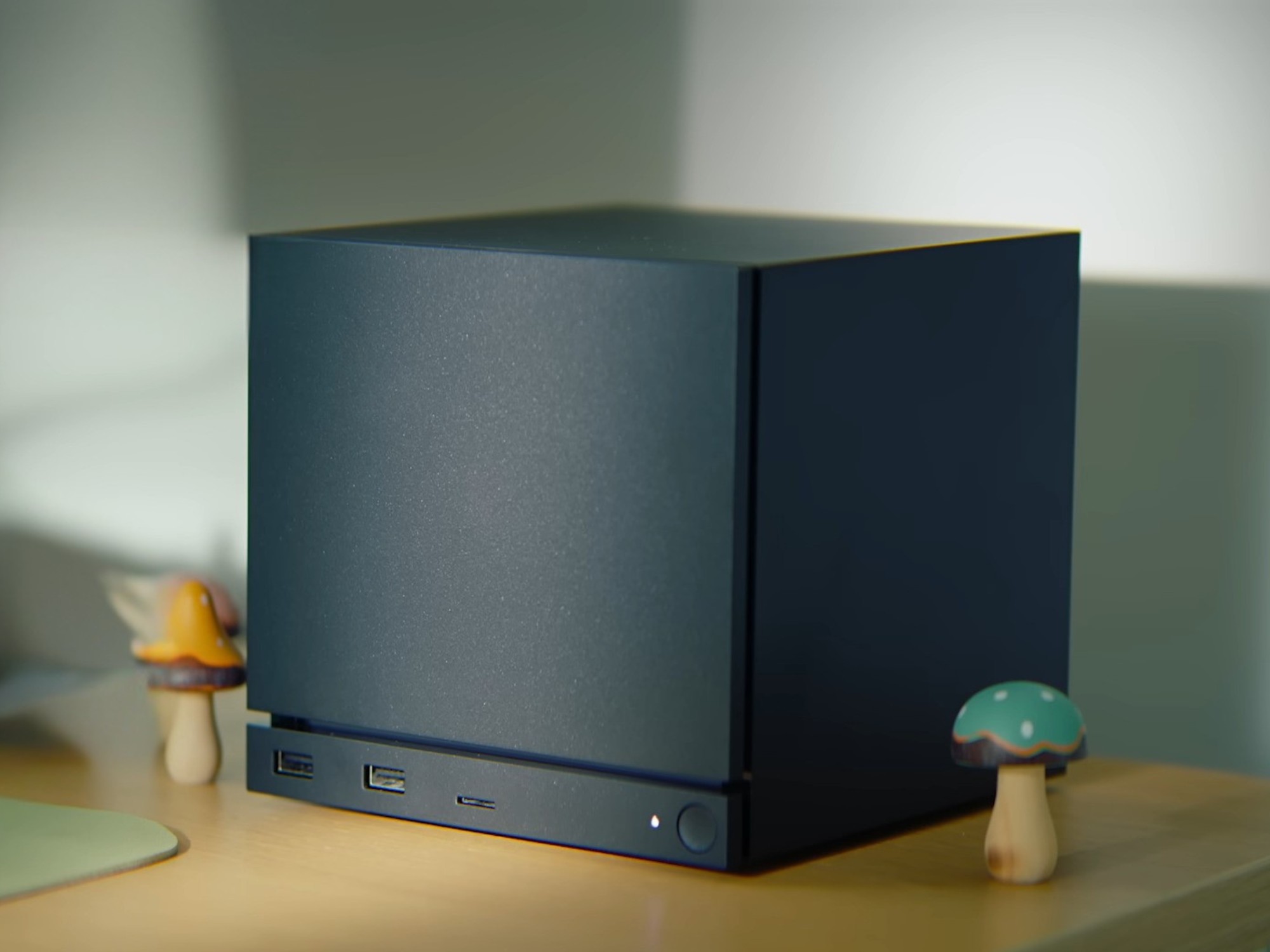
The Steam Machine is expected to be a small living room gaming PC built around SteamOS. Unlike a traditional console, it should offer access to the wider Steam library while using a controller-friendly interface similar to the Steam Deck.
| SteamOS 3.8 addition | What it could mean |
|---|---|
| Steam Machine support | Software preparation for Valve’s upcoming PC |
| Updated graphics driver | Better performance and stability in games |
| KDE Plasma 6.4.3 | Improved Desktop Mode experience |
| Wayland improvements | Better display and desktop performance |
| External display updates | Stronger support for monitors and TVs |
| Intel and AMD compatibility | Broader support for newer hardware |
Valve has not announced the Steam Machine’s final release date, but this update makes it harder to believe that the device is still far away.
SteamOS 3.8 also improves Steam Deck Desktop Mode
The update includes a move to KDE Plasma 6.4.3 with Wayland support. This should improve the Steam Deck’s Desktop Mode experience, especially for players who use the device with external monitors, keyboards, mice, and docks.
Desktop Mode has always been one of the Steam Deck’s biggest strengths because it gives players access to a full Linux environment. You can install software, manage files, use web browsers, configure emulators, and connect accessories.
However, desktop performance and display support have sometimes been inconsistent. The new KDE and Wayland updates should help make the interface smoother and improve support for modern display features such as variable refresh rate.
The update also includes general stability improvements and game performance fixes through an updated graphics driver.
Intel handheld support is getting better
Valve is also improving SteamOS support for newer Intel and AMD hardware. That matters because SteamOS is slowly expanding beyond the Steam Deck and could become a more practical option for handheld gaming PCs from other manufacturers.
Intel-powered handhelds have received more attention in recent months, particularly as new chips enter the portable gaming market. SteamOS support could give owners another operating system option beyond Windows, especially if they want a simpler controller-focused interface.
The update also improves video memory management for discrete graphics cards. This should benefit more powerful SteamOS systems, including the upcoming Steam Machine.
The Steam Machine price is still the biggest unknown
The Steam Machine may be close, but its price remains a major concern. Valve has not confirmed how much the device will cost, and the wider PC hardware market is dealing with rising prices for memory, storage, and other components.
Recent reports have suggested that the Steam Machine could cost $1,000 or more. Some estimates have even placed the device closer to $1,200, although Valve has not confirmed those figures.
The concern is that a high price could make the Steam Machine difficult to position as a mainstream living room gaming device. It may offer more flexibility than a console, but it will need to compete with PlayStation 5, Xbox Series X, gaming laptops, and existing handheld PCs.
Valve appears to be entering the final stage before launch
SteamOS 3.8 does not officially reveal the Steam Machine, but it adds another important piece to the picture. Valve now has SteamOS support in a stable release, reviewers are reportedly beginning to see the hardware, and recent benchmark and certification appearances suggest development is close to completion.
The company may still have a few final details to reveal, including pricing, performance targets, storage options, and launch regions. But SteamOS 3.8 makes one thing clear: Valve is preparing for the Steam Machine to become a real product very soon.



Discussion (0)
Be the first to comment.