



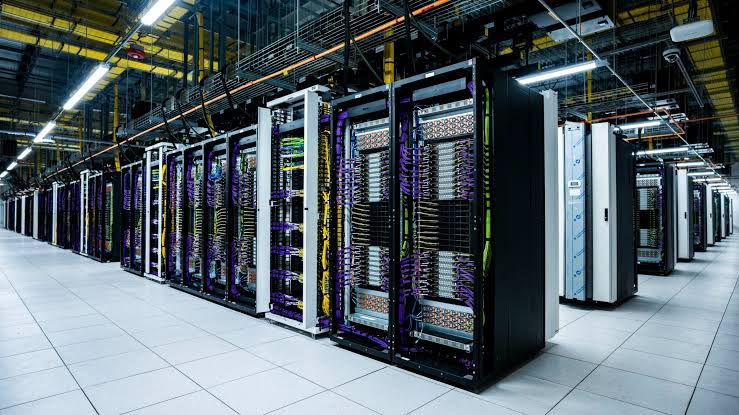
SpaceX is reportedly exploring the possibility of producing some of its own fiber optic equipment as it expands Starlink and prepares for much larger AI data center operations.
The move would follow a strategy SpaceX has used for years in its rocket business. Rather than depending entirely on outside suppliers, the company has often brought important parts of its hardware development in house to control costs, improve supply stability and move faster.
That approach helped SpaceX with components such as rocket engines. The company developed its own Merlin engines for Falcon rockets and later expanded internal manufacturing further with Starship and the Raptor engine family.
Now, the same philosophy could be applied to communications infrastructure.
SpaceX Could Reduce Dependence on External Fiber Suppliers
SpaceX currently relies on outside companies for some fiber optic and networking equipment. The company is reportedly evaluating whether it should manufacture fiber optic cables itself and secure additional sources for optical transceivers.
Optical transceivers are important because they convert electrical signals into light signals and back again. They are widely used in communications networks and data centers where very large amounts of information need to move quickly.
| Area | Reported SpaceX plan |
|---|---|
| Fiber optic cables | Possible in house manufacturing |
| Optical transceivers | Alternative sourcing under consideration |
| Main uses | Starlink and AI data centers |
| Planned AI capacity | 10 GW initially |
| Internal capacity allocation | About 60 percent |
| External customer allocation | About 40 percent |
| Longer term capacity target | 20 GW by 2028 |
Supply chain concerns appear to be one reason SpaceX is considering a change.
Some of its current suppliers are based in China, and communications hardware has received greater attention from the US government because of security concerns. That creates additional procurement risk for companies that depend heavily on Chinese networking components.
By developing more equipment internally or adding suppliers outside China, SpaceX could reduce its exposure to future restrictions.
AI Data Centers Could Make Fiber More Important
The reported fiber plans also fit with SpaceX's growing interest in AI infrastructure.
The company is said to be planning around 10 GW of AI data center capacity. Roughly 60 percent of that capacity could be reserved for SpaceX, Tesla and xAI.
The remaining 40 percent could reportedly be sold to large external AI customers.
If those plans move forward, SpaceX would need enormous amounts of high speed networking hardware. Fiber optic systems would be essential for connecting servers, accelerators and separate data center sections while maintaining the bandwidth required by AI workloads.
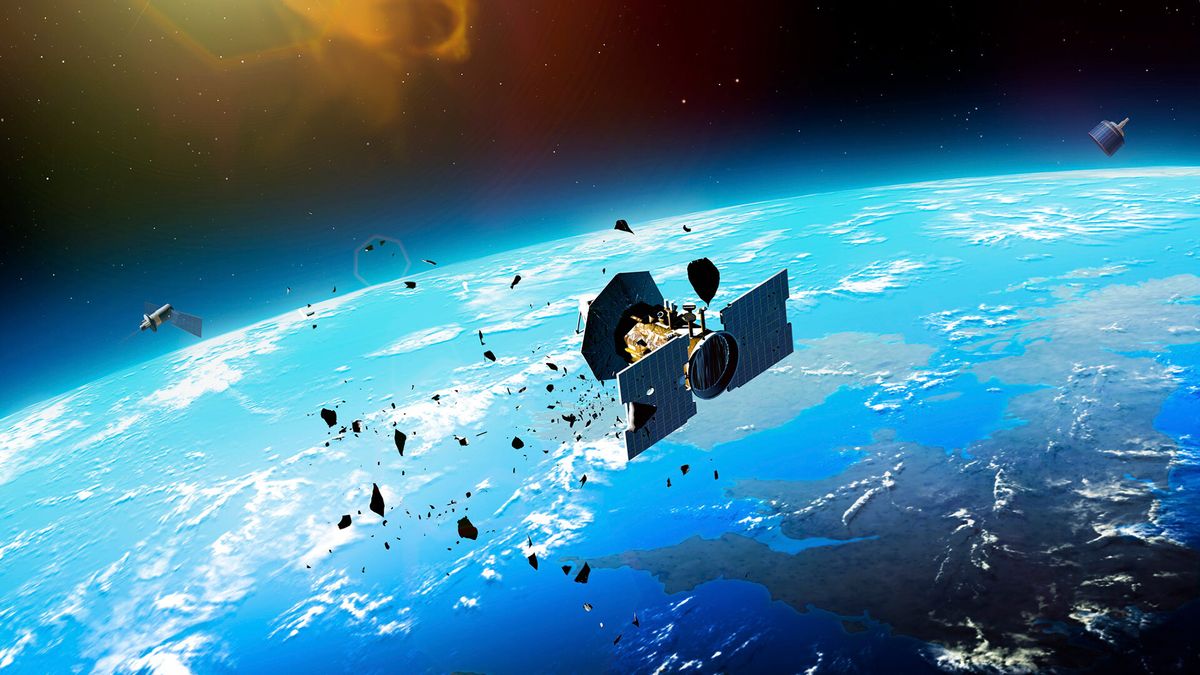
The scale could grow further. SpaceX is reportedly targeting as much as 20 GW of capacity by 2028.
There are also longer term concepts connected to the company's infrastructure plans. These include a Star Mine data center project targeted for 2027 and a more ambitious idea involving lunar data center construction using Tesla's Optimus humanoid robots in 2028.
Those plans remain highly ambitious and should be treated separately from infrastructure that is already operating.
SpaceX Is Applying Its Manufacturing Strategy Beyond Rockets
The broader significance is that SpaceX may be extending its vertical integration strategy into new parts of its business.
With rockets, internal manufacturing gave the company more control over cost and supply. Doing something similar with networking equipment could provide the same advantages as Starlink and AI infrastructure become larger parts of the company.
Producing fiber optic cables internally would not remove the need for outside suppliers entirely. Optical networking includes many specialized components, and transceivers in particular require advanced manufacturing capabilities.
Still, even partial internal production could give SpaceX another way to manage costs and reduce dependence on suppliers affected by trade restrictions.
The idea is reportedly still under consideration, so there is no confirmation that SpaceX will move ahead with large scale fiber manufacturing.
If it does, the decision would show that the company's manufacturing strategy is expanding well beyond launch vehicles. Starlink and AI data centers could increasingly rely on the same principle that helped SpaceX develop its rocket business: build more critical hardware internally whenever cost, scale or supply chain control make it worthwhile.



Discussion (0)
Be the first to comment.