



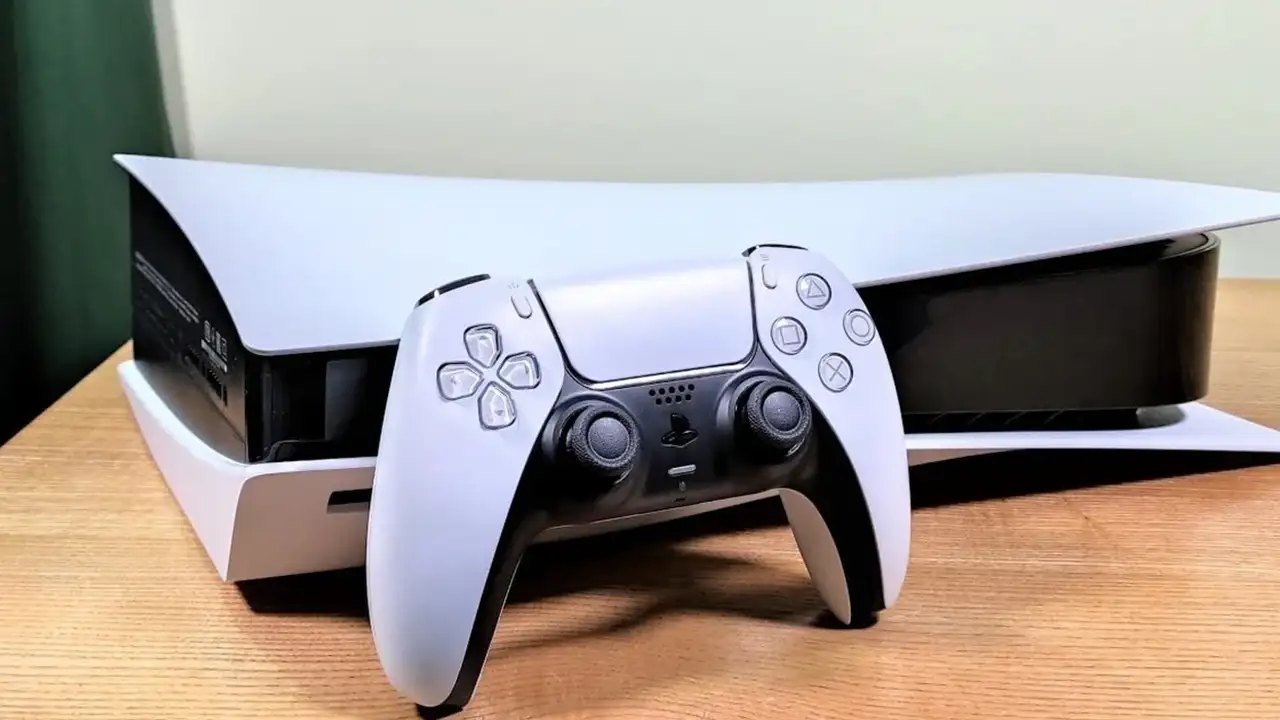
Sony has filed a patent describing a cloud based AI system that could continuously monitor consumer electronics, detect software problems, diagnose their cause and generate targeted fixes automatically.
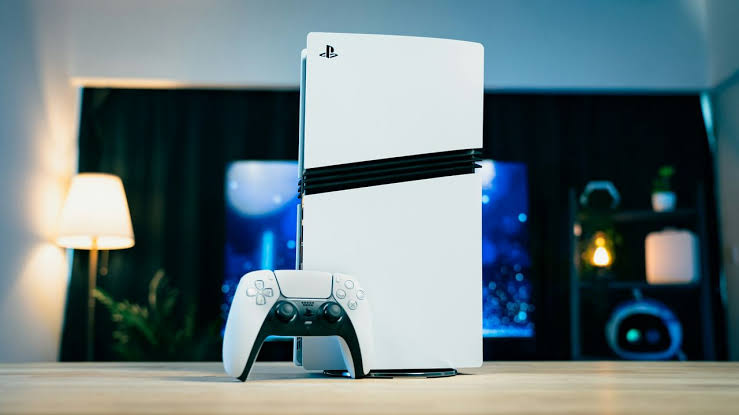
The concept could apply to PlayStation consoles as well as other Sony devices such as televisions, cameras, audio products and smartphones.
If implemented, the system would aim to solve software issues before they become serious enough for owners to notice or contact customer support.
AI would monitor devices from the cloud
The patent describes remote servers tracking the operational state of connected hardware.
If the system detects a software anomaly such as a memory leak, recurring crash or another abnormal condition, a cloud hosted AI model would analyze telemetry from the affected device.
The AI could then create a custom diagnostic process or software patch designed specifically for that problem.
| Function | Proposed behavior |
|---|---|
| Device monitoring | Continuous cloud based observation |
| Problem detection | Software anomalies, crashes and memory leaks |
| Diagnosis | AI analyzes telemetry |
| Repair | Custom diagnostic code or patch generated |
| Deployment | Automatic if judged safe |
| Escalation | Human engineers handle high risk cases |
| Target hardware | Consoles and other Sony electronics |
The main difference from traditional support would be speed and specificity.
Instead of waiting for a broad firmware update that addresses several problems at once, the system could theoretically create a localized fix for an individual issue.
Some fixes could be installed automatically
According to the patent, generated fixes could be evaluated against safety thresholds before deployment.
If the system decides the proposed repair is sufficiently safe, it could push the update directly to the device without requiring manual troubleshooting.
That could reduce the amount of time spent following support instructions or waiting for a larger system update.
More complicated problems would still be escalated to human engineers for manual inspection.
This suggests Sony is not proposing complete removal of human oversight, especially for issues that could affect important system functions.
The system could reduce support and repair costs
Automated diagnosis could have benefits beyond convenience.
Software problems can sometimes be mistaken for hardware failures, leading to unnecessary service requests or product returns.
A cloud system capable of identifying and repairing routine software faults could potentially reduce those cases.
It could also reduce reliance on traditional support tickets, where customers may need to describe symptoms manually before a technician can begin diagnosing the issue.
Sony's patent covers a wider hardware ecosystem rather than PlayStation alone, which means the same approach could potentially be applied across several product categories.
Automatically generated firmware carries clear risks
The idea also introduces significant technical and security concerns.
AI generated code can contain errors even when the output appears reasonable.
That becomes particularly important when software interacts directly with low level hardware controls.
A flawed update affecting thermal management, power delivery, storage or other critical systems could cause instability or, in a worst case scenario, leave a device unable to boot.
Automatically pushing generated patches therefore creates a much higher safety requirement than using AI simply to recommend troubleshooting steps.
The patent's use of safety checks and human escalation appears intended to address some of these risks.
Security would be another major challenge
A system capable of remotely generating and deploying code would also become an important security target.
Attackers gaining access to the cloud infrastructure or update pipeline could potentially abuse the same mechanism intended to repair devices.
Any commercial implementation would therefore require strong authentication, code validation and secure update procedures.
The patent does not mean Sony has solved those problems or plans to deploy the system soon.
It instead describes an architecture the company may want to protect for possible future use.
A patent does not guarantee a future PlayStation feature
Sony regularly files patents for experimental technologies, and many never become commercial products.
There is currently no confirmation that this AI based diagnostic system will appear in a future PlayStation console or existing hardware.
Still, the filing shows one direction Sony is exploring for device support.
If the idea eventually reaches production, future electronics could become more proactive about software maintenance, detecting and correcting some problems before owners need to search for fixes themselves.
Discussion (0)
Be the first to comment.