



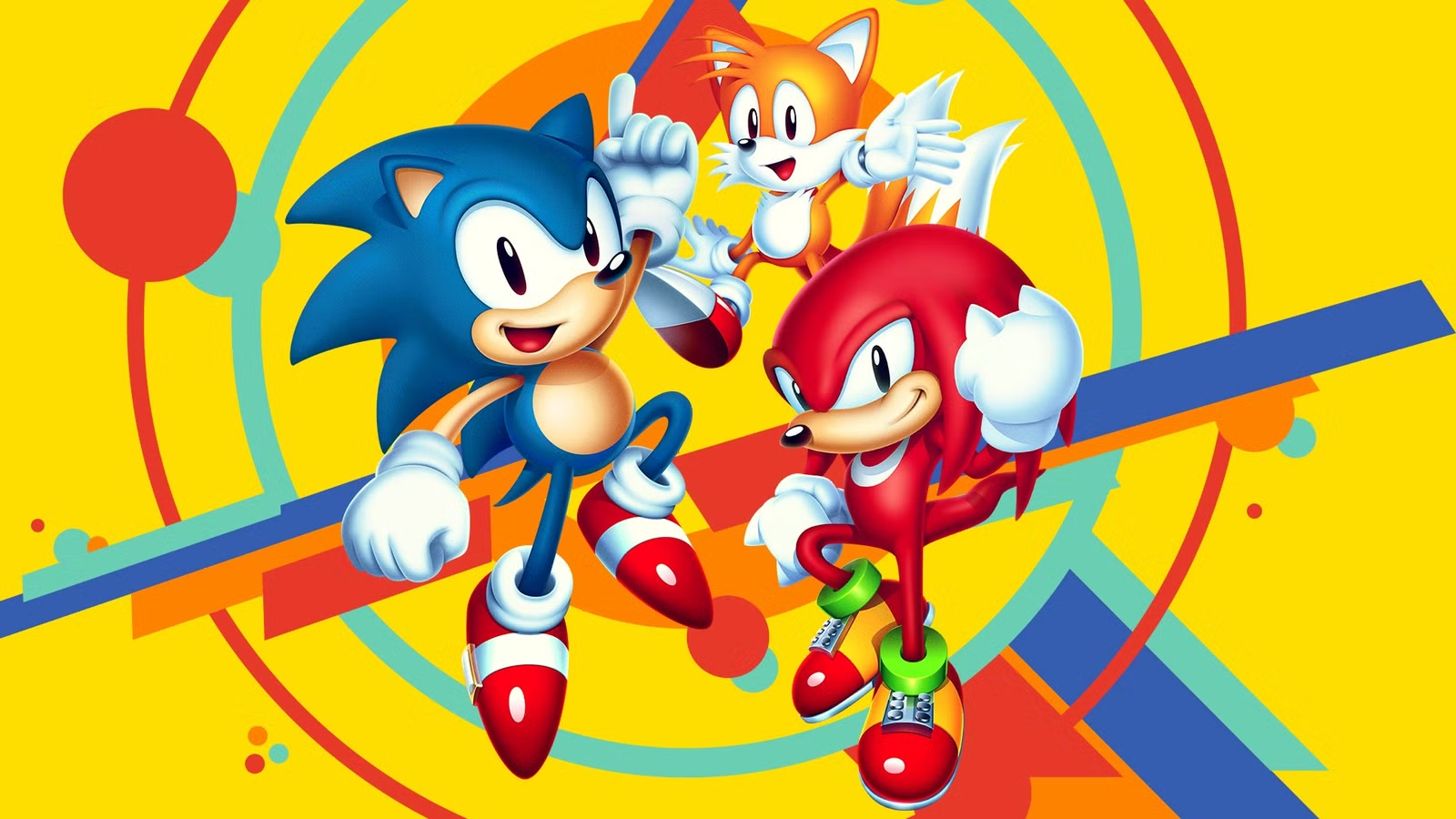
Sonic the Hedgehog is celebrating its 35th anniversary in 2026, but Sonic Team head Takashi Iizuka is already thinking about where the franchise could be another 35 years from now. He does not expect to still be working on Sonic at that point, yet he hopes he will still be around to play whatever the next generation of developers creates.
Iizuka has spent much of his career working with Sonic, to the point where he says he has been involved with the character for longer than he has been raising his own children. That connection makes the anniversary especially meaningful for him, as Sonic remains one of Sega’s most important game franchises more than three decades after its first release.
The developer described himself as proud of what Sonic Team and its partners have accomplished, especially as the series continues to introduce new games, remasters, racing titles, comics, films, and collaborations.
Sonic has reached a major milestone in 2026
Sonic the Hedgehog officially turned 35 this year, marking one of the longest-running careers in video game history for a mascot character.
The franchise first became famous for its fast platforming, colourful stages, and rivalry with Nintendo’s Mario. Since then, Sonic has gone through many changes, including 3D platformers, racing games, animated series, movies, comics, and crossover projects.
The character has remained relevant partly because Sega has continued experimenting with different styles of Sonic games. Some releases focus on traditional side-scrolling action, while others aim for open zone exploration, racing, multiplayer, or story-driven experiences.
| Sonic era | Major focus |
|---|---|
| Early years | Fast 2D platforming and mascot rivalry |
| Dreamcast era | 3D action and story-heavy adventures |
| Modern era | Mixed platforming styles and experimental gameplay |
| Recent years | Open zone exploration, remasters, racing, and crossovers |
| Future direction | New Sonic experiences from changing development teams |
That flexibility has helped Sonic remain active in a gaming industry where many older franchises disappear or become limited to nostalgia releases.
Iizuka says Sonic Team keeps challenging itself
Iizuka credited Sonic Team’s continued success to the people creating new Sonic content. He said the team keeps trying to develop new experiences rather than relying entirely on the same formula.
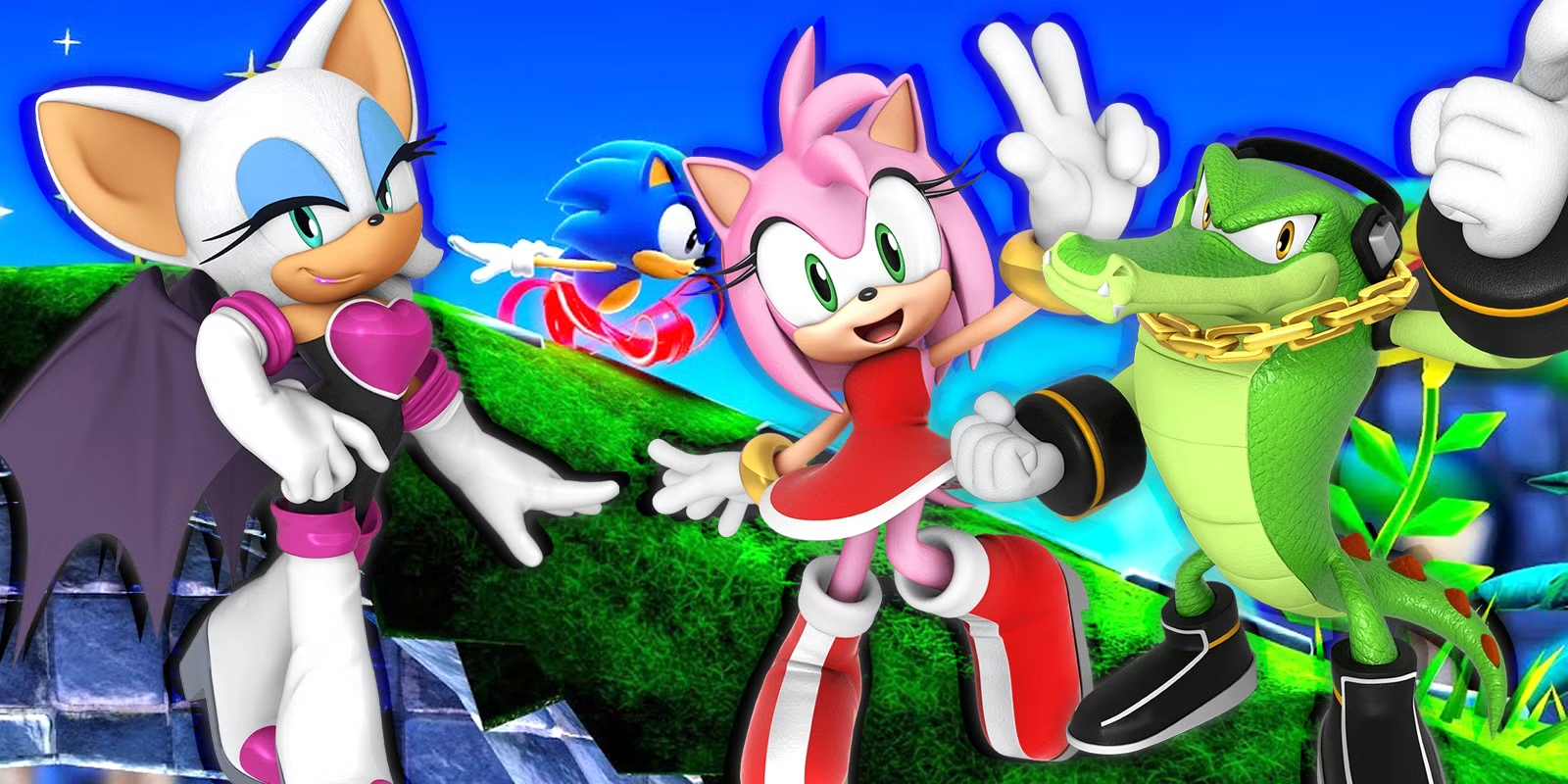
Recent releases have helped strengthen the franchise’s position. Sonic x Shadow Generations brought a modern update to a fan-favourite game, while Sonic Racing: CrossWorlds has continued to receive attention from players who enjoy competitive arcade racing.
Sonic Frontiers also helped reshape expectations for the series by introducing larger exploration areas and a more open structure than earlier Sonic games.
The franchise is no longer built around one type of game. Instead, Sega has made Sonic into a wider entertainment brand that can work across multiple genres and formats.
The next 35 years will depend on future developers
Iizuka joked that he may not be alive to see Sonic’s 70th anniversary, but he made clear that he hopes to keep playing Sonic games for as long as possible.
His comments reflect how large the franchise has become. Sonic is no longer tied to one developer, one console, or one generation of players. New teams will eventually shape the character’s future, just as earlier developers defined the series during the Mega Drive, Dreamcast, and modern console eras.
The challenge will be keeping Sonic fresh without losing the speed, character, and identity that made the franchise popular in the first place.
Sonic has survived major changes in gaming over the past 35 years, from cartridge consoles to online gaming, mobile platforms, digital stores, and cloud services. If the series continues to adapt while giving players memorable new experiences, there is a real chance that Sonic will still be racing through new worlds decades from now.



Discussion (0)
Be the first to comment.