


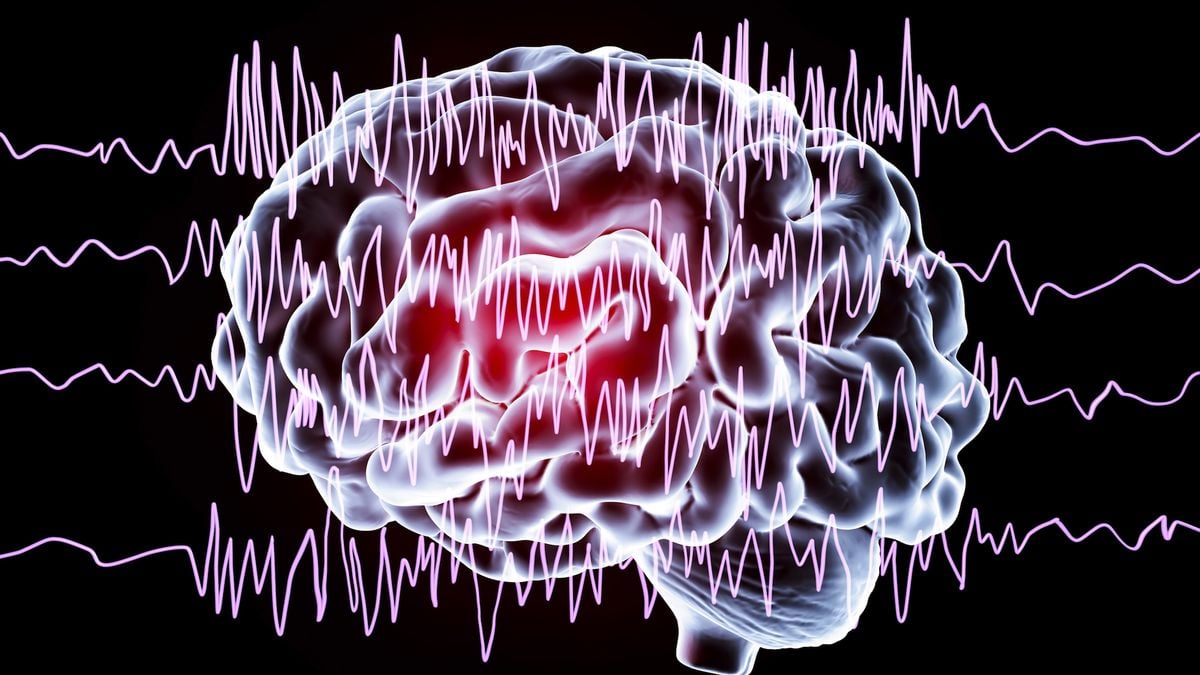
Some consumer sleep tracking devices may be collecting brainwave recordings for artificial intelligence training without clearly informing customers how their personal data is being used.
A recent investigation has raised concerns about companies using electroencephalography (EEG) recordings collected through wearable devices, including smart headbands and sleep monitors, to develop AI systems.
According to the report, companies involved in consumer neuroscience have accumulated millions of hours of brain activity recordings, with some estimates reaching 54 million hours.
The concern is that certain companies may have started using these recordings for AI development before updating their privacy policies to explain the practice.
However, the report does not establish that every sleep tracker collects EEG data or that all manufacturers use it without consent.
Brainwave Recordings Are Becoming Valuable for AI Development
EEG technology measures electrical activity in the brain through sensors placed on the scalp.
Some consumer devices use this information to monitor sleep patterns, identify different sleep stages and provide information about sleep quality.
The same recordings can also help researchers develop AI systems designed to analyze brain activity.
Collecting large amounts of EEG data through traditional clinical research can be expensive because participants often require specialized equipment and supervised testing.
Consumer wearables provide another possible source of recordings because people may use these devices regularly at home.
This creates opportunities for companies developing AI models trained on neurological information.
However, using recordings for research or commercial AI training introduces privacy concerns, particularly when customers originally provided their data for sleep monitoring.
Brainwave recordings do not directly reveal every thought, but they can contain sensitive information about neurological activity and health.
California and Colorado Introduce Stronger Neural Data Protections
The growing use of brain activity recordings has prompted lawmakers to examine whether existing privacy regulations adequately protect neurological information.
California and Colorado have introduced legal protections specifically addressing neural data.
These measures aim to strengthen requirements around how companies collect, process and share information generated by brain monitoring technologies.
However, privacy protections remain inconsistent across the United States, particularly at the federal level.
The investigation also raises questions about whether customers receive sufficient information when manufacturers change their data collection practices or introduce new AI training purposes.
What Sleep Tracker Owners Should Check
If you use a sleep monitoring device that records EEG activity, reviewing its privacy settings may help you understand how your information is handled.
You can check whether the manufacturer uses recordings for AI training, allows third party data sharing or provides an option to withdraw consent.
It is also worth checking whether recordings are stored locally or uploaded to company servers.
These details can vary significantly between manufacturers and devices.
The reported collection of large EEG datasets highlights the need for clearer disclosure as consumer health monitoring and AI development become more closely connected.
For now, the available information does not establish how widespread unauthorized neural data collection is, but it raises important questions about consent, transparency and the future use of personal brain activity recordings.



Discussion (0)
Be the first to comment.