


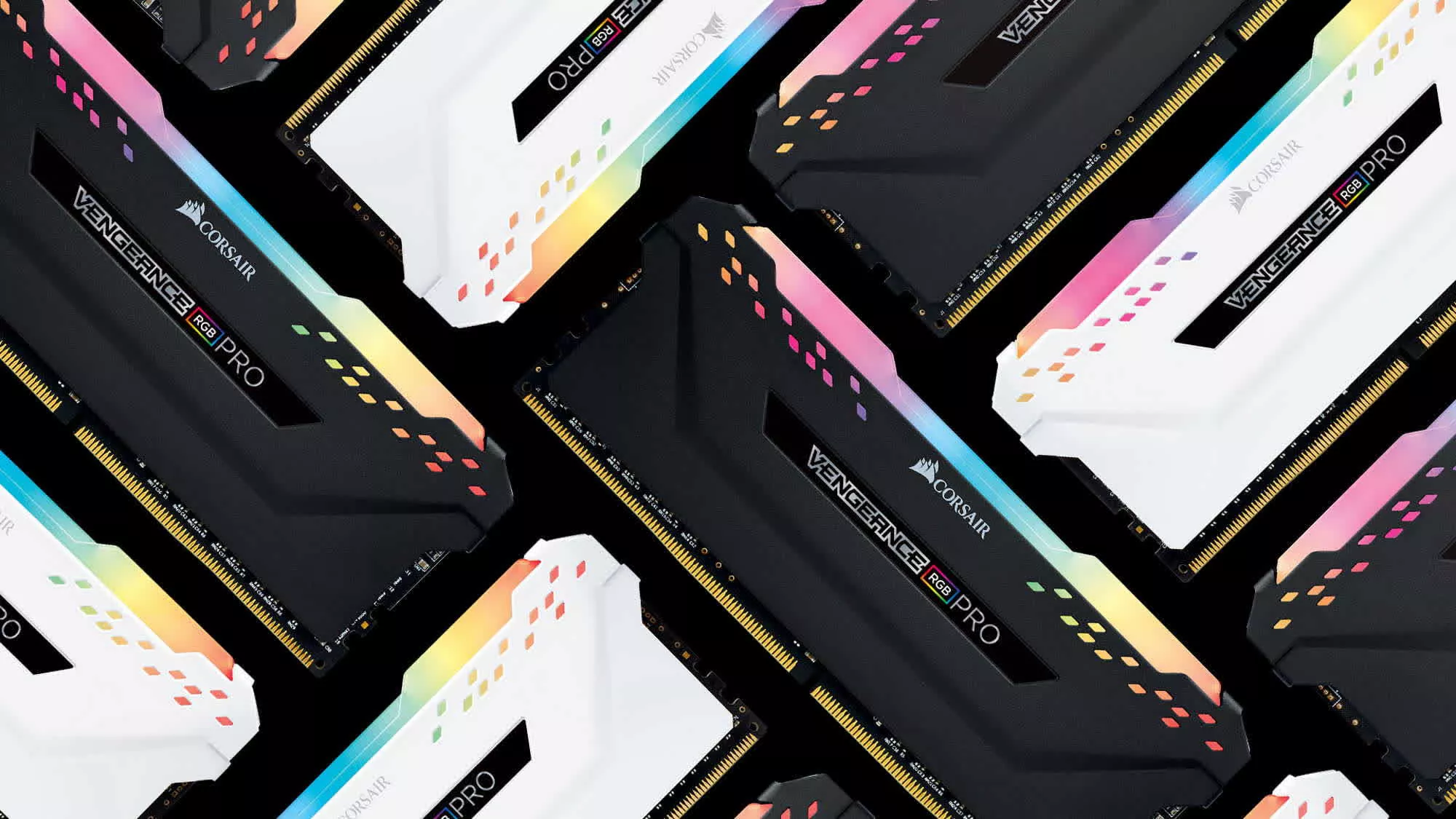
PCs equipped with 32GB and 64GB of RAM are losing ground for the first time in CPU-Z's hardware validation data, suggesting a shift toward lower memory capacities as RAM prices continue to rise.
The latest figures show that 32GB remains the most common configuration, accounting for 37.2% of submitted systems. However, its share has declined by 2.5% compared with the previous year.
The decline is more significant for 64GB configurations, which have fallen by 18% to represent just 7.3% of validations.
Meanwhile, 16GB systems are becoming more common, recording a 12.9% annual increase to reach 33% of submissions.
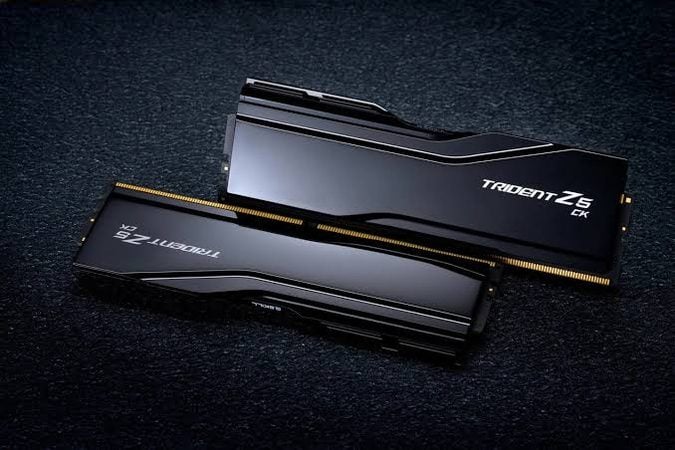
The findings come as memory manufacturers prioritize demand from AI data centers, contributing to higher prices for consumer RAM.
CPU-Z Data Shows Growing Demand for 16GB and 24GB RAM
CPU-Z's online Validator database collects hardware configurations voluntarily submitted by PC owners.
According to developer Samuel Demeulemeester, the latest results show an unusual decline across several higher capacity memory configurations.
Systems with 48GB of RAM experienced a 22.5% decline in share, while 96GB and 128GB configurations recorded decreases of 26.5% and 28.7%, respectively.
However, 24GB configurations moved in the opposite direction, increasing by 19.7% to reach 2.3% of validations.
This suggests that some PC builders may be considering intermediate memory capacities rather than purchasing more expensive 32GB or 64GB kits.
| RAM capacity | Current share | Annual change |
|---|---|---|
| 16GB | 33% | +12.9% |
| 24GB | 2.3% | +19.7% |
| 32GB | 37.2% | -2.5% |
| 48GB | 1.7% | -22.5% |
| 64GB | 7.3% | -18% |
| 96GB | Not specified | -26.5% |
| 128GB | Not specified | -28.7% |
These changes represent relative annual movements in the reported shares.
DDR4 Gains Ground While DDR5 Loses Share
The data also shows growing interest in older DDR4 memory.
DDR4 accounted for 54.5% of CPU-Z validations, representing a 6% annual increase.
Meanwhile, DDR5 declined by 2.9% to account for 32.9% of submissions.
Higher memory prices could be encouraging PC owners to retain existing DDR4 systems rather than upgrade to newer platforms.
Software optimization may also influence memory requirements, with developers working to improve performance on computers with smaller RAM capacities.
However, CPU-Z's results do not represent worldwide PC sales or the complete installed PC market.
Because submissions are voluntary, changes may partly reflect the types of systems being tested rather than actual purchasing trends.
Nevertheless, the figures indicate that larger RAM configurations are becoming less common within CPU-Z's validation database, while 16GB and DDR4 systems are gaining share amid continued pressure on memory prices.



Discussion (0)
Be the first to comment.