



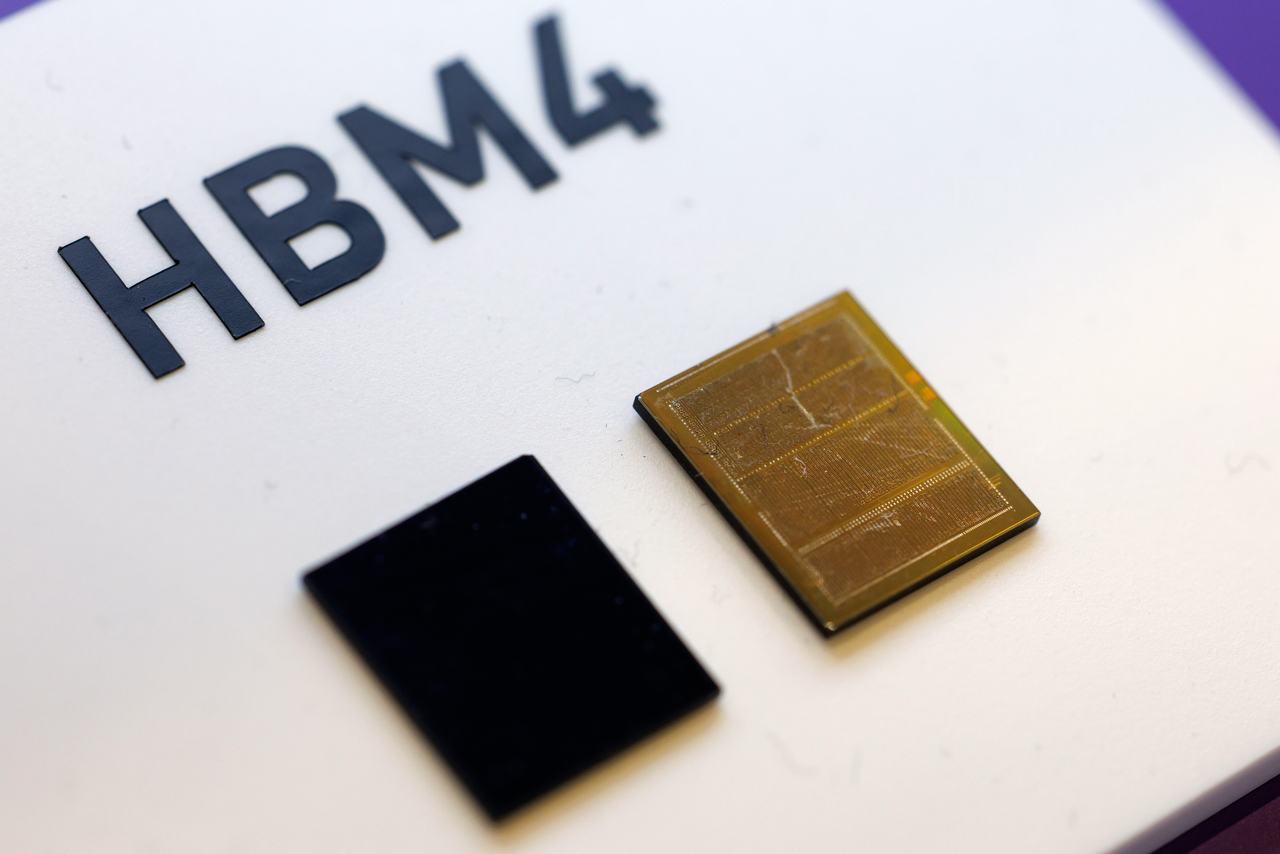
SK Hynix has previewed its upcoming HBM4E memory at Computex 2026, showing how quickly the high bandwidth memory race is moving as AI data centers demand more capacity, more bandwidth, and better efficiency. The new memory design can deliver up to 48GB in a 12 layer stack and push bandwidth as high as 4TB per second.
That is a major step forward because HBM is now one of the most important parts of AI accelerator design. Modern AI GPUs are not only limited by raw compute power. They also need extremely fast memory to keep huge models and datasets moving. As companies build larger AI systems, memory bandwidth and capacity have become just as important as the GPU itself.
HBM4 is already expected to power the next wave of AI chips from Nvidia and AMD, including future data center platforms. But SK Hynix is already looking beyond that with HBM4E, which improves density and speed while keeping the same 48GB capacity in a shorter 12 Hi stack.
HBM4E packs more memory density into fewer layers
The key improvement is die density. SK Hynix’s HBM4E uses 32Gb dies, giving it a 33 percent density increase compared with HBM4. Because of that, a 12 Hi HBM4E stack can reach the same 48GB capacity that previously required a taller 16 Hi HBM4 stack.
That matters because shorter stacks can make packaging and cooling easier. AI accelerators are becoming extremely dense, with multiple compute dies and HBM stacks placed together inside one package. Reducing stack height while keeping capacity high gives chip designers more flexibility.
| Memory type | Capacity | Stack height | Key improvement |
|---|---|---|---|
| HBM3E | Up to 36GB | 12 Hi | Current high end AI memory |
| HBM4 | Up to 48GB | 16 Hi | Higher capacity and bandwidth |
| HBM4E | 48GB | 12 Hi | Higher density and up to 4TB per second bandwidth |
Bandwidth is the other big upgrade. SK Hynix says HBM4E can reach up to 16Gbps pin speeds, helping push total bandwidth to a record 4TB per second. That would be a major improvement for future AI chips, especially those built for large scale training and inference.
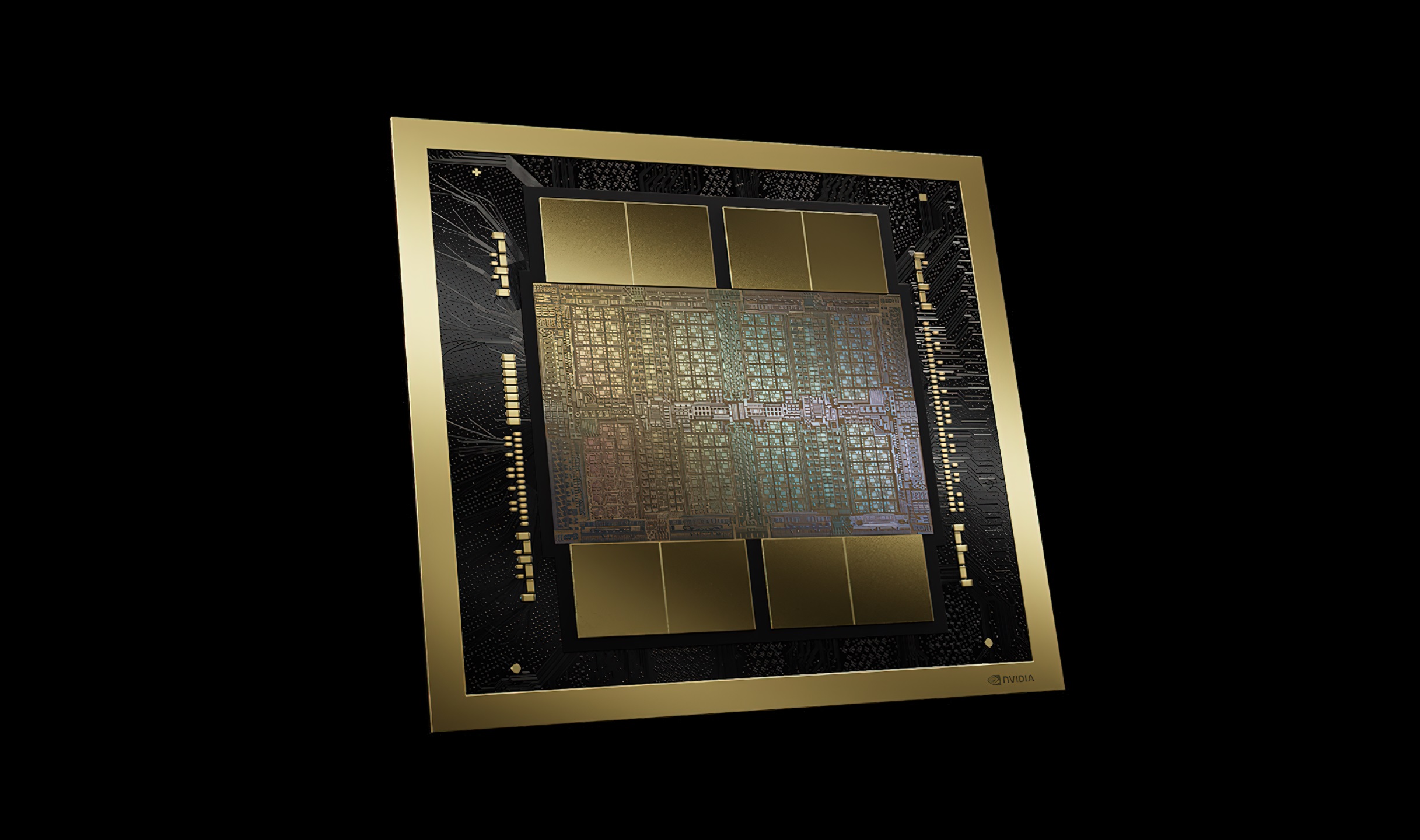
Nvidia’s Rubin Ultra GPUs are expected to be among the first major products to use this type of memory. These future accelerators are expected to pack multiple GPUs and HBM chiplets into dense packages, making memory performance even more important.
SK Hynix also showed its broader memory roadmap at Computex. One interesting technology is AI N B, a stacked NAND concept that uses HBM like through silicon vias to connect multiple NAND dies. The goal is to offer something closer to HBM style throughput while keeping SSD like capacity.
That could become important because AI systems need different types of memory. HBM offers extreme bandwidth but is expensive and limited in capacity. SSDs offer huge capacity but much lower bandwidth. A stacked NAND approach could help fill the gap between those two extremes.
The company also showed client products, including a 96GB LPCAMM2 module based on LPDDR5X. This module can reach up to 9.6Gbps transfer speeds and is aimed at future AI PC platforms. LPCAMM2 is important because it can offer high capacity and strong efficiency in a thinner, more modular form than traditional laptop memory.
SK Hynix also displayed new V9 NAND products in TLC and QLC versions, with up to 2TB storage capacity in compact SSD form factors. These are designed for smaller devices where power efficiency and space matter.
The bigger story is that SK Hynix is trying to strengthen its position across both data center and client memory. HBM4E is the headline product because AI companies are racing for more bandwidth, but the company is also preparing memory and storage for AI PCs, compact systems, and future high capacity devices.
HBM4E will not matter much for normal gaming PCs in the near term. It is built for AI accelerators and data center hardware. But it will shape the future of AI performance because the largest chips will depend on faster and denser memory to scale.
The race between SK Hynix, Samsung, and Micron is now moving quickly. HBM is no longer a background component. It is one of the most valuable parts of the AI hardware stack. With HBM4E, SK Hynix is showing that the next phase will focus not only on more compute, but also on memory that can keep up with it.



Discussion (0)
Be the first to comment.