




Samsung’s chip making business may be getting a boost from the same AI memory wave that is pressuring the rest of the industry. A new report says Samsung Foundry is seeing strong demand for its 4nm process, with orders extending into 2027.
The report says Samsung’s 4nm process has become more stable, which appears to be helping the company win more orders from global customers. That matters because Samsung Foundry has spent years trying to improve trust in its advanced manufacturing after yield concerns on earlier nodes.
Samsung’s 4nm process is reportedly fully booked
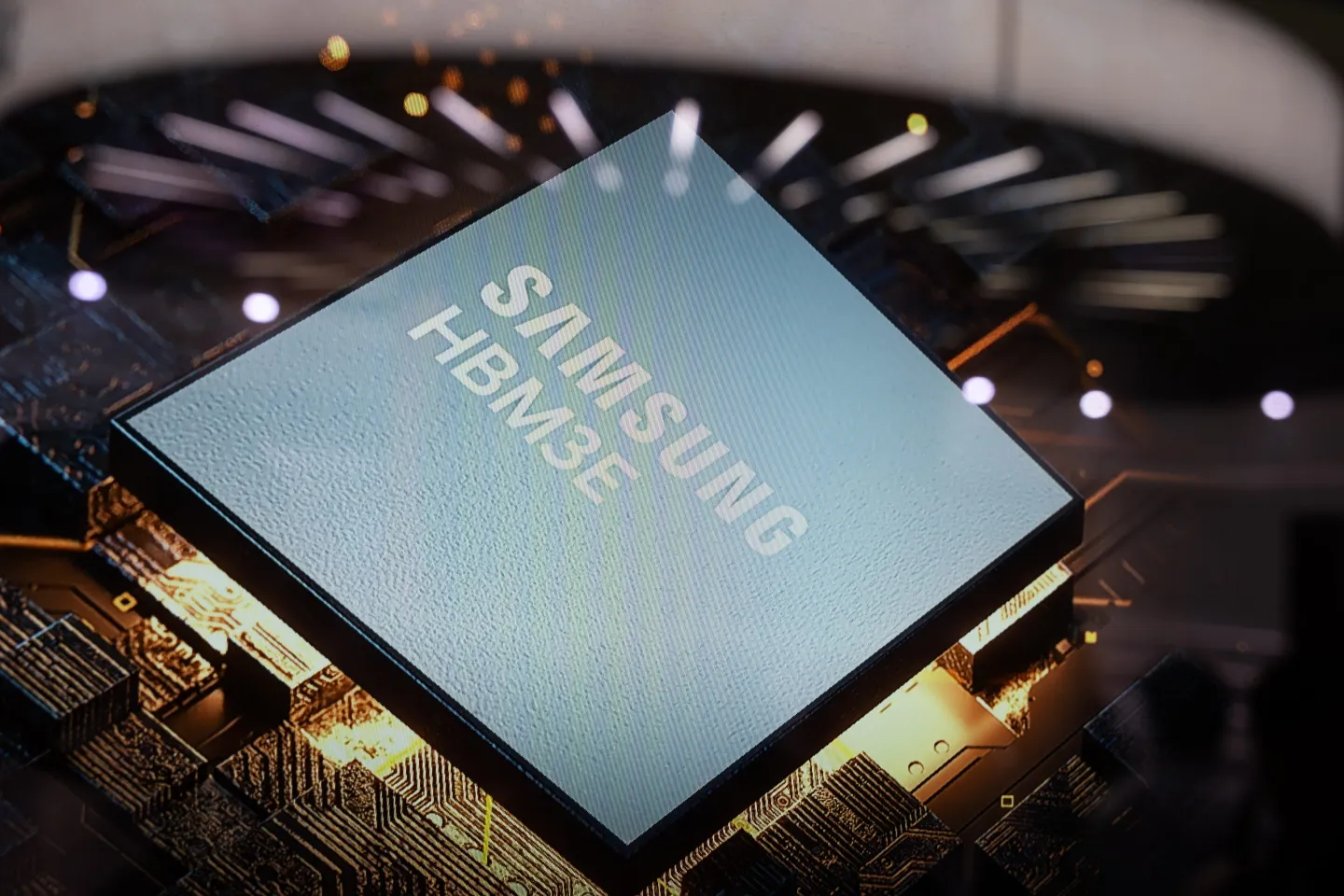
Samsung’s 4nm family, also called SF4, first entered mass production in 2021 and has since received several revisions, including SF4E, SF4P, SF4X, and SF4A. The latest SF4X process is aimed more at high performance computing chips, which makes it relevant for AI and server customers.
The report claims Samsung’s 4nm lines are fully packed, with orders already reaching into next year. A previous report also claimed Samsung’s 4nm yields had reached around 80%, which would help explain the stronger customer interest.
| Area | Reported update |
|---|---|
| Samsung Foundry 4nm | Strong demand and full production lines |
| Order timeline | Extends into 2027 |
| Yield status | Earlier report claimed around 80% yield |
| Key demand driver | HBM4 and AI related chips |
| Profit outlook | Foundry business may turn profitable in the second half of 2026 |
HBM4 appears to be one of the biggest drivers. Samsung’s HBM4 memory uses a 4nm process for its logic die, while the memory itself uses Samsung’s 1c DRAM process. Since demand for AI memory is rising quickly, HBM4 can create more demand for Samsung’s foundry capacity too.
NVIDIA and Google are also mentioned in the report as companies linked to interest in Samsung’s process. That does not guarantee final large scale orders, but it suggests Samsung is at least back in the conversation for major AI and HPC customers.
The financial impact could be important. Samsung Foundry has faced pressure from high investment costs and competition with TSMC. If the new 4nm demand continues, the business could reportedly become profitable as soon as the second half of this year.
There is still one open question: where the orders will be produced. The report says it is unclear whether they will go to Samsung’s Korean fabs or its Taylor, Texas facility. The Texas plant also complicates profitability because construction and setup costs can affect how the business looks financially.
Still, the direction is positive for Samsung. AI memory demand is not only helping memory makers through higher DRAM and HBM sales. It is also helping foundry businesses that make the logic dies and related chips needed for those memory packages.
Samsung still has to prove it can compete consistently at leading edge nodes, especially against TSMC. But if its 4nm process is stable, fully booked, and tied to HBM4 growth, its foundry business may finally get the momentum it has been looking for.



Discussion (0)
Be the first to comment.