



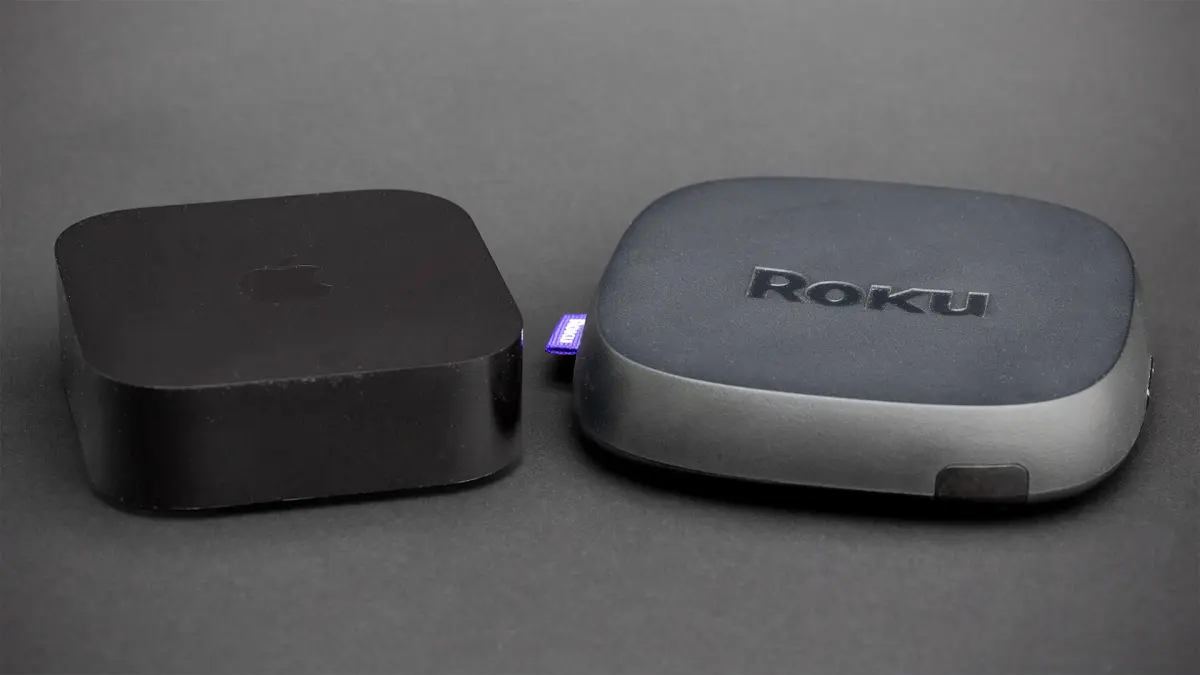
Roku has raised prices across its streaming device range as the global memory shortage begins affecting more consumer electronics beyond PCs, laptops, and smartphones.
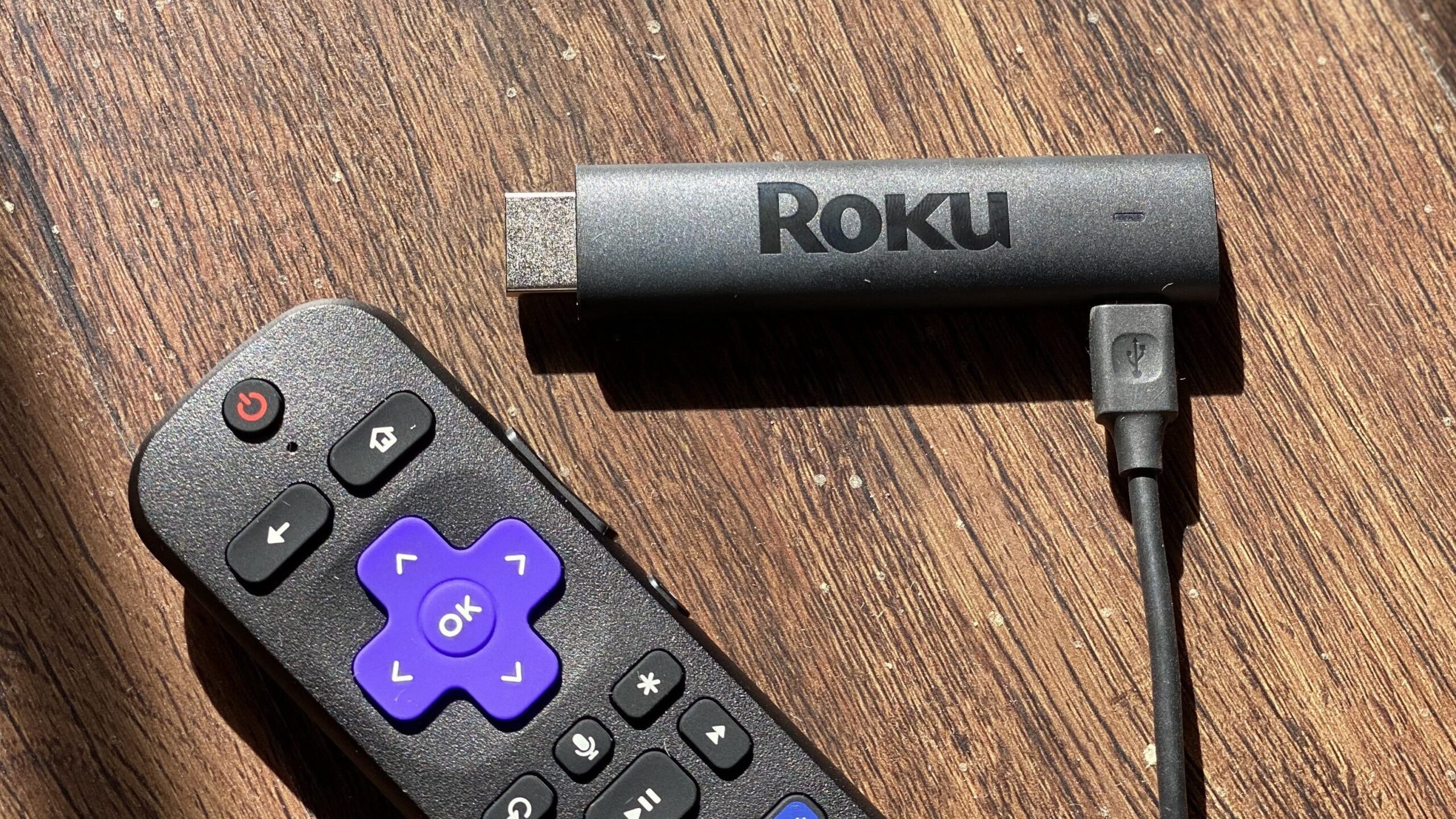
Every major Roku streaming product has received an increase, including the basic Streaming Stick, Streaming Stick Plus, Streaming Stick 4K, Roku Ultra, and Streambar SE. The largest change applies to the Streaming Stick 4K, which has climbed from $49.99 to $79.99.
A Roku executive linked the increases to shortages of computer memory and other components caused by growing demand from artificial intelligence infrastructure. AI data centres require large quantities of memory, storage, and related hardware, creating competition for components also used in affordable consumer devices.
Some Roku products are temporarily available at their previous prices through sales, which may indicate that retailers are clearing inventory manufactured before component costs increased.
New Roku Streaming Device Prices
| Roku product | Previous price | New price | Increase |
|---|---|---|---|
| Roku Streaming Stick | $29.99 | $39.99 | 33% |
| Roku Streaming Stick Plus | $39.99 | $59.99 | 50% |
| Streaming Stick Plus with Fox One bundle | $59.98 | $79.99 | About 33% |
| Roku Streaming Stick 4K | $49.99 | $79.99 | 60% |
| Roku Ultra | $99.99 | $149.99 | 50% |
| Roku Streambar SE | $99.99 | $149.99 | 50% |
The entry level Roku Streaming Stick remains the cheapest option, but its new $39.99 price is $10 higher than before.
The Streaming Stick Plus has increased by $20, while the 4K version has become $30 more expensive. Both the Roku Ultra and Streambar SE have risen by $50.
These increases significantly narrow the gap between Roku’s streaming devices and more expensive alternatives from competing brands.
Streaming Devices Use Less Hardware but Still Need Memory
Streaming devices do not require the same processing power as a gaming PC or premium smartphone. Their main job is to run streaming applications, decode video, display menus, and connect to online services.
Modern Arm based processors can perform these tasks efficiently, even at 4K resolution. However, each device still requires memory, storage, wireless hardware, and other components.
When the cost of those parts rises, manufacturers have limited options. They can absorb the extra expense, reduce profit margins, change product specifications, or pass the cost to customers through higher retail prices.
Roku appears to have chosen the final option across its entire hardware range.
The price changes show how widely the current shortage is spreading. Products with relatively modest memory requirements are no longer protected from the pressure affecting larger computers and data centre hardware.
AI Demand Is Reshaping Component Supply
Artificial intelligence companies and cloud providers are building large data centres equipped with accelerators, servers, storage systems, and substantial amounts of memory.
These customers purchase components in large volumes and often agree to long term supply contracts. Enterprise hardware also offers memory manufacturers higher profit margins than lower cost consumer products.
This encourages suppliers to prioritise data centre demand when production capacity is limited.
| Market pressure | Effect on consumer devices |
|---|---|
| Large AI memory orders | Less supply available for other products |
| Long term enterprise contracts | Production capacity remains reserved |
| Higher data centre profit margins | Consumer components receive lower priority |
| Existing order backlogs | Shortages continue into future periods |
| Slow factory expansion | Supply cannot increase quickly |
| Higher component prices | Finished devices become more expensive |
The shortage has already contributed to rising prices for RAM kits, SSDs, laptops, desktop computers, smartphones, and gaming hardware.
Roku’s increases show that even inexpensive streaming accessories are now affected.
Roku TVs Have Not Clearly Increased Yet
Prices for Roku branded televisions are more difficult to compare because they vary by screen size, retailer, promotion, and display technology.
The panel is usually the most expensive component in a television, so changes in memory pricing may represent a smaller share of the total manufacturing cost than they do in a streaming stick.
Current observations do not show the same clear increase across Roku smart TVs, although that could change if shortages continue.
Manufacturers may also delay television increases while existing inventory remains available or adjust specifications in future models instead.
Current Discounts May Reflect Older Inventory
Several Roku products are reportedly still being sold at their previous prices through temporary promotions.
These offers may involve devices produced using components purchased before the latest cost increases. Once that stock is gone, the higher prices may become more common.
Buyers considering a Roku device should compare current sale prices with the new official figures rather than assuming every discount represents a major saving.
A product advertised at its former standard price may now be presented as a promotion even though it was widely available for the same amount only weeks earlier.
| Product | Price worth watching |
|---|---|
| Roku Streaming Stick | Around $29.99 |
| Streaming Stick Plus | Around $39.99 |
| Streaming Stick 4K | Around $49.99 |
| Roku Ultra | Around $99.99 |
| Streambar SE | Around $99.99 |
Availability will vary, and older stock may sell out quickly if buyers try to avoid the increases.
Higher Prices Make Roku’s Advertising More Difficult to Ignore
Roku became popular partly because its devices offered a cheap and simple way to add streaming services to an older television.
The company’s software has gradually added more advertising, recommendations, and tracking features. Those compromises may have been easier for buyers to accept when the hardware was inexpensive.
At $79.99 for a Streaming Stick 4K or $149.99 for a Roku Ultra, customers may expect a more polished experience with fewer promotions and stronger privacy controls.
The new prices could encourage buyers to compare Roku more closely with devices from Amazon, Google, Apple, and television manufacturers.
Some people also use external streaming devices to avoid slow or heavily advertised software built into smart TVs. Roku’s own growing advertising presence weakens that advantage.
The Memory Shortage Could Keep Prices High
Industry forecasts suggest that memory supply may remain tight through 2027 and possibly into 2028.
New semiconductor factories take years to build and bring into full production. Existing capacity is increasingly directed toward enterprise and AI customers, while backlogged orders continue placing pressure on future supply.
Roku could lower prices again if component costs fall, production improves, or demand weakens. However, the company has not indicated that these increases are temporary.
For now, buyers should expect the new prices to become the normal retail figures once older inventory disappears.
The Roku changes provide another example of how the AI infrastructure boom is affecting everyday technology. A shortage that began by pushing up the cost of high capacity RAM and storage is now reaching simple devices designed to provide an affordable way to stream television.



Discussion (0)
Be the first to comment.