


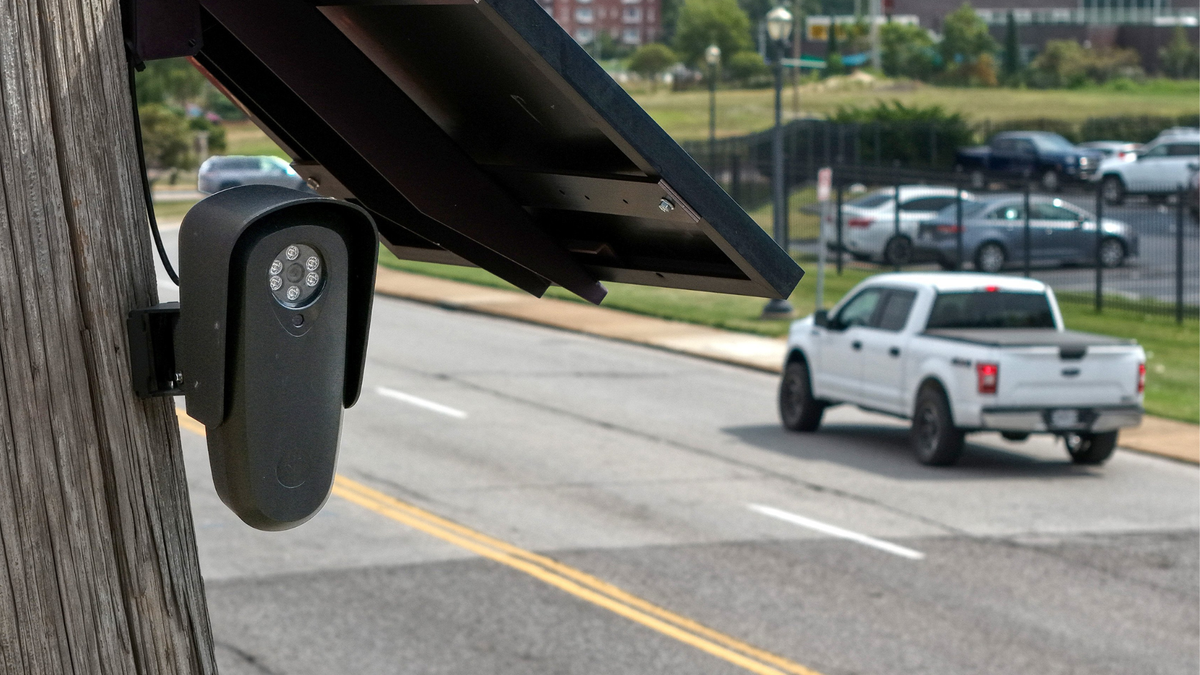
Privacy-focused technology company Proton has started hosting a public map showing more than 300,000 surveillance devices associated with Flock Safety across the United States.
The Swiss company has placed the map on servers in Switzerland after its original creator, cybersecurity researcher Joshua Michael, faced legal threats over publishing the information.
The interactive tool allows people to search for surveillance equipment by ZIP code and examine the locations of automatic license plate readers installed in their communities.
Proton argues that the public should have access to information about surveillance systems operating in public spaces.
Proton Preserves Flock Surveillance Map on Swiss Servers
Joshua Michael originally developed the map using location information obtained from Flock's systems.
In November 2025, he discovered that a publicly accessible authentication token could be used to retrieve information about the company's surveillance equipment.
He reported the issue and subsequently published his research, including an interactive map documenting the network.
The collected information identifies more than 170,000 cameras and over 130,000 additional devices, including supporting hardware.
Following publication, Flock challenged the project through a trademark complaint and a cease and desist letter.
Proton subsequently hosted a copy on its Swiss infrastructure, making the information accessible internationally.
Swiss hosting could complicate attempts to remove the map through American legal demands, although it does not make the project immune from legal proceedings.
Flock Cameras Raise Questions About Public Surveillance
Flock Safety develops automatic license plate recognition technology used by police departments and other organizations.
These cameras record vehicle license plates and identifying information, helping authorities investigate crimes and locate vehicles.
However, privacy advocates have raised concerns about the potential misuse of collected information.
Previous incidents involving inappropriate access to license plate records have increased scrutiny of surveillance systems and their oversight.
The debate concerns how long information should be retained, who can access it, and whether sufficient safeguards exist.
Proton believes publishing camera locations allows residents to make informed decisions and question local authorities about surveillance policies.
Map Provides Historical Data Rather Than Live Camera Locations
The map is based on information collected in late 2025 rather than continuously updated surveillance records.
Consequently, newly installed cameras may be missing, while some listed devices could have been removed.
The database also includes equipment other than cameras, meaning its 300,000 entries should not all be classified as recording devices.
Despite these limitations, the map provides a publicly accessible overview of Flock's surveillance infrastructure and highlights continuing concerns about transparency and personal privacy.



Discussion (0)
Be the first to comment.