



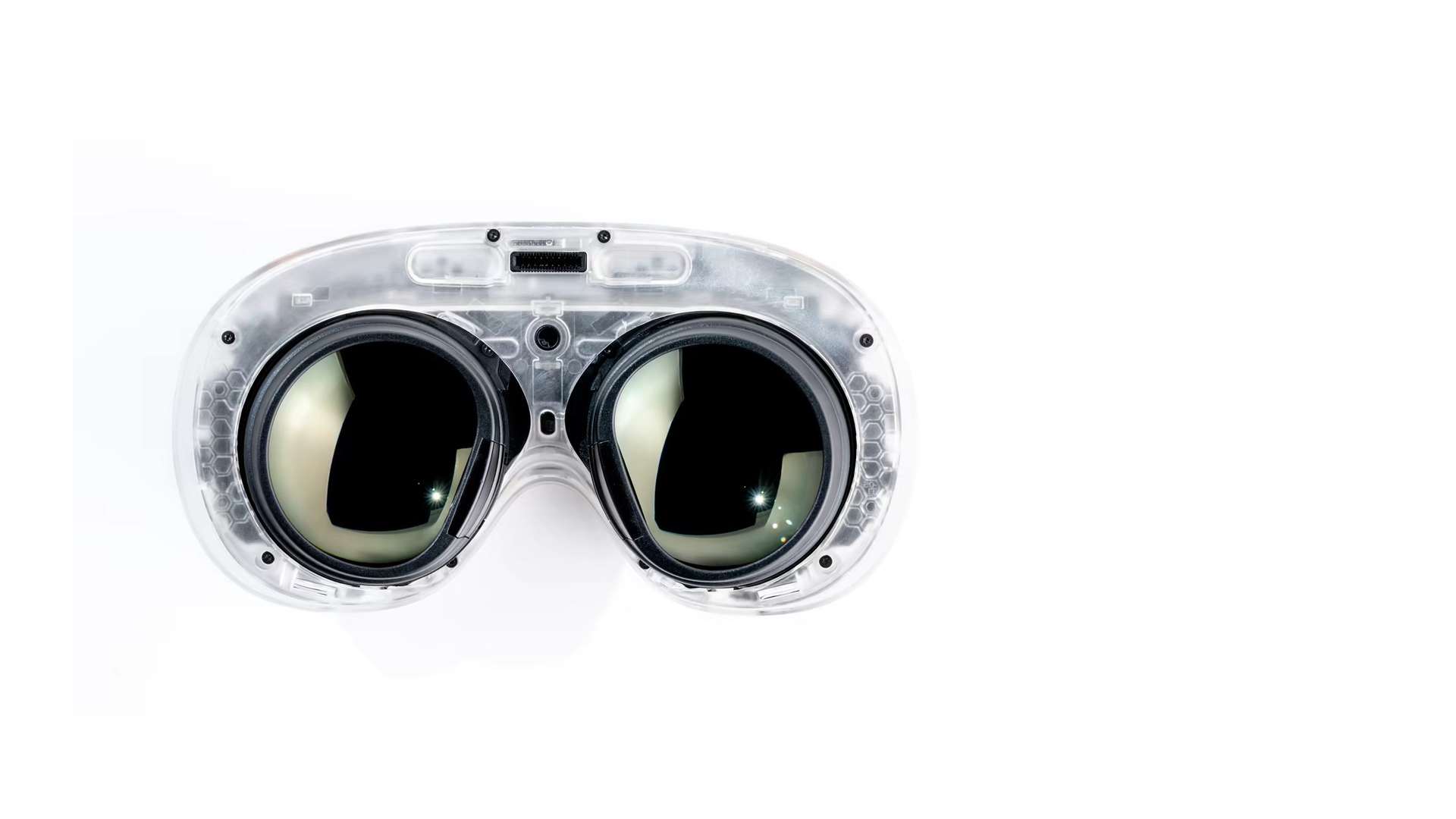
Valve developer Pierre-Loup Griffais said on September 27, 2026 that the FEX code cache is now switched on in the Arm build of Proton Experimental. The post is one sentence long, and the device it lands on is the Steam Frame.
The full wording is that the cache “is now enabled on Proton Experimental (ARM), and should exhibit improved 1%-low frame times, especially over subsequent runs”. That is the entire Valve statement on the change.
Griffais puts no number on the improvement. He names no game, cites no benchmark, and publishes no before-and-after frame times.
The parenthetical is doing real work here. The change is scoped to the Arm build, so the ordinary x86 Proton Experimental branch that picks up per-game fixes every few weeks is not what Valve is talking about.
What a code cache actually caches
FEX is the layer that turns x86 game code into Arm64 instructions. It does that work with a just-in-time compiler, and translating a chunk of code for the first time costs time the game does not have.
The FEX project shipped disk caching in its September 7, 2026 release. Its own description is that generated code “is cached to the disk in a FOZ file format database”, and that FEX then looks code up there “before going through the work of actually jitting”.
The project says the lookup happens during the first run as well as later ones, “to reduce JIT stutter when running games”. That is why Griffais frames the benefit as 1% lows rather than average frame rate.
Average frame rate is not where translation cost usually shows up. It shows up as the hitch when a game walks into a new area and FEX meets code it has never seen.
Why this is a Steam Frame story
Valve's own developer documentation says the headset “natively runs a Snapdragon 8 Gen 3 (Arm64) chip on SteamOS”. The same compatibility page tells developers that for most of them, shipping to the Frame “probably means running Windows x86 via Proton and FEX”.
So the Arm build of Proton Experimental exists for this hardware. A standalone Windows game on a Steam Frame that launched at $1,059 is running through exactly the path Valve just changed.
Valve was already describing FEX as something that “leverages code caching to minimize in-game stuttering as much as possible” in that documentation. The Experimental change turns that description into something owners can switch on.
This is not a SteamOS update, and it is opt-in twice over
Proton Experimental is a separate compatibility tool on Steam, listed apart from the numbered Proton releases on Valve's changelog. It is not the version a game picks by default, so it has to be selected deliberately.
That makes this different from the headset's system updates. Valve's SteamOS release notes for the Frame since the headset's first SteamOS update cover streaming reliability, battery life, dashboard behaviour and controller bindings.
None of them mention FEX, Proton or the code cache. Valve ships SteamOS and Proton on separate tracks, and this one arrived on the Proton track.
What Valve has not said
Valve's published Proton Experimental changelog does not carry this item. The current section lists FEX among components “updated to the latest development versions” and says nothing about a code cache, stutter or the Frame.
The FEX project is also candid about the feature's rough edges. It says the cache has no size limit, no way to remove stale entries, and cases where “the cache doesn't get invalidated” when file contents change.
Valve has not commented on any of that for the Frame, and has not said where the cache lives on the headset or how to clear it. There is also no word on whether the cache graduates to a numbered Proton release. Until Valve publishes a figure, “improved 1%-low frame times” is a forward-looking claim from one developer, not a measured result.


Discussion (0)
Be the first to comment.