



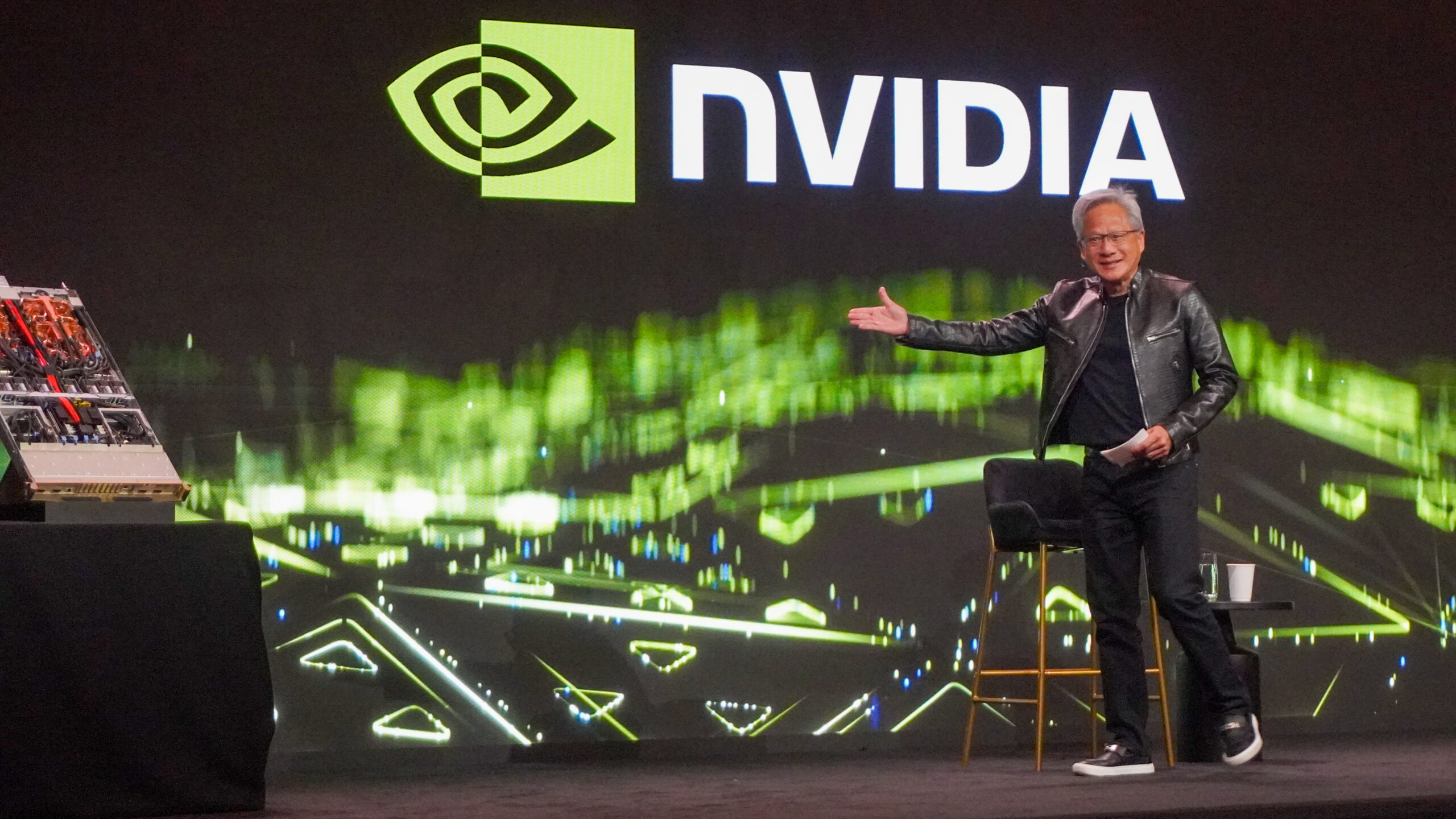
Nvidia may use Computex 2026 to show how its Vera CPUs can compete with traditional x86 chips from Intel and AMD in the next phase of AI computing. Analysts from GF Securities expect Nvidia to highlight the Vera Rubin platform during the Taiwan trade show, with claims that Vera CPUs can deliver up to 1.5 times the computing performance of rival x86 processors.
The expected reveal comes as the AI industry pays more attention to CPUs again. GPUs still remain central to large AI clusters, but agentic AI workloads could increase the importance of CPUs inside data centers. That shift has raised questions about whether future AI systems will need a different balance between CPUs and GPUs, especially as inference workloads grow.
Nvidia could use Vera to show that Arm based CPUs have a bigger role in AI servers
GF Securities believes Nvidia will focus on the advantages of its Arm based Vera CPUs at Computex. According to the analysts, Nvidia may claim Vera can offer 1.5 times faster performance, 2 times overall performance, and 4 times higher rack density compared with competing x86 chips from Intel and AMD. These figures have not yet been confirmed in a public Computex announcement, so they should be treated as analyst expectations for now.
The analysts also expect strong shipment growth if Vera adoption takes off. Their forecast suggests Nvidia could ship 1.2 million CPU units in fiscal year 2027 and 4.2 million units in fiscal year 2028. That would be a major step for a company best known for GPUs, and it would place Nvidia more directly into a market long dominated by Intel and AMD.
| Area | GF Securities expectation |
|---|---|
| Main Nvidia focus | Vera Rubin CPUs |
| Claimed CPU advantage | Up to 1.5 times faster than x86 rivals |
| Overall performance claim | Up to 2 times higher |
| Rack density claim | Up to 4 times higher |
| FY2027 CPU shipment forecast | 1.2 million units |
| FY2028 CPU shipment forecast | 4.2 million units |
| Main AI trend | Agentic AI increasing CPU demand |
The bigger reason this matters is the growth of agentic AI. These systems need to plan, execute tasks, manage context, call tools, and handle more complex inference workflows. GF Securities expects agentic AI to account for 30 percent of future inference computing. If that happens, the total addressable market for server CPUs could reach $211 billion by 2030. The analysts also expect CPU demand to rise from 3.7 million units in 2026 to 16.3 million units in 2028.
Intel is expected to take a different route at Computex. GF Securities believes Intel will focus on Wildcat Lake chips, which are expected to target entry level laptops and compete against Apple’s MacBook Neo systems. That would give Intel a more consumer focused message, while Nvidia leans into server CPUs and AI infrastructure.
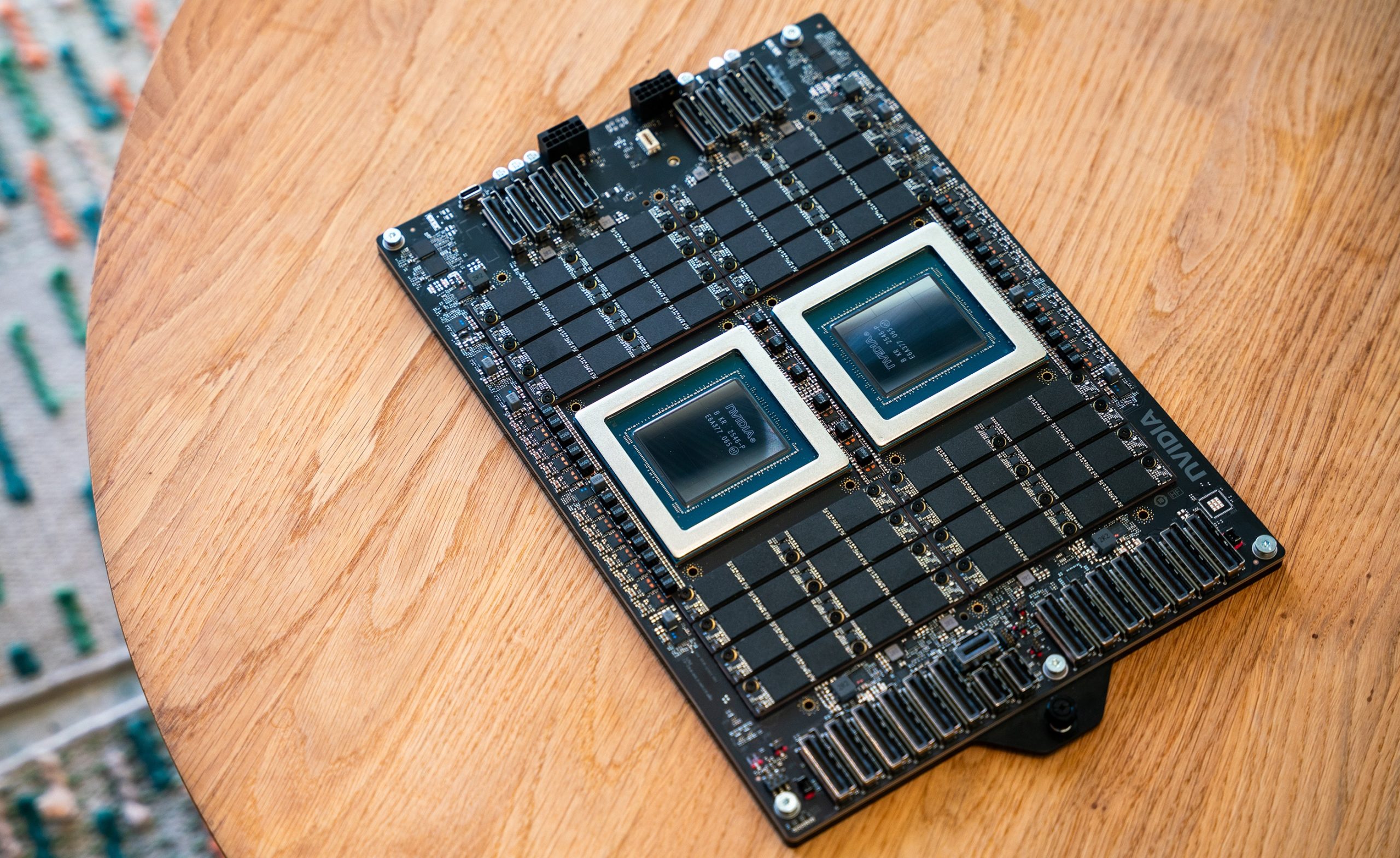
The contrast shows how differently both companies are approaching the next stage of computing. Intel is trying to protect and refresh its PC business, while Nvidia is expanding beyond GPUs into CPUs built for AI systems. If Vera performs as analysts expect, Nvidia could become a stronger full platform provider for data centers rather than only the company supplying accelerators.
For now, these are analyst predictions ahead of Computex, not final product claims from Nvidia. Still, the direction is clear. Nvidia wants a larger role in AI infrastructure, and Vera could become one of the most important pieces of that plan if CPUs become more valuable in agentic AI workloads.

Discussion (0)
Be the first to comment.