



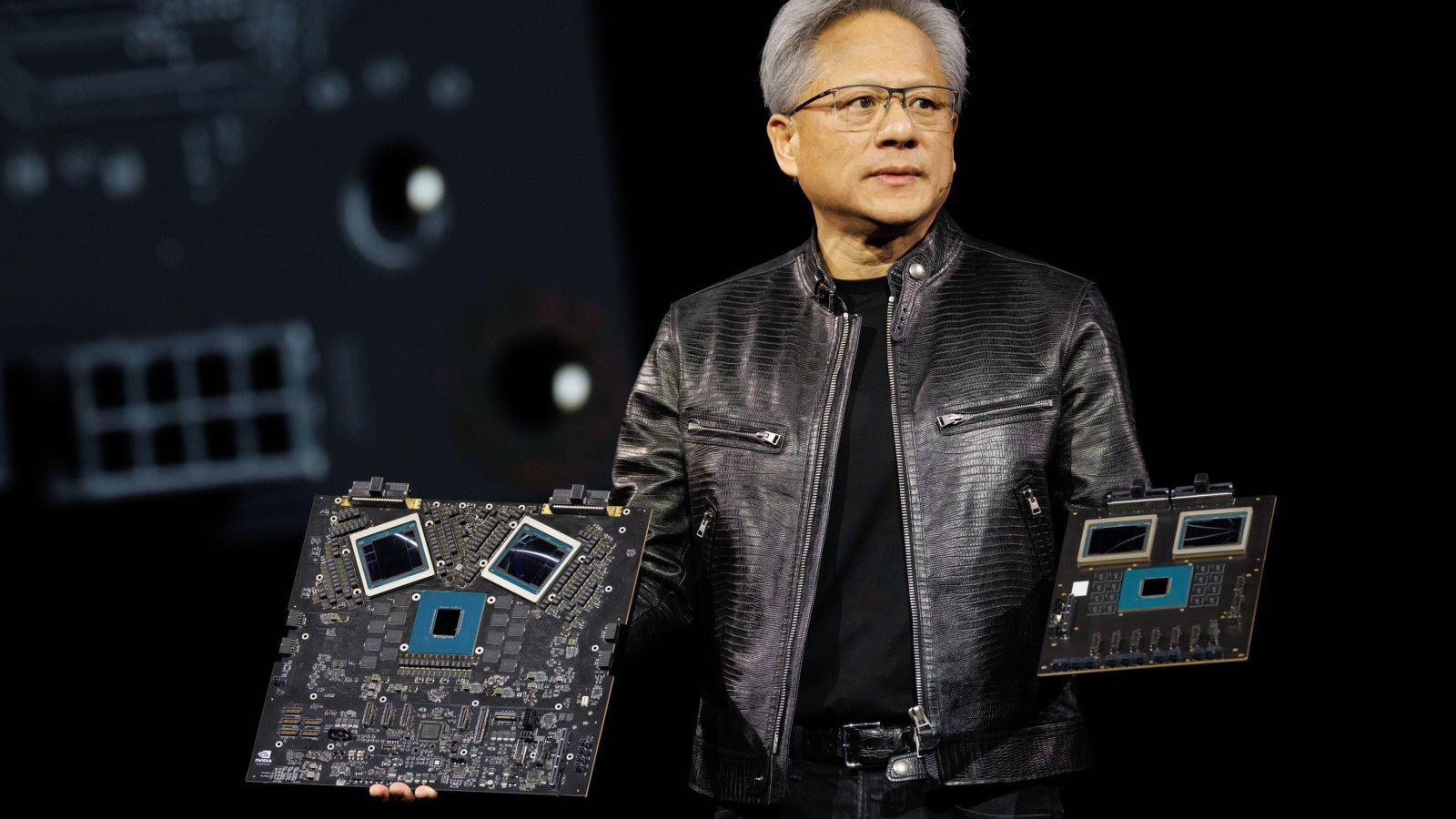
Intel may get an important opening in the AI chip supply chain if NVIDIA uses its EMIB T packaging technology for a future Rubin Ultra GPU variant. A UBS note suggests that a possible four chip version of NVIDIA’s Rubin Ultra could rely on Intel’s advanced packaging, giving Intel a larger role in high end AI hardware.
The report does not confirm that NVIDIA has selected Intel. It points to a possible path where Intel’s EMIB T technology becomes useful for larger, more complex AI chips. That matters because advanced packaging has become one of the biggest bottlenecks in the AI boom, especially as companies try to build more powerful processors with multiple chiplets and high bandwidth memory.
Intel’s EMIB packaging works differently from traditional interposer based approaches. It uses embedded bridges and organic substrates to connect chip dies, which can reduce some size limits linked to full silicon interposers. For large AI accelerators, that flexibility could be valuable because future chips are expected to keep growing in complexity.
UBS says NVIDIA’s gross margins through calendar 2027 could stay around the 75 percent range, helped by the Rubin generation. The longer term picture may depend partly on whether NVIDIA offers both two chip and four chip Rubin Ultra versions. The four chip version is the one UBS links to Intel’s EMIB T packaging.
| Topic | Key detail |
|---|---|
| Company potentially using EMIB T | NVIDIA |
| Product mentioned | Rubin Ultra |
| Possible variant | Four chip version |
| Intel technology | EMIB T packaging |
| Why it matters | Could give Intel a role in NVIDIA’s AI supply chain |
| UBS view | NVIDIA margins may depend partly on Rubin Ultra chip options |
| Main uncertainty | NVIDIA has not confirmed the use of Intel packaging |
This would be a meaningful win for Intel if it happens. The company has been trying to position itself as a stronger foundry and packaging partner at a time when TSMC dominates advanced AI chip production and CoWoS packaging. Winning work tied to NVIDIA’s Rubin generation would help Intel prove that its packaging technology can serve top tier AI customers.
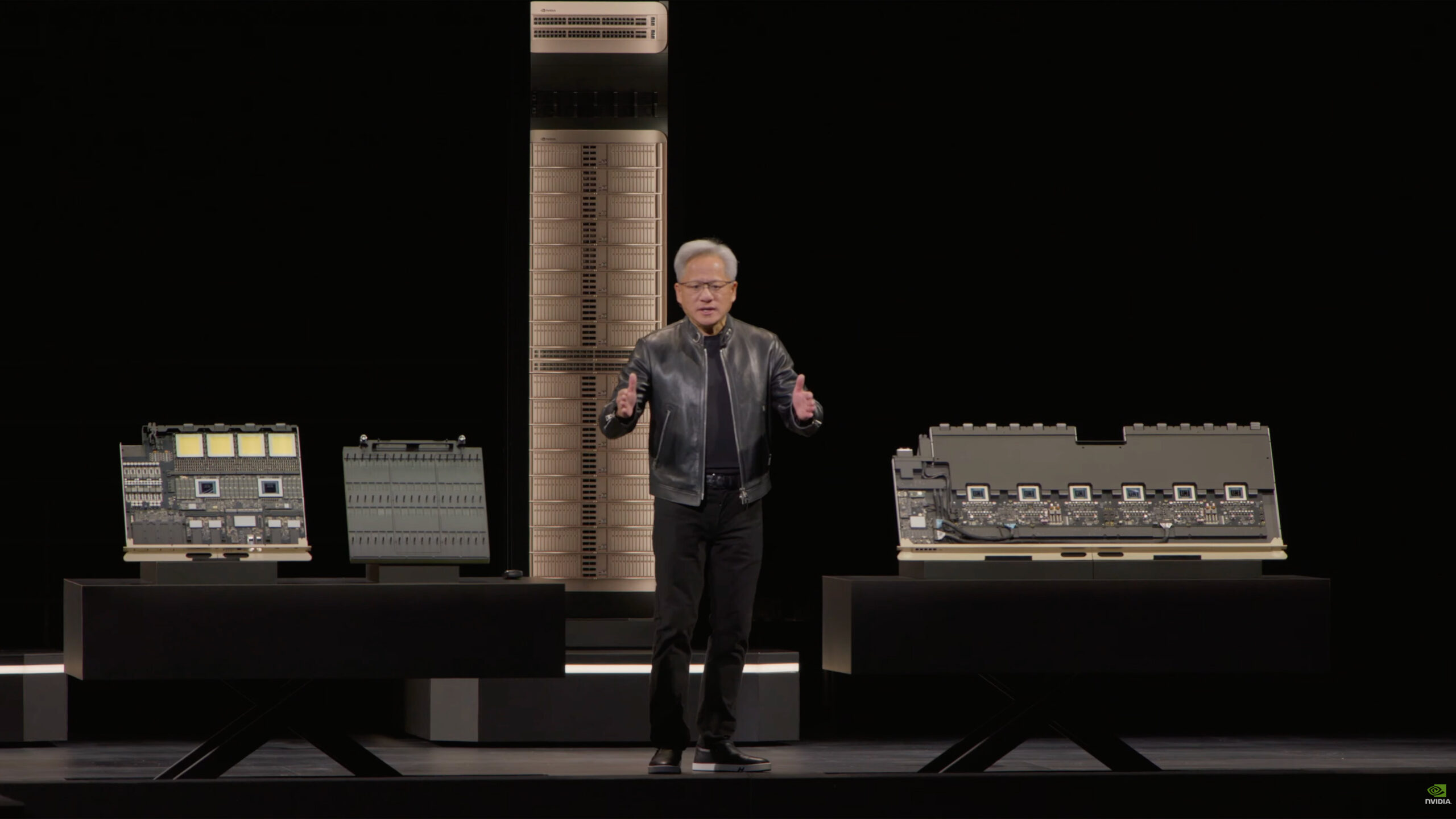
There are still big limits to consider. EMIB T needs a mature substrate supply chain to scale properly. Analysts have already warned that ABF substrate availability and production capacity could affect whether Intel’s packaging can meet the demands of large AI chip orders. In other words, the technology may be promising, but volume production is still the real test.
NVIDIA is not the only company reportedly looking at Intel’s EMIB T. Google has also been linked to the technology for future TPU packaging, depending on yield and scalability. That shows interest is growing, but it does not guarantee mass adoption.
For Intel, the opportunity is clear. AI chipmakers need more packaging capacity and more design options as chips become larger and more expensive to build. If Intel can deliver EMIB T at scale, it could become a useful alternative or supplement to TSMC’s packaging ecosystem.
For now, this remains an analyst view rather than a confirmed NVIDIA plan. Still, the possibility alone shows why advanced packaging is becoming as important as chip manufacturing itself in the AI hardware race.


Discussion (0)
Be the first to comment.