



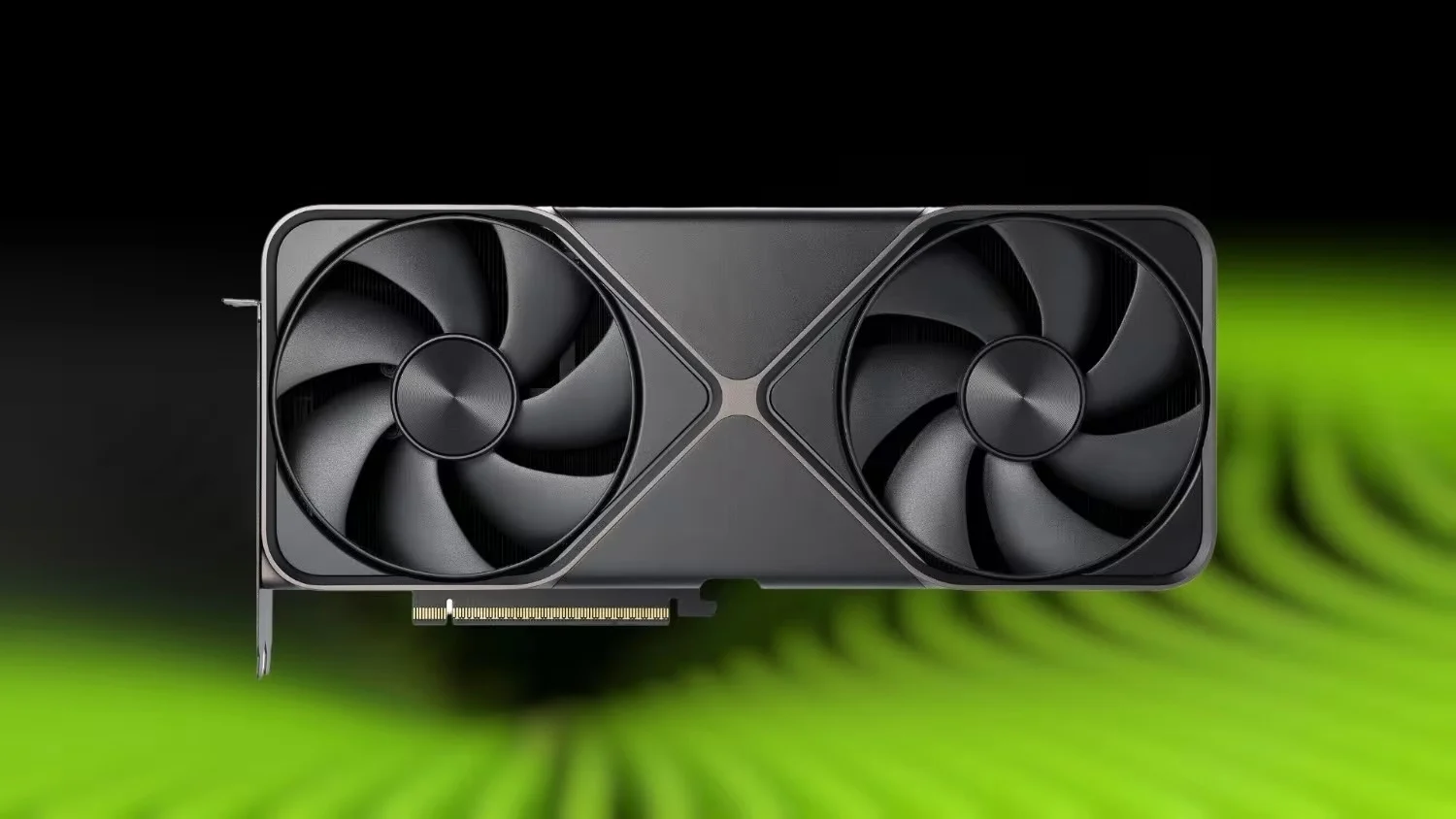
The next major generation of gaming graphics cards from NVIDIA and AMD may arrive later than many PC gamers expected. A new rumor claims that most NVIDIA GeForce Rubin GPUs and AMD RDNA 5 desktop graphics cards are currently planned for 2028 rather than 2027.
The information remains unconfirmed, and neither NVIDIA nor AMD has announced launch dates for these gaming architectures. The reported schedule could also change before products enter mass production.
According to the latest claim, AMD's AT2 GPU may be the only major new discrete graphics processor from the company expected during 2027. Other RDNA 5 products, including the larger AT0 design and additional variants, are reportedly planned for 2028.
NVIDIA's next GeForce generation is also said to be targeting 2028.
Most next generation gaming GPUs may skip 2027
If the reported schedule is accurate, 2027 could be an unusually quiet year for major discrete GPU launches.
| Company | 2026 | Reported 2027 plans | Reported 2028 plans |
|---|---|---|---|
| AMD | No major new discrete generation | AT2 potentially launches | AT0 and other RDNA 5 GPUs |
| NVIDIA | Existing GeForce RTX 50 family | No confirmed major generation | Rubin based GeForce lineup |
| Intel | BMG G31 | Possible Xe3P products | Unknown |
AMD's upcoming graphics architecture has already appeared in software development under the GFX13 designation, commonly associated with RDNA 5.
Several possible GPU configurations have also appeared in previous rumors, including AT0, AT2, AT3, and AT4.
The largest AT0 design has previously been linked with a 512 bit memory interface and a substantially larger graphics configuration, although AMD has not confirmed those specifications.
The latest rumor suggests AT2 could arrive ahead of the rest of the family.
That would allow AMD to introduce at least one new discrete GPU during 2027 while leaving much of its next generation range for the following year.
NVIDIA Rubin gaming GPUs could also wait until 2028
NVIDIA's next gaming architecture is widely expected to use Rubin based silicon identified through reported GR20x GPU names.
Possible models have been associated with identifiers including GR202, GR203, GR205, GR206, and GR207, following a hierarchy similar to previous GeForce generations.
Final specifications remain unknown.
The latest claim places these GPUs in 2028, potentially creating a longer gap between the current GeForce RTX 50 generation and its full successor than some earlier expectations suggested.
That does not necessarily mean NVIDIA will have no graphics releases before then.
One possibility is an updated RTX 50 SUPER lineup. Reports surrounding those cards have been inconsistent, however. Some rumors suggest certain models could still launch, while others indicate the refresh may have been delayed or cancelled.
A refresh would give NVIDIA a way to extend the life of its current architecture if Rubin gaming products are indeed still more than a year away.
Development does not mean launch is close
Both companies are already working on future graphics technologies, so a 2028 launch would not mean development has stopped.
New GPU architectures require years of design work, software preparation, validation, board development, and manufacturing planning.
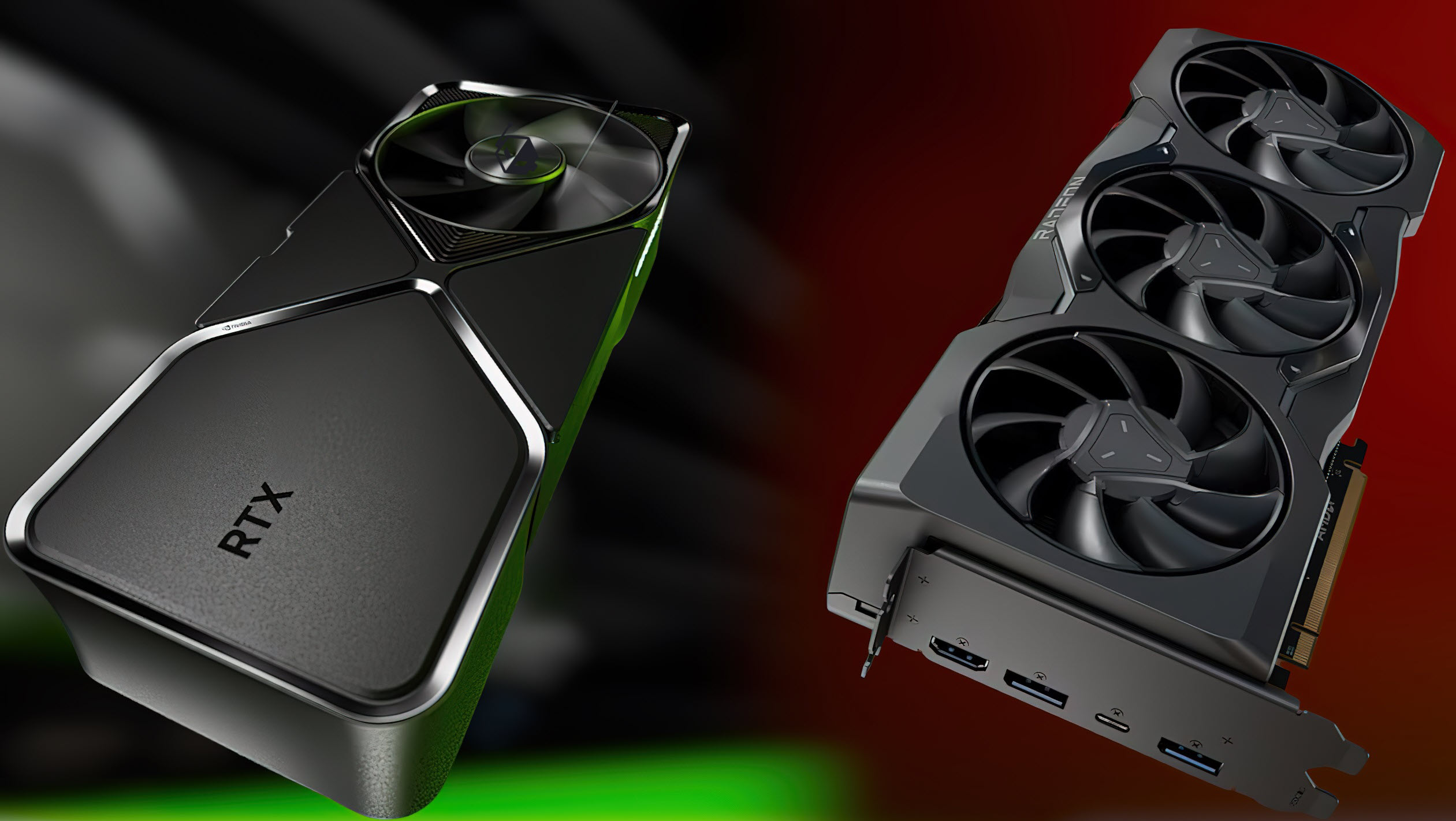
Architecture references appearing in drivers or development tools can therefore arrive long before retail products.
There is also currently little evidence of broad board partner development for these next generation gaming cards.
That makes specific release timing difficult to establish.
GPU schedules can still change
Graphics card roadmaps are especially sensitive to manufacturing capacity, memory supply, product inventory, competition, and pricing conditions.
A company can delay a planned generation if existing products remain competitive or if producing new chips becomes commercially difficult.
Individual models can also move between generations or launch windows.
For that reason, the reported 2028 timetable should currently be treated as an early roadmap claim rather than a confirmed launch schedule.
If it proves accurate, PC gamers may spend much of 2027 with refreshed versions of existing graphics architectures rather than completely new flagship generations from NVIDIA and AMD.
AMD's reported AT2 GPU could be the main exception, while the broader RDNA 5 family and NVIDIA's Rubin based GeForce cards would follow in 2028.



Discussion (0)
Be the first to comment.