



Nvidia has introduced RTX Mega Geometry 2.0, a new version of its ray tracing geometry technology that can stream geometric data into VRAM as it is needed instead of keeping the full scene resident in memory.
The company has demonstrated the system with a path traced sample scene containing 1.6 billion triangles while dedicating only about 2GB of VRAM to geometry.
The approach is described as taking inspiration from technologies such as Unreal Engine's Nanite, with the system reducing geometric detail when necessary rather than allowing geometry to disappear entirely when memory limits are reached.
| Detail | RTX Mega Geometry 2.0 |
|---|---|
| Main purpose | Manage large ray traced scenes more efficiently |
| Geometry handling | Streams geometry into VRAM on demand |
| Demonstrated scene size | 1.6 billion triangles |
| VRAM dedicated to geometry | About 2GB |
| Rendering example | Path traced scene |
| Design approach | Reduces detail when needed |
| Inspiration mentioned | Nanite style geometry management |
RTX Mega Geometry 2.0 targets massive ray traced scenes
Modern ray traced games can require large amounts of geometry data to remain available to the GPU.
That becomes increasingly difficult as environments grow more detailed and developers add more objects, higher polygon counts, and complex path traced lighting.
RTX Mega Geometry 2.0 is designed to address that problem by changing how geometric information is stored and accessed.
Rather than requiring every piece of geometry to remain in VRAM at the same time, the system can bring data into graphics memory when it is required.
This potentially allows developers to work with much larger scenes without increasing geometry memory requirements at the same rate.
Nvidia demonstrates 1.6 billion triangles with 2GB of geometry memory
The most notable figure in the supplied material is Nvidia's demonstration of a scene containing 1.6 billion triangles.
Despite that extremely high triangle count, only around 2GB of VRAM was dedicated to geometry.
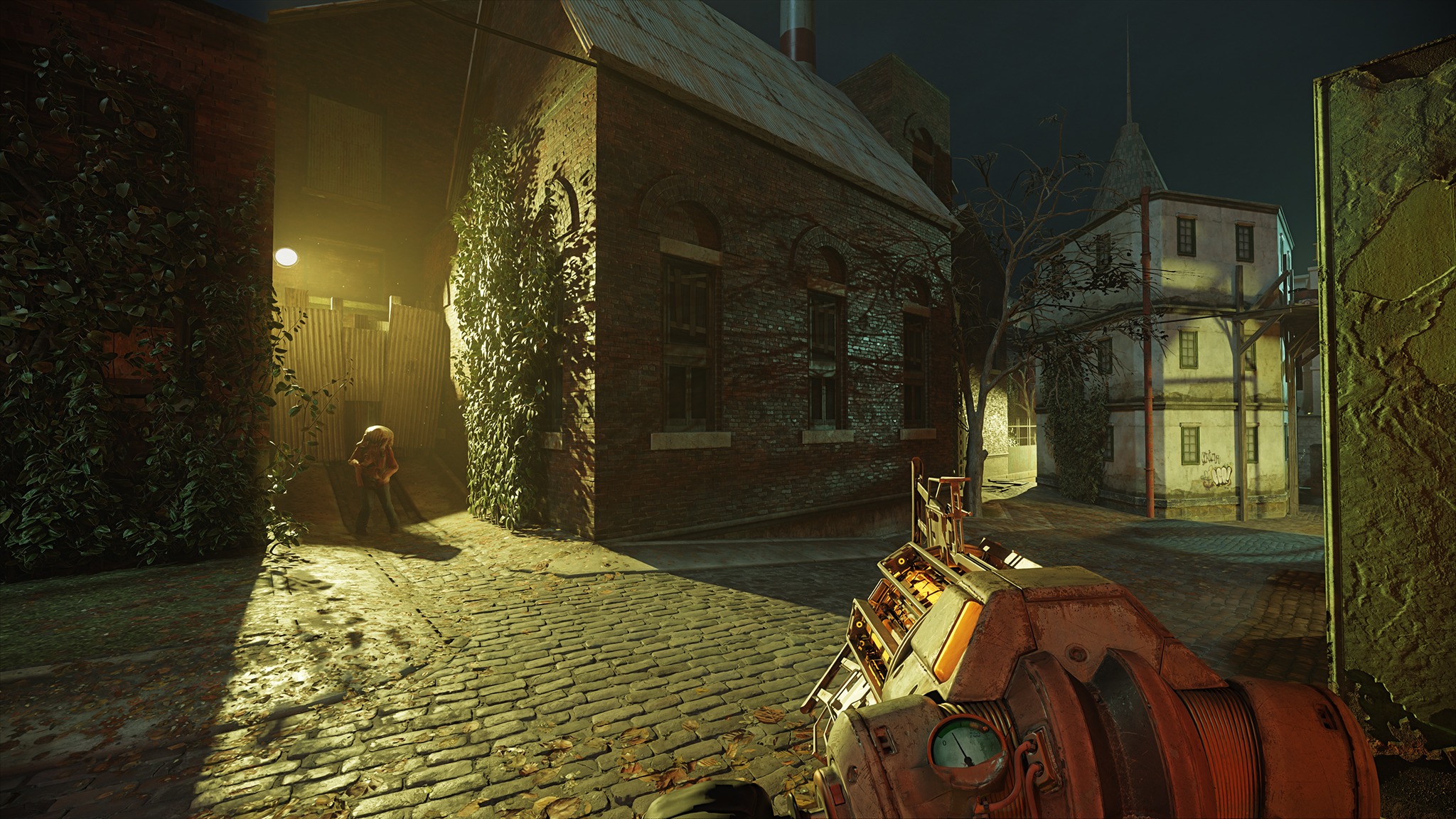
The demonstration uses Nvidia's Zorah sample scene and is rendered with path tracing.
The supplied source does not provide additional benchmark figures, frame rates, GPU models, resolutions, or comparisons with the original Mega Geometry technology.
It therefore remains unclear how much performance overhead the new streaming system introduces in practice.
Geometry can lose detail instead of disappearing
A key part of the design is how RTX Mega Geometry 2.0 responds when not all geometric information can remain resident in memory.
The technology is described as dropping detail rather than dropping geometry completely.
That means distant or less important objects could potentially be represented at a lower level of geometric complexity while remaining visible in the scene.
This type of approach is conceptually similar to virtualized geometry systems that continuously adjust detail according to what the renderer currently needs.
The supplied material specifically compares the idea with Nanite, although it does not provide enough technical detail to establish how closely the two implementations operate.
Streaming could reduce pressure on VRAM
Ray tracing places additional demands on graphics memory because the GPU needs access to scene geometry for acceleration structures and intersection calculations.
As triangle counts increase, those requirements can become substantial.
Streaming geometry on demand provides one possible way to limit how much of that data must remain in VRAM simultaneously.
The 2GB figure from Nvidia's 1.6 billion triangle example suggests the company is targeting a substantial reduction in persistent geometry memory usage.
However, the supplied source does not state how much memory the same scene would require without Mega Geometry 2.0, so a direct percentage reduction cannot be calculated from the available information.
Path tracing makes geometry management increasingly important
The technology is particularly relevant as Nvidia continues expanding its path tracing tools.
Path traced scenes can include large quantities of geometric information while also placing heavy demands on lighting, materials, acceleration structures, and texture memory.
More efficient geometry management could allow developers to increase environmental complexity without dedicating an equally large amount of VRAM solely to mesh data.
That could become increasingly useful in games and technical demonstrations built around highly detailed environments.
Important performance details remain unknown
The visible source provides only the headline and a short description, so several important questions remain unanswered.
There are no confirmed performance comparisons, supported GPU lists, developer integration requirements, release dates, or details about whether RTX Mega Geometry 2.0 will be limited to specific RTX generations.
The available information does confirm the central idea: Nvidia's RTX Mega Geometry 2.0 can stream ray tracing geometry into VRAM on demand, and the company's sample demonstrates a 1.6 billion triangle scene while allocating roughly 2GB of memory to geometry.
More detailed testing will be needed to show how that translates into real game performance and VRAM savings.



Discussion (0)
Be the first to comment.