


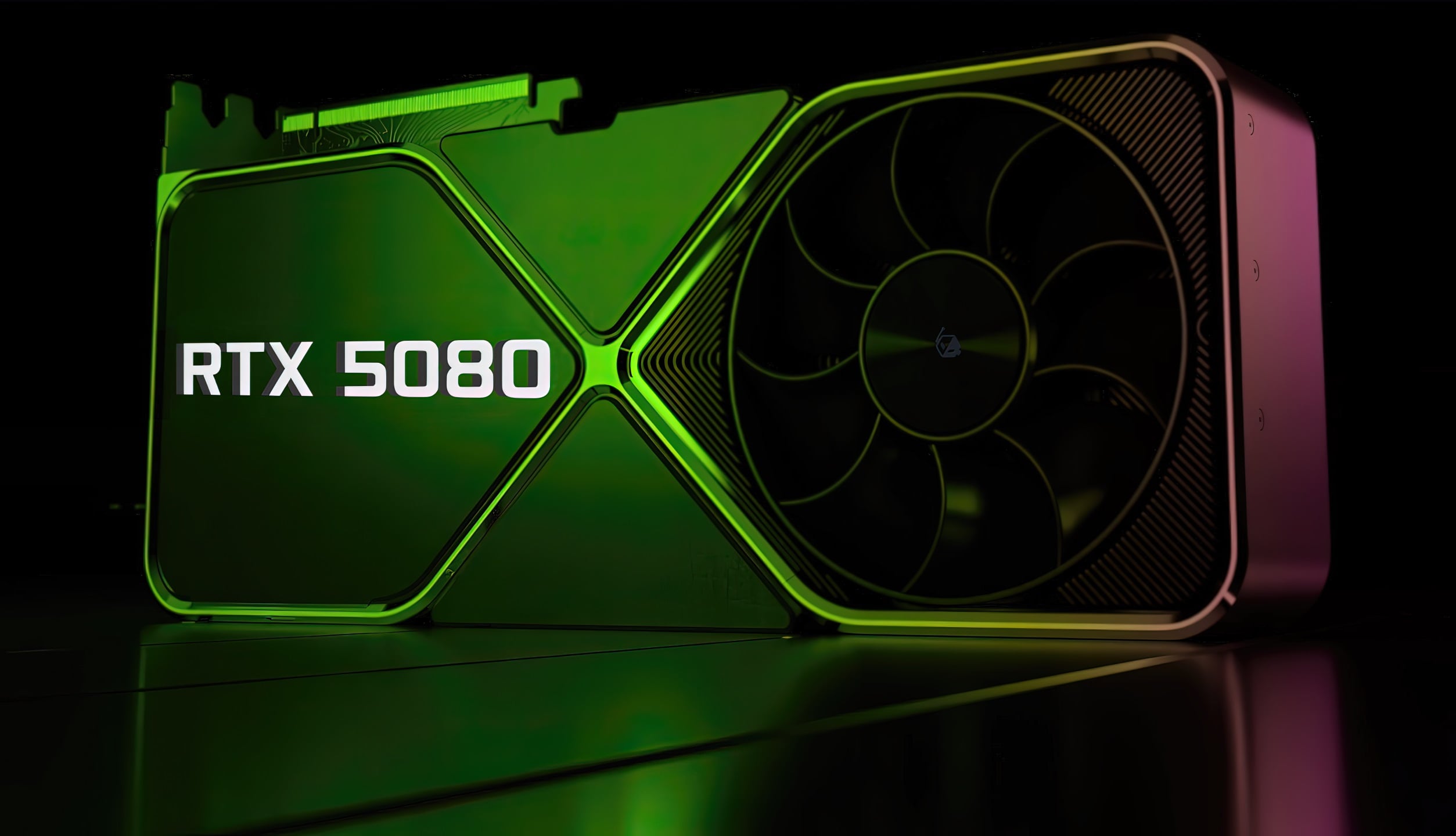
Graphics card prices have continued rising in November 2026, with several NVIDIA GeForce RTX 50 series and AMD Radeon RX 9000 series models now selling substantially above their original launch prices.
The latest US retail listings show NVIDIA's GeForce RTX 5080 available for approximately $2,250, more than double its original $999 recommended price. Meanwhile, the RTX 5070 Ti has reached $1,500, while the RTX 5070 is selling for around $899.
AMD graphics cards are also becoming more expensive, although some Radeon models remain comparatively affordable.
The price increases come as the global memory shortage continues affecting graphics card production costs and availability.
Even Intel's affordable Arc graphics cards have experienced stock shortages, leaving PC gamers with fewer options at reasonable prices.
NVIDIA RTX 50 Series Prices Have Risen Well Above MSRP
NVIDIA's latest graphics cards have experienced some of the largest price increases.
The GeForce RTX 5070, originally introduced at $549, is now listed at approximately $899 in the US.
That represents an increase of about 64% over its recommended launch price.
The RTX 5070 Ti has experienced an even greater increase, with its current $1,500 listing approximately double its original $749 MSRP.
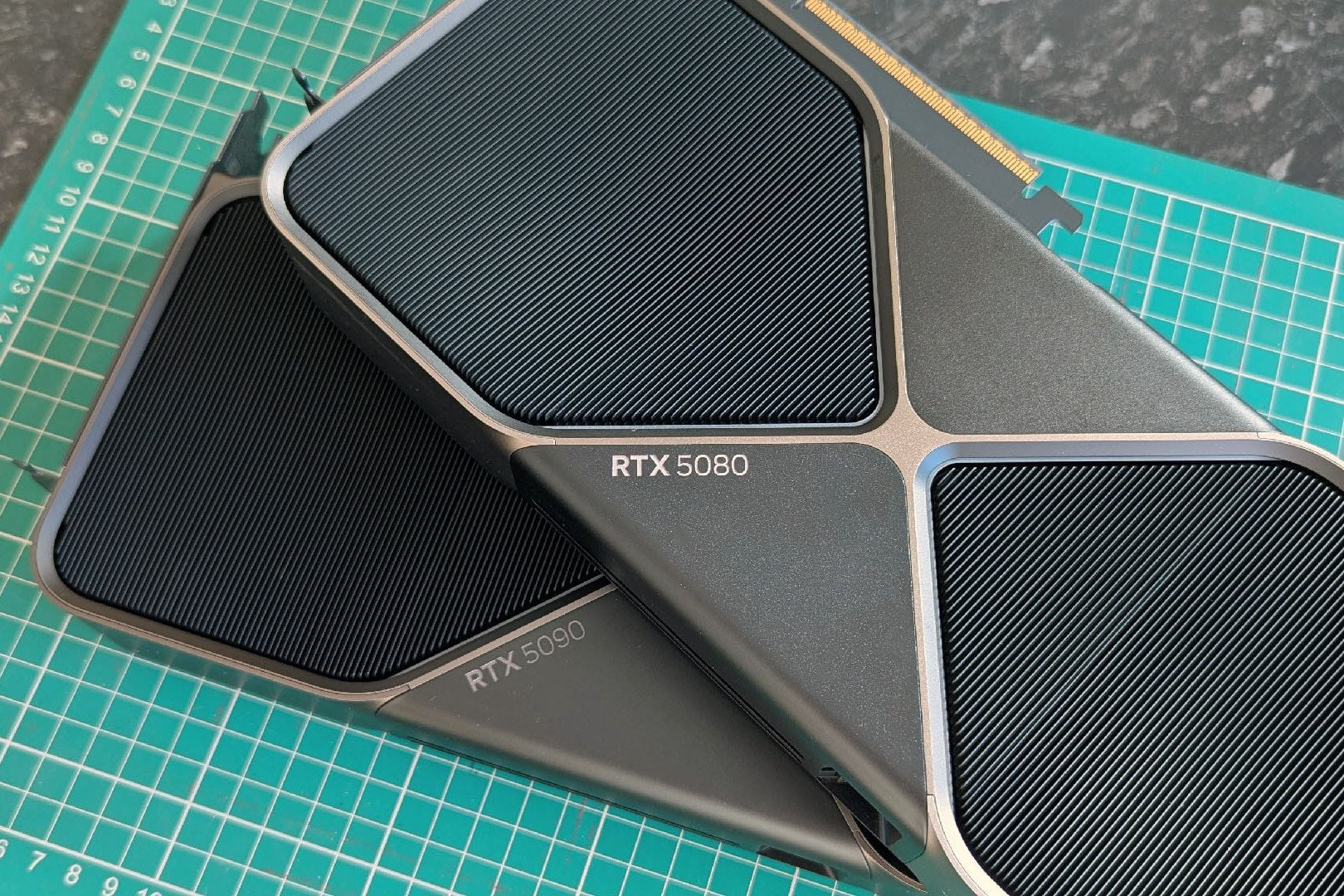
Meanwhile, the RTX 5080 has climbed to nearly $2,250, making it considerably more expensive than its original $999 price.
The RTX 5090 is also experiencing severe availability problems, with no listings from reputable retailers included in the latest price comparison.
Here is how the latest US prices compare with their original launch prices.
| NVIDIA GPU | Launch MSRP | Lowest listed US price |
|---|---|---|
| RTX 5050 | $249 | $399 |
| RTX 5060 | $299 | $449 |
| RTX 5060 Ti 8GB | $379 | $499 |
| RTX 5060 Ti 16GB | $429 | $830 |
| RTX 5070 | $549 | $899 |
| RTX 5070 Ti | $749 | $1,500 |
| RTX 5080 | $999 | $2,250 |
| RTX 5090 | $1,999 | No reputable listing available |
These figures represent the lowest retailer listings identified in the supplied November 2026 comparison, rather than average market prices.
Actual prices may differ depending on the retailer, graphics card manufacturer and available inventory.
AMD Radeon RX 9000 Graphics Cards Are Also Becoming More Expensive
AMD has not escaped the rising cost of graphics cards.
The Radeon RX 9070 XT, which launched with a $599 MSRP, is now listed for approximately $950.
The standard RX 9070 has reached $750, compared with its original $549 price.
AMD's Radeon RX 9060 XT models have also become considerably more expensive, particularly the 16GB version.
The RX 9060 XT 16GB originally launched at $349 but is now listed for around $750 in the US.
The RX 9070 GRE remains a comparatively attractive option, with its 12GB model selling for approximately $729.
Although that price remains significantly above its $549 launch MSRP, it is still cheaper than several competing graphics cards.
Intel Arc B580 Availability Remains Limited
Intel's Arc graphics cards are also facing supply challenges.
The Arc B580, which originally launched at approximately $250, is currently unavailable through reputable US retailers in the price comparison.
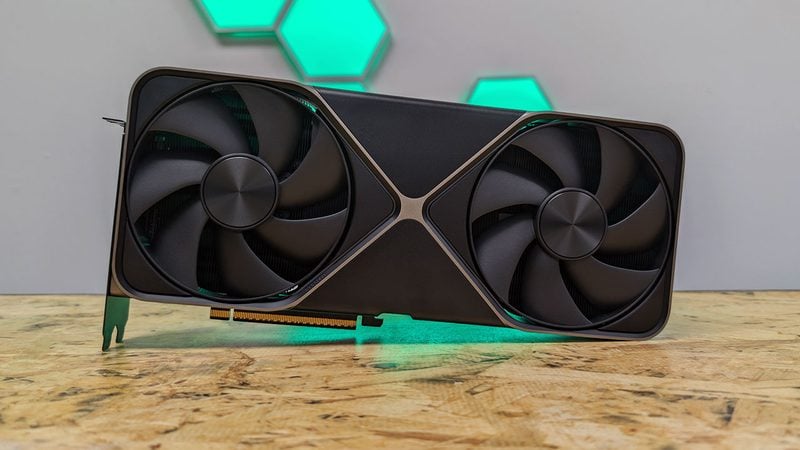
Its smaller sibling, the Arc B570, remains available for approximately $290.
The B570 includes 10GB of GDDR6 memory and offers an alternative for buyers looking for a lower priced graphics card.
However, gaming performance can vary depending on the title, and AMD or NVIDIA alternatives may provide more consistent results in certain workloads.
UK Graphics Card Prices Show Similar Increases
Graphics card prices have also risen across the United Kingdom, although the increases differ between models.
The RTX 5080 is listed at approximately £1,500, while the RTX 5070 Ti has reached £1,250.
AMD's RX 9070 XT is available for around £830, compared with its original £569 recommended price.
The RX 9070 GRE is listed at approximately £580, making it one of the Radeon models closer to its original pricing.
Meanwhile, Intel's Arc B580 has reached approximately £500 despite launching at a considerably lower recommended price.
Global Memory Shortage Continues Affecting GPU Affordability
The rising prices come amid concerns about memory availability and manufacturing costs.
Modern graphics cards require dedicated video memory, with NVIDIA's latest models relying heavily on GDDR7 while AMD's Radeon RX 9000 family uses GDDR6.
As memory prices increase, graphics card manufacturers face additional costs that can influence retail pricing.
Limited inventory can also contribute to higher prices, particularly when demand remains stronger than available supply.
However, the latest retailer listings alone do not establish how much of each price increase is directly attributable to memory costs.
For PC gamers, the situation makes choosing a graphics card increasingly difficult.
Several models originally positioned as affordable or midrange options are now approaching prices previously associated with higher performance products.
The available comparisons suggest that Radeon RX 9070 and RX 9070 GRE models currently offer more competitive pricing than some NVIDIA alternatives, although both remain above their intended launch prices.
With graphics card prices continuing to fluctuate, the difference between MSRP and actual retail pricing has become an important consideration when planning a PC upgrade.
Discussion (0)
Be the first to comment.