



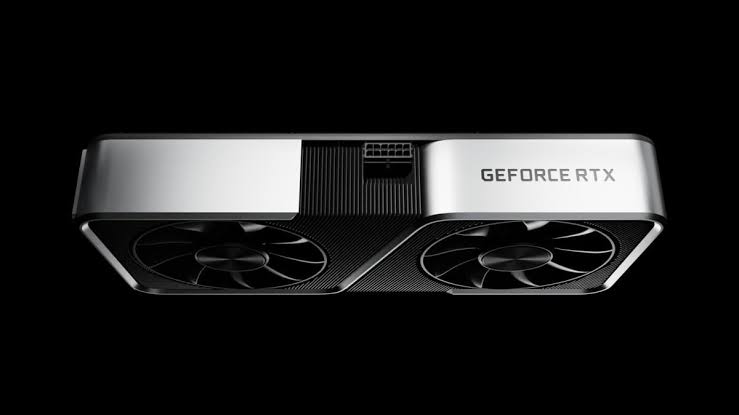
NVIDIA may no longer launch the rumored GeForce RTX 5050 9GB, according to a new leak claiming the graphics card has been cancelled or pushed into a much longer delay. The report suggests NVIDIA’s decision to bring back the older RTX 3060 12GB has made the planned RTX 5050 variant less useful in the budget graphics card market.
Nothing has been confirmed by NVIDIA, so the situation should still be treated as a rumor. However, the claim raises questions about how NVIDIA plans to handle the lower end of its RTX 50-series lineup while memory prices remain high and affordable graphics cards are becoming harder to find.
The RTX 5050 9GB was expected to offer more memory than the existing RTX 5050 8GB. It could have given budget buyers a newer Blackwell option with a slightly better VRAM buffer for modern games, but the expected specifications also suggested several limits.
RTX 5050 9GB Was Rumored to Use a Narrow Memory Bus
Previous reports suggested the RTX 5050 9GB would use a GB206 GPU with 2,560 CUDA cores, a 96-bit memory interface, and 9GB of GDDR7 memory.
That would have made it an unusual product. The extra 1GB of memory could help in some situations, but the narrow memory bus may have limited bandwidth compared with cards using wider interfaces.
| Rumored specification | RTX 5050 9GB |
|---|---|
| GPU core | NVIDIA GB206 |
| CUDA cores | 2,560 |
| Memory capacity | 9GB GDDR7 |
| Memory bus | 96-bit |
| Expected market | Budget gaming |
| Launch status | Reportedly cancelled or delayed |
The existing RTX 5050 uses 8GB of GDDR6 memory, so a 9GB GDDR7 version would have been a small but noticeable refresh. Still, it may not have delivered enough of a performance difference to justify another model in NVIDIA’s already crowded budget lineup.
RTX 3060 12GB Could Be the Main Reason
The report claims that NVIDIA’s renewed RTX 3060 12GB production has reduced the need for an RTX 5050 9GB. The RTX 3060 is much older, but its 12GB memory capacity remains attractive for buyers who want more VRAM without moving into expensive higher-tier cards.
That does not automatically make the RTX 3060 a better gaming card overall. Newer RTX 50-series GPUs offer updated architecture, newer AI features, and support for NVIDIA’s latest DLSS technologies. But in the budget segment, memory capacity can influence buying decisions, especially for games that use more than 8GB of VRAM at higher settings.
| Graphics card | Memory | Main advantage |
|---|---|---|
| RTX 5050 | 8GB GDDR6 | Newer architecture and features |
| RTX 5050 9GB | 9GB GDDR7 | Rumored middle option |
| RTX 3060 | 12GB GDDR6 | More VRAM for lower-cost builds |
If NVIDIA keeps the RTX 3060 12GB available around the $300 to $350 range, the RTX 5050 9GB may have struggled to find a clear purpose.
Budget GPU Buyers May Have Fewer Choices
The possible cancellation would leave the RTX 5050 8GB as NVIDIA’s main current generation entry level option, while the RTX 3060 12GB continues serving buyers who prioritize memory capacity.
That is not an ideal situation for gamers. The RTX 3060 is now several generations old, and the RTX 5050 8GB may not provide enough VRAM headroom for buyers planning to keep a card for many years.
AMD and Intel could benefit if NVIDIA leaves a gap between 8GB budget cards and more expensive 12GB or 16GB models. Cards such as Intel’s Arc B570 and Arc B580, along with AMD’s Radeon RX 9060 XT models, may look more appealing depending on regional pricing.
For now, the RTX 5050 9GB remains unannounced. Until NVIDIA confirms its plans, it is unclear whether the card has been cancelled completely or simply delayed for later in 2026.



Discussion (0)
Be the first to comment.