



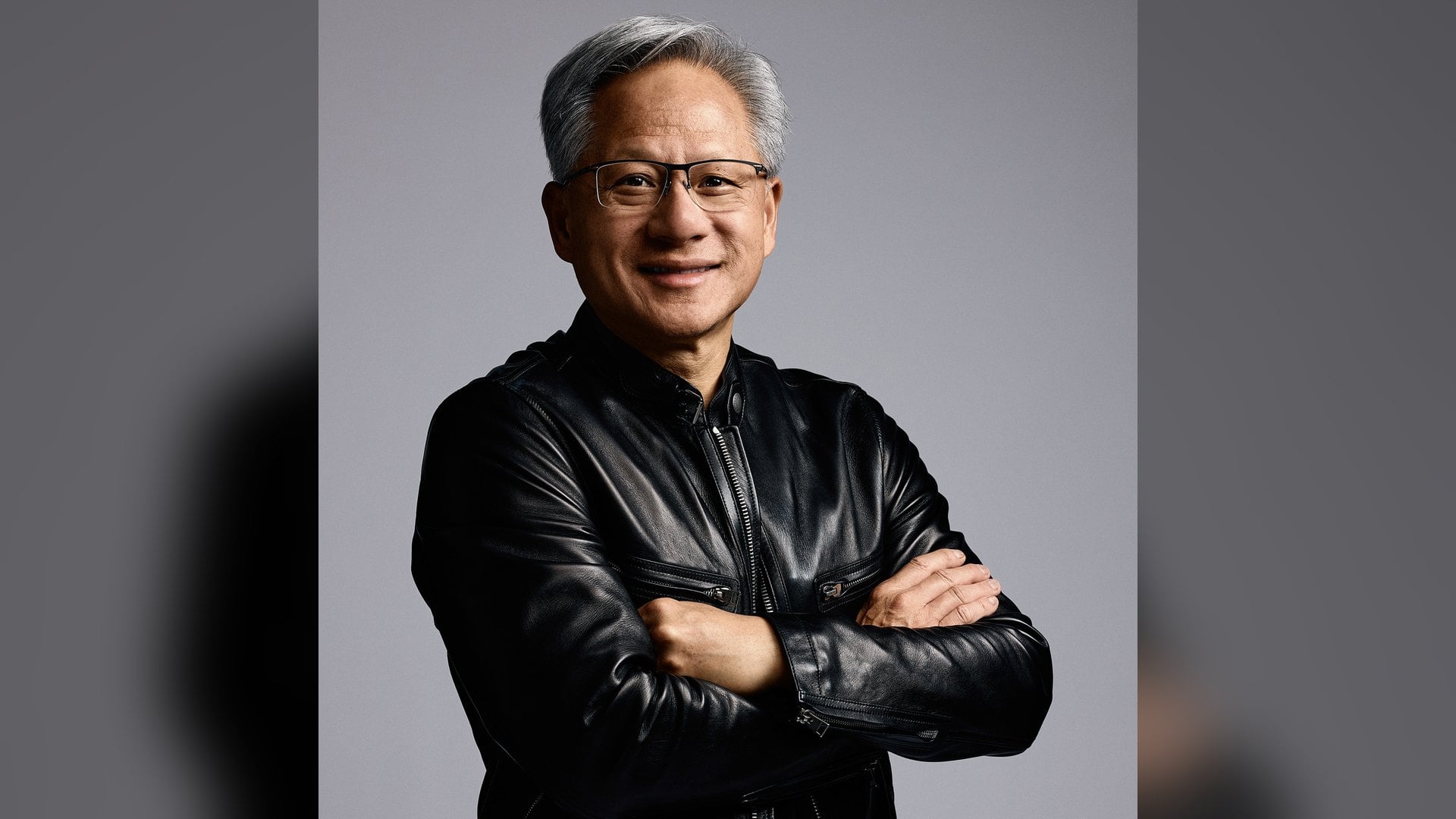
Jensen Huang's return as NVIDIA CEO may have restored some confidence in the company's technology roadmap, but concerns surrounding its future revenue and regulatory challenges remain.
According to industry analyst Ming-Chi Kuo, NVIDIA could face tighter restrictions on GPU sales, limitations on chip leasing arrangements, shipment investigations, and potential lawsuits following Huang's reinstatement.
These challenges could affect NVIDIA's business operations and introduce further uncertainty across the artificial intelligence supply chain.
While Huang's return provides greater clarity regarding NVIDIA's leadership and product development strategy, Kuo believes several challenges facing the broader AI industry remain unchanged.
NVIDIA could face greater regulatory scrutiny
Kuo believes NVIDIA is operating under different circumstances following the controversy surrounding Huang's departure and subsequent reinstatement.
Potential restrictions on GPU sales and leasing arrangements could directly affect the company's revenue. Investigations into GPU shipments and potential legal proceedings could also create additional uncertainty for NVIDIA and its business partners.
Huang returned to NVIDIA within weeks of his resignation. US President Donald Trump has also claimed that he played an important role in the CEO's reinstatement.
Having led NVIDIA since its establishment in 1993, Huang has been instrumental in developing the company's graphics and accelerated computing businesses. Under his leadership, NVIDIA expanded beyond traditional graphics processing and became a major supplier of computing hardware for artificial intelligence.
His return is expected to provide greater continuity in NVIDIA's technology development and long term business strategy. However, the company's ability to maintain its growth will also depend on regulatory developments and demand for AI infrastructure.
AI data center expansion continues to face challenges
Kuo also highlighted several infrastructure limitations that cannot be resolved simply through a change in NVIDIA's leadership.
These include stricter data center regulations, electricity availability, labor shortages, semiconductor packaging yields, and concerns surrounding peak capital expenditure.
The expansion of AI infrastructure requires significant investment in power generation, cooling systems, construction, and computing equipment. Limitations in any of these areas could delay data center projects and affect demand for NVIDIA's hardware.
Advanced semiconductor packaging remains another important consideration. Companies such as TSMC have had to expand their packaging capacity considerably to accommodate growing demand for AI accelerators.
Unlike conventional chip manufacturing, advanced packaging involves integrating processors with additional components, including high bandwidth memory. Limited production capacity or lower manufacturing yields can restrict the number of completed AI chips available for shipment.
Kuo also cautioned that companies within NVIDIA's ecosystem may not necessarily return to their previous market highs following Huang's reinstatement.
Their recovery will depend on their respective positions within the AI supply chain, infrastructure spending, manufacturing capacity, and NVIDIA's ability to navigate potential regulatory restrictions.
Although Huang's return reduces uncertainty surrounding the company's leadership, the wider commercial and infrastructure challenges facing NVIDIA remain unresolved.



Discussion (0)
Be the first to comment.