



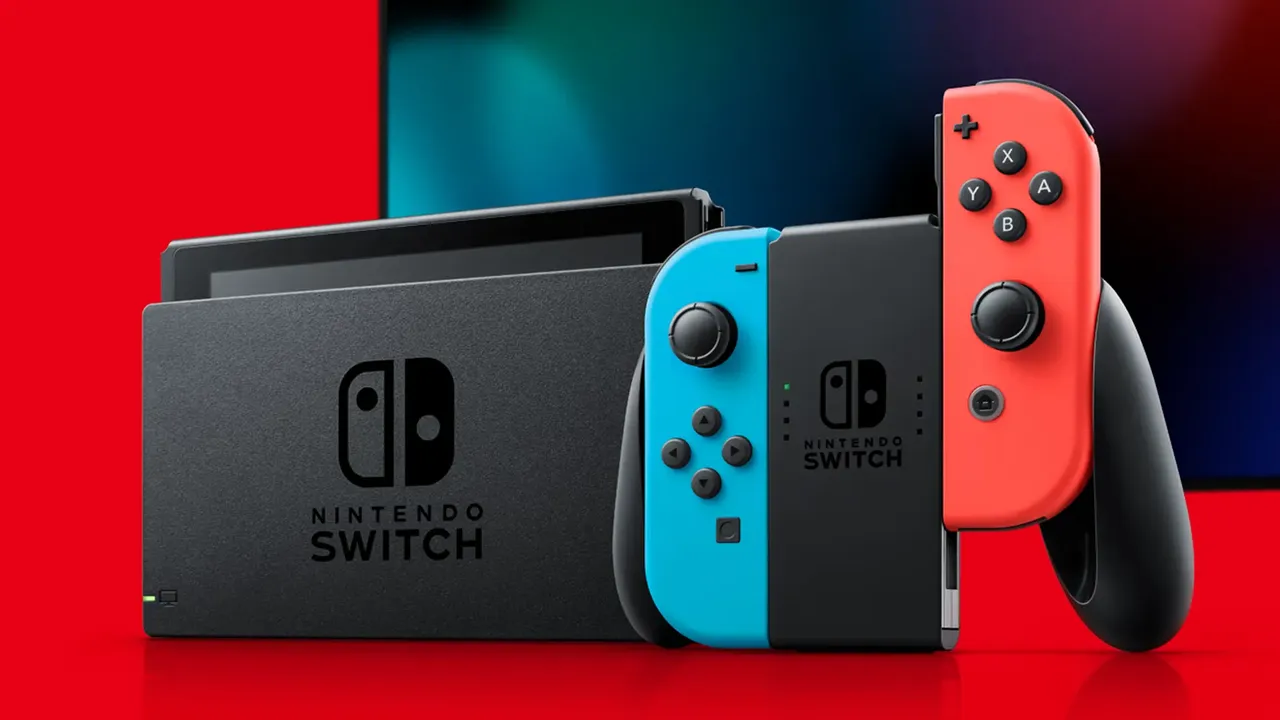
Nintendo has launched another large legal action against Nintendo Switch emulation projects, with more than 400 GitHub repositories reportedly removed through a new wave of DMCA takedown notices.
The action targets several emulator projects and forks, many of which trace their code or development history back to Yuzu. Nintendo previously took action against Yuzu in 2024, followed later that year by Ryujinx. Since then, new community maintained projects have continued to appear.
The largest target in the latest sweep is Suyu, a Switch emulator project that reportedly had a network of 311 repositories. Nintendo's takedown claim argues that the software can bypass the encryption protecting Switch games, allowing unauthorized copies to be decrypted and played.
Suyu accounts for most of the removed repositories
Nintendo's action extends well beyond one project. Several emulator networks and forks were included in the notices.
| Project | Reported repositories or forks affected |
|---|---|
| Suyu | 311 |
| Skyline | 29 |
| Yuzu Android | 8 |
| NicolasArvani Yuzu fork | 14 |
| IpwnedU Yuzu fork | 1 main repository |
| Yuzu EA4176 | 21 forks |
| MonoNX | 17 forks |
Taken together, the affected projects account for more than 400 repositories and forks.
Suyu became one of the more visible Switch emulator projects after Yuzu development ended. Like several other projects in this latest group, it was based heavily on existing emulator code rather than being created entirely from scratch.
Skyline, meanwhile, was designed around Android devices, while MonoNX used C# and represented a different technical approach. Even so, Nintendo's broader argument centers on software capable of bypassing the technological protections used by Switch games.
Nintendo continues its aggressive emulator strategy
Nintendo has consistently taken a much more aggressive position toward Switch emulation than many other platform holders.
Yuzu was one of the most advanced Switch emulators before its development ended in March 2024. Ryujinx followed later in October 2024. By that stage, both projects had reached the point where large portions of the Switch game library could run on PCs with varying levels of compatibility and performance.
Stopping the original projects has not stopped the code from circulating.
Because much of the emulator software had already been distributed publicly, new forks and derivative projects have continued to appear. GitHub makes copying a repository relatively simple, which creates an ongoing challenge for copyright enforcement. Removing one project does not necessarily remove every existing copy of its code.

That does not mean individual emulator projects are protected from legal action. Developers and repository maintainers can still face takedowns, legal pressure or potentially more serious consequences depending on how their software operates and is distributed.
The latest GitHub sweep shows that Nintendo remains willing to pursue those projects at scale.
For players interested in game preservation, the situation remains complicated. Emulators can be used for legitimate preservation and compatibility work, but Nintendo's legal complaints focus specifically on bypassing encryption and other protections applied to its commercial games.
The result is likely to be an ongoing cycle. Projects may disappear from major hosting platforms, while copies and new forks continue to surface elsewhere. Nintendo's latest action removes a substantial number of repositories at once, but it is unlikely to end Switch emulator development entirely.

Discussion (0)
Be the first to comment.