


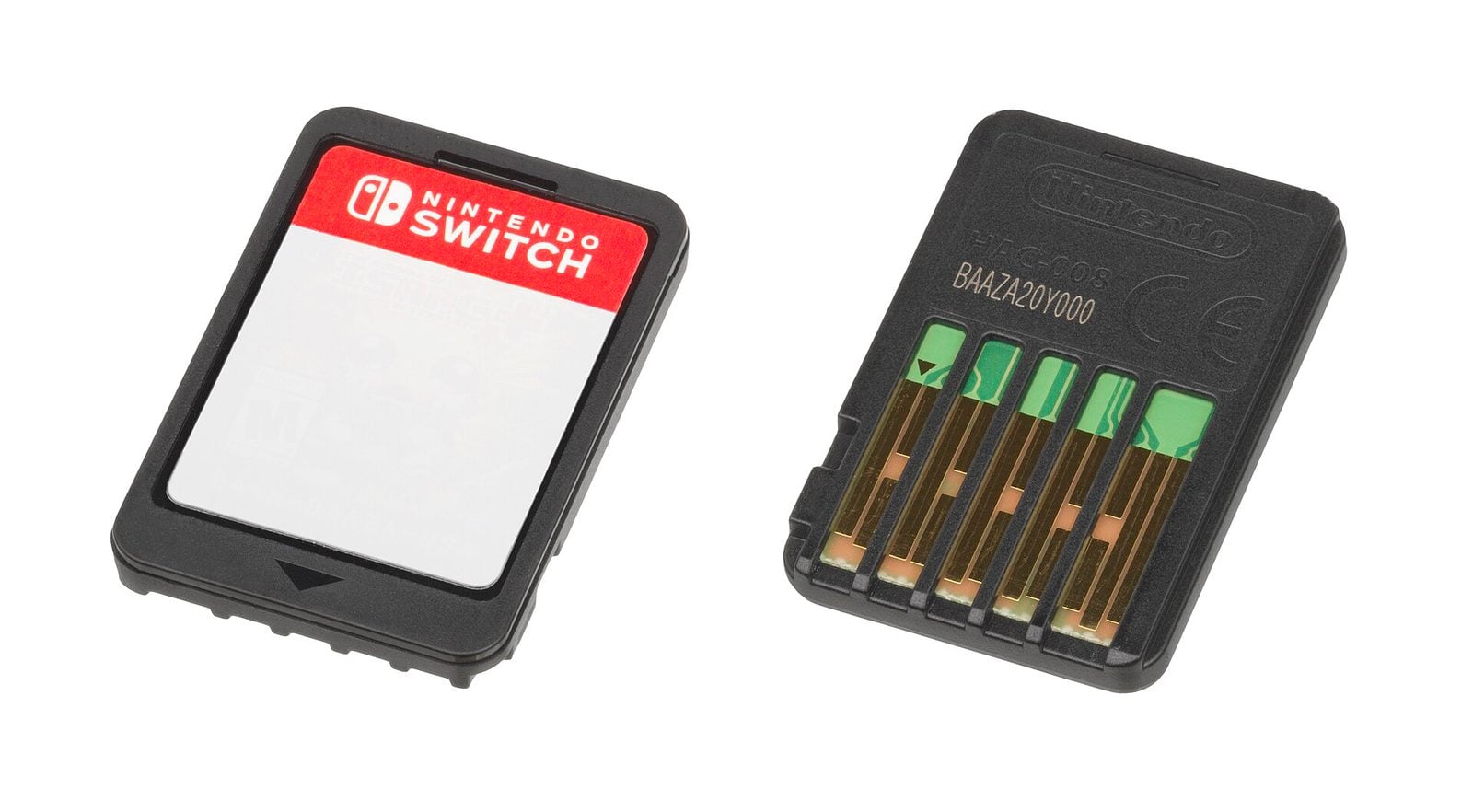
Macronix, a major supplier of memory chips used in original Nintendo Switch game cartridges, has confirmed plans to gradually discontinue its ROM manufacturing business.
The decision could affect the availability and manufacturing costs of physical Nintendo Switch games, although Nintendo has not announced any plans to stop producing cartridges.
Macronix CEO Miin Wu confirmed the transition during the company's latest earnings call, explaining that ROM production is being phased out as demand continues to decline.
The change comes as digital game purchases account for an increasing share of sales across major gaming platforms.
However, Nintendo Switch 2 cartridges are expected to remain unaffected because they use a different memory technology.
Macronix Is Moving Away From ROM Chips as Demand Falls
Macronix has supplied ROM chips used in physical Nintendo Switch games, but this segment now represents a much smaller portion of its business.
According to the company's latest financial results, ROM products accounted for just 5% of its third quarter sales, compared with 26% during the same period in 2025.
The decline has encouraged Macronix to redirect its manufacturing resources toward other memory products.
Despite weaker ROM demand, the company's overall financial performance remains strong.
Macronix reported quarterly revenue of approximately $337.8 million, representing a 42% increase compared with the previous quarter.
Industry analyst David Gibson indicated that the company does not intend to introduce new ROM products. The third quarter may also be the final reporting period in which Macronix separately discloses ROM sales.
Original Nintendo Switch Cartridges Could Become More Expensive
Macronix's withdrawal could create additional challenges for Nintendo's physical game distribution.
Although alternative ROM suppliers remain available, losing a major manufacturer may increase component procurement costs or limit production flexibility.
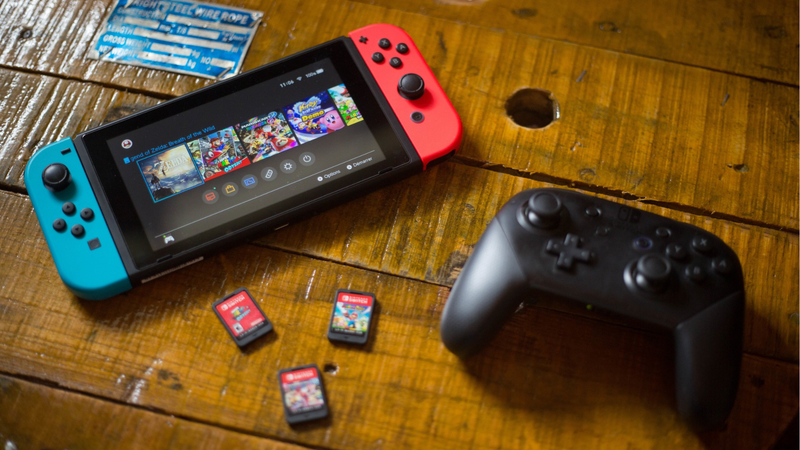
Nintendo could potentially respond by adjusting manufacturing arrangements or reducing cartridge production, although neither outcome has been confirmed.
The situation also reflects changing purchasing habits across the gaming industry.
Digital purchases accounted for more than 60% of Nintendo's game sales during the latest quarter.
For comparison, digital sales represented approximately 85% of PlayStation game sales and 96% of Xbox sales.
However, physical games remain an important part of Nintendo's business, particularly for collectors and customers who prefer owning cartridges.
The newer Nintendo Switch 2 is unlikely to face the same immediate problem because its game cards use NAND flash memory instead of the ROM technology associated with the original Switch.
Macronix continues operating in the NAND market, where demand remains stronger.
For now, there is no indication that Nintendo will discontinue physical games, but the supplier's decision could influence their future manufacturing costs and availability.


Discussion (0)
Be the first to comment.