



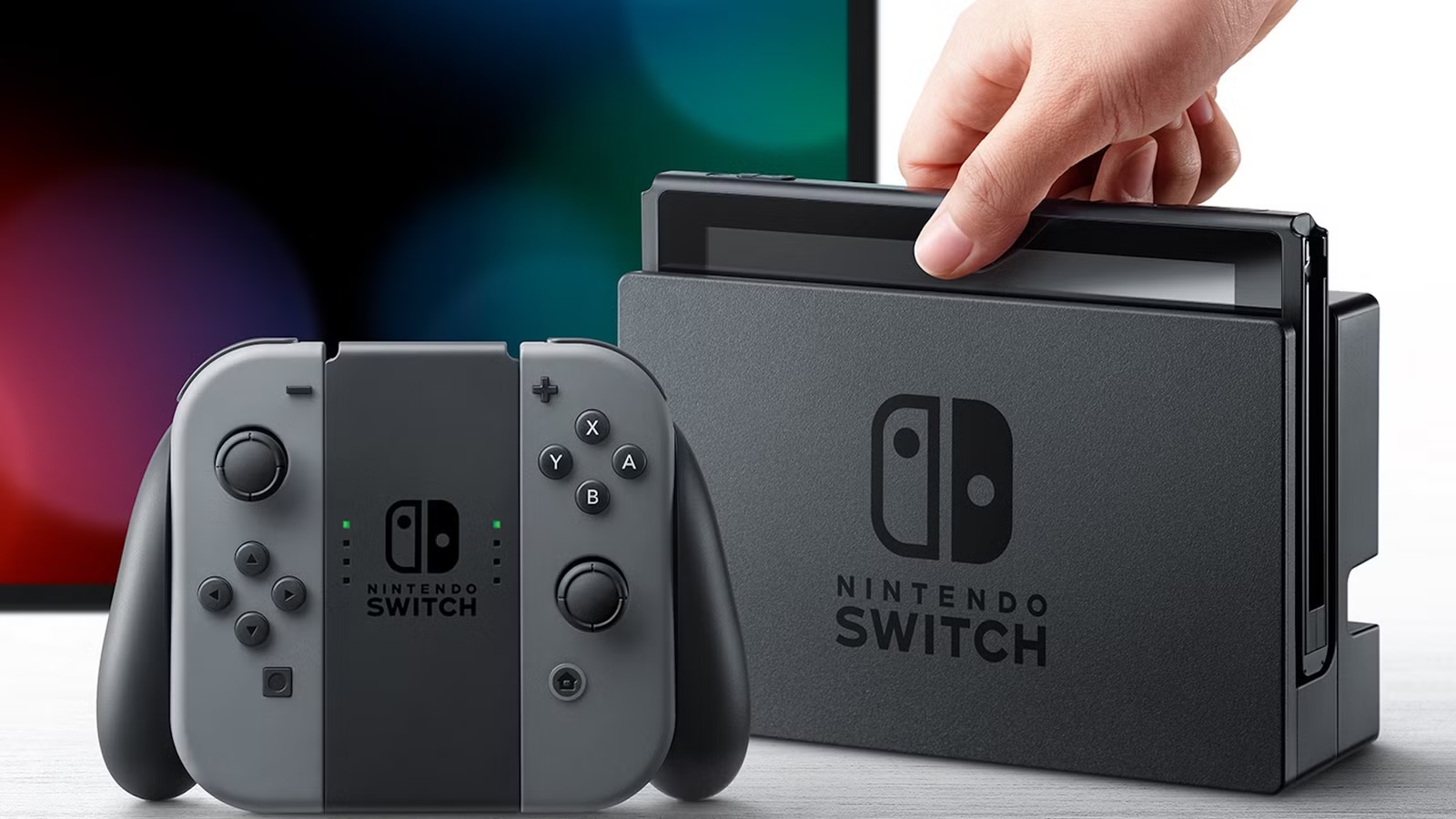
Nintendo has temporarily tightened sales of the multi language Nintendo Switch 2 in Japan after detecting orders suspected of bulk buying and scalping. The restriction does not affect every Switch 2 model in Japan. It mainly targets the multi language version, while the Japan only model remains the main option available for local buyers.
The move is meant to stop resellers from buying large numbers of consoles before a coming price increase and selling them later at higher prices. Nintendo says it wants to deliver the console to as many customers as possible, which is why it is adding purchase conditions for the multi language version.
In Japan, buyers can choose between two Switch 2 models. One is the Japan only version, which is region locked and limited to Japanese language settings. The other is the multi language version, which is closer to the global model and is more useful for international buyers, travelers, and resellers.
Nintendo is targeting the multi language Switch 2
The multi language Switch 2 appears to be the main target because it is easier to resell outside Japan. A console that supports multiple languages has a wider resale market, while the Japan only model is less attractive for overseas buyers because of its language and region restrictions.
Nintendo says it found multiple suspicious orders at the Nintendo Store and temporarily stopped selling the multi language model. Sales are returning with stricter rules.
| Switch 2 model in Japan | Current situation |
|---|---|
| Japan only Switch 2 | Main version available for local buyers |
| Multi language Switch 2 | Temporarily restricted due to suspected scalping |
| Purchase limit | One unit per account |
| Playtime requirement | At least 50 hours on Switch by May 31, 2026 |
| Eligible playtime | Paid games only |
| Not counted | Demos and free software |
The rules are similar to the early Switch 2 preorder limits Nintendo used before launch.
Buyers need real Switch play history
To buy the multi language Switch 2 in Japan, customers must have at least 50 hours of playtime on a Nintendo Switch console as of May 31, 2026. That playtime must come from paid games, not demos or free to play titles.
Nintendo is also limiting purchases to one Switch 2 unit per account. This makes it harder for scalpers to create fresh accounts and buy several units without any real history in the Nintendo ecosystem.
The idea is not perfect, but it helps separate regular players from buyers who only want to resell stock. A real player is more likely to have paid game history, while a reseller may not.
The timing matters because prices are expected to rise
Nintendo’s decision comes ahead of a planned Switch 2 price increase. That timing likely explains why the multi language model became a bigger target.
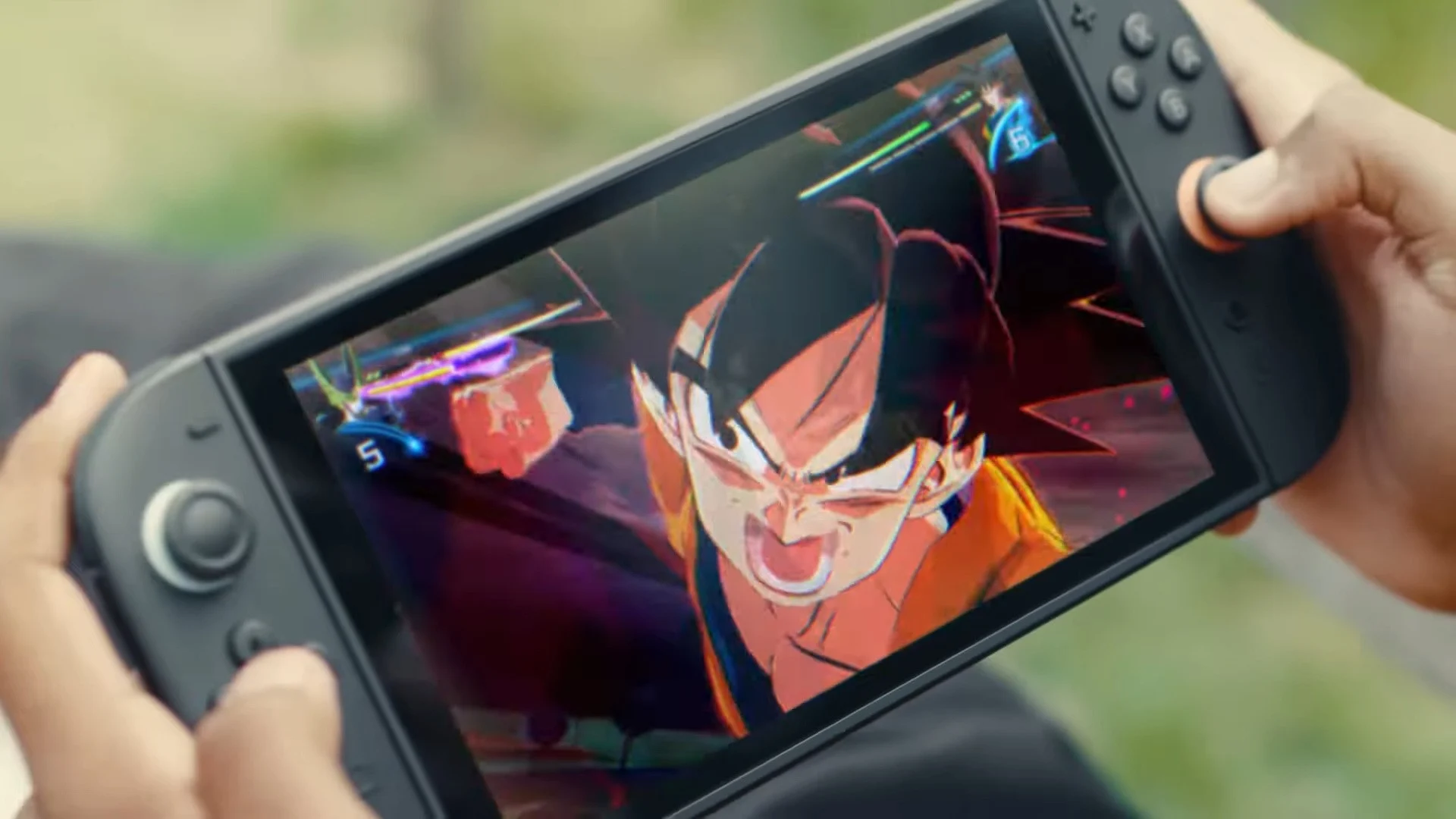
When a console price is about to rise, resellers may try to buy stock at the lower price and sell it later for a profit. This can make the console harder to find for regular buyers and can also create artificial shortages.
By restricting the multi language model now, Nintendo is trying to reduce bulk buying before the price change takes effect.
Japan only units are less useful for scalpers
The Japan only Switch 2 gives Nintendo a useful tool against resale activity. Since it is built for the domestic market, it is less attractive to international scalpers. That does not mean it cannot be resold, but its limited language and regional setup reduce demand outside Japan.
That makes it easier for Nintendo to keep local supply available while controlling the more flexible multi language version.
For Japanese customers who only need the local model, this may not create a major issue. For buyers who specifically want the global style unit, the process is now stricter.
Nintendo is trying to protect regular buyers
Console launches and early sales windows often attract scalpers, especially when supply is tight or demand is high. The Switch 2 is no different. Nintendo is trying to make sure more consoles reach people who actually intend to use them.
The restrictions may frustrate some legitimate buyers, especially tourists or residents in Japan who do not have enough Switch playtime on their account. But Nintendo appears to be prioritizing long time players and local availability over open access.
This is a familiar tradeoff. Stronger anti scalper rules can help real customers, but they can also block some genuine buyers who do not fit the required account history.
The restrictions may be temporary, but they show Nintendo is watching demand closely
Nintendo has described the sales change as temporary, so the multi language Switch 2 may become easier to buy again once the company is more confident that stock is reaching regular customers.
For now, the message is clear. Nintendo does not want the multi language Switch 2 in Japan to become an easy target for resellers, especially before a price hike.
The rule may not stop scalping completely, but it raises the barrier. Buyers now need account history, paid game playtime, and must follow a one unit limit. That should make bulk buying harder and give more regular customers a fairer chance to buy the console.



Discussion (0)
Be the first to comment.