



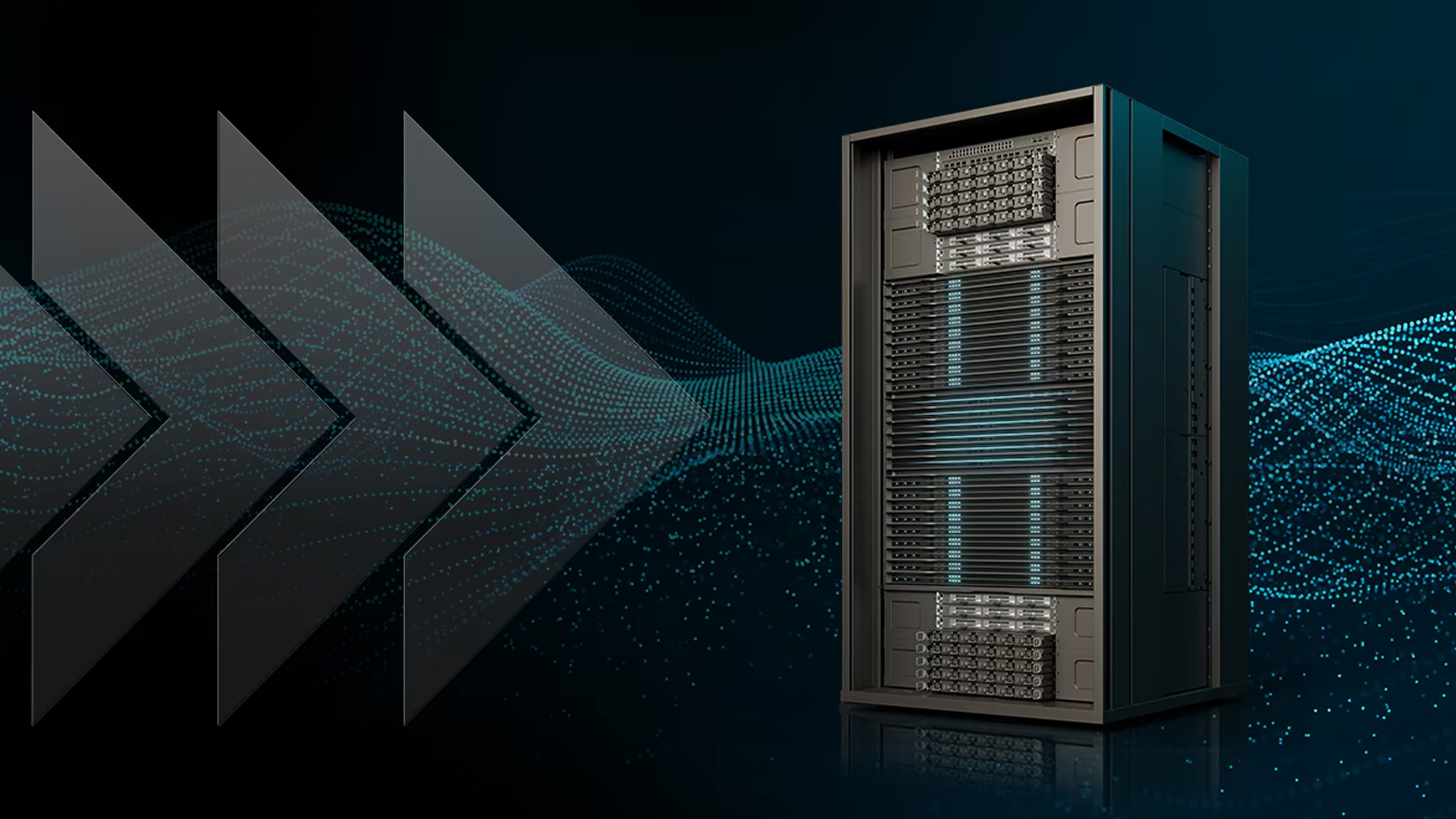
Microsoft plans to deploy next generation rack scale AI infrastructure from both AMD and NVIDIA as it expands Azure’s computing capacity.
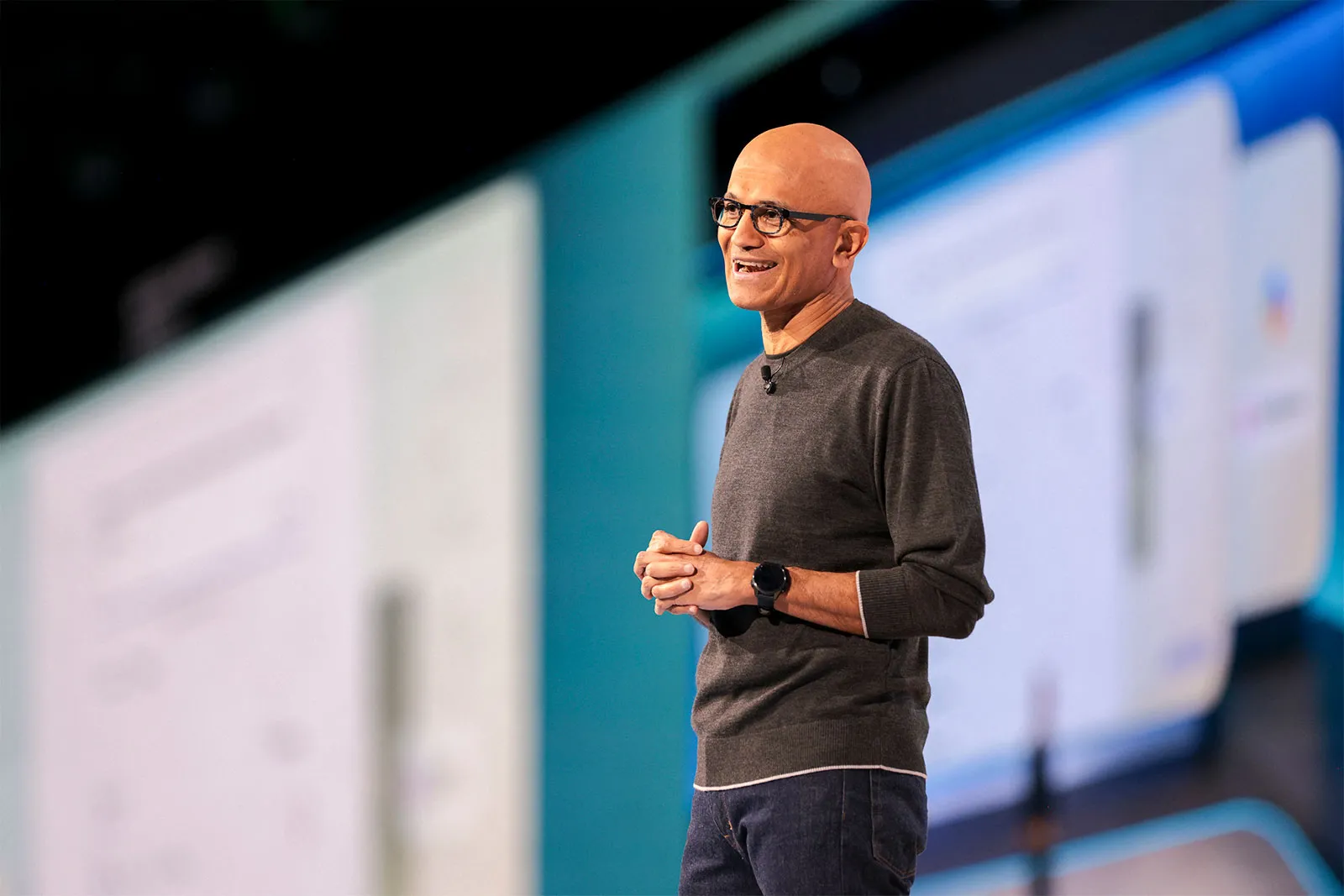
During Microsoft’s latest earnings call, CEO Satya Nadella said Azure would be among the first cloud platforms to use systems based on AMD Helios and NVIDIA Vera Rubin.
The decision gives Microsoft access to two competing AI hardware platforms rather than tying future expansion to a single supplier. It also reflects the company’s wider strategy of supporting several AI models and infrastructure providers across Azure and Copilot.
AMD Helios is reportedly expected to cost between $5 million and $5.5 million per rack. NVIDIA’s second generation Vera Rubin system is estimated at between $3.5 million and $4 million, making the AMD option around 40 percent more expensive based on current projections.
These prices have not been officially confirmed and may vary according to configuration, networking, memory and service agreements.
| AI platform | Main components | Reported rack price |
|---|---|---|
| AMD Helios | Instinct MI455X GPUs, EPYC CPUs, Pensando networking and ROCm | $5 million to $5.5 million |
| NVIDIA Vera Rubin | Rubin GPUs, Vera CPUs, NVLink switches and networking | $3.5 million to $4 million |
| Azure strategy | Deploy both platforms | Not disclosed |
AMD Helios provides a complete rack scale AI platform
Helios is AMD’s first full rack solution designed specifically for large AI workloads.
The system combines Instinct MI455X accelerators with sixth generation EPYC server processors. It also includes Pensando network interface cards, a Pensando data processing unit, Infinity Fabric connections and AMD’s ROCm software platform.
Bringing these components together allows AMD to offer customers a complete system rather than individual processors. Cloud companies can deploy the racks as integrated infrastructure for training and running large AI models.
This approach is important because modern AI systems rely on more than graphics processors. High speed networking, memory access, processor coordination and software support all influence overall performance.
AMD’s ability to compete will therefore depend on how well the complete Helios platform performs, not only on the capabilities of the MI455X accelerators.
The reported price premium suggests AMD may be positioning Helios as a high performance platform with substantial compute, memory or networking resources. However, direct comparisons remain difficult because final configurations can differ.
NVIDIA Vera Rubin combines computing, networking and storage
NVIDIA’s Vera Rubin platform also brings several components into a rack scale system.
The design reportedly includes Rubin accelerators, Vera processors, BlueField data processing units, ConnectX networking and NVLink 6 switches. Additional Spectrum networking and storage components can also be included.
The NVL72 configuration is designed to connect many accelerators within one tightly integrated system. Fast communication between processors is essential when large AI models are divided across dozens of chips.
NVIDIA has an established advantage through its CUDA software ecosystem and broad support from cloud providers, developers and enterprise customers.
Microsoft’s decision to deploy Vera Rubin was therefore expected. The addition of AMD Helios is more significant because it gives Azure another supplier and creates more competition within Microsoft’s infrastructure.
The reported price difference needs context
The estimated price of Helios is around $1 million to $1.5 million higher per rack than the expected cost of NVIDIA’s second generation Rubin system.
That creates a reported premium of approximately 40 percent. The figure does not necessarily mean Helios offers worse value.
Rack prices can include different numbers of accelerators, memory capacities, networking equipment, cooling requirements and service arrangements. Power efficiency and performance per rack can also affect the total cost of ownership.
| Cost factor | Why it matters |
|---|---|
| Accelerator performance | Determines the amount of AI work completed |
| Memory capacity | Affects the size of models that can run |
| Networking bandwidth | Controls communication between chips |
| Power use | Influences operating costs |
| Cooling | Adds infrastructure expenses |
| Software support | Affects deployment and development time |
Microsoft is likely to evaluate the platforms based on performance, customer demand and long term operating costs rather than purchase price alone.
Using both could also strengthen Microsoft’s position when negotiating future supply and pricing.
Microsoft is reducing dependence on a single AI supplier
Demand for AI infrastructure has placed pressure on chip supply, advanced packaging, memory and data centre capacity.
Deploying systems from both AMD and NVIDIA gives Microsoft more flexibility when expanding Azure. If one supplier experiences delays or shortages, the company may still be able to increase capacity using the other platform.
A second hardware provider also allows Azure customers to choose infrastructure suited to their software, budget and performance requirements.
Some companies may prefer NVIDIA because their workloads already depend on CUDA. Others may consider AMD hardware if ROCm support, memory capacity or pricing fits their needs.
Microsoft is also developing its own processors, but third party systems remain important because demand is growing faster than any single hardware programme can serve.
The strategy extends beyond hardware
Microsoft’s multi supplier approach appears to extend to the AI models offered through Azure and Copilot.
The company is reportedly preparing to offer access to Moonshot’s Kimi K3 model through Azure. It is also evaluating whether the model could be used within Copilot.
Microsoft has separately been linked to possible use of DeepSeek V4 or another comparable model for Copilot Cowork. That product is expected to combine enterprise features with advanced models for automated and agent based workflows.
Azure already provides access to models from several developers, including Microsoft’s close partner OpenAI. Supporting additional systems could help the company meet different customer requirements and reduce dependence on one model provider.
The same principle now appears to be shaping its hardware plans.
Microsoft has not disclosed how many Helios or Vera Rubin racks it intends to deploy, when customers will receive access or how the systems will be priced through Azure.
Its commitment to both platforms still represents an important opportunity for AMD. NVIDIA remains the dominant supplier of AI accelerators, but a major Azure deployment could help AMD prove that Helios can operate at cloud scale.
For Microsoft, the decision provides more supply options and greater control over future AI infrastructure. The higher reported cost of Helios has not prevented Azure from adopting it alongside Vera Rubin, suggesting that performance, availability and strategic flexibility matter as much as the initial rack price.

Discussion (0)
Be the first to comment.