



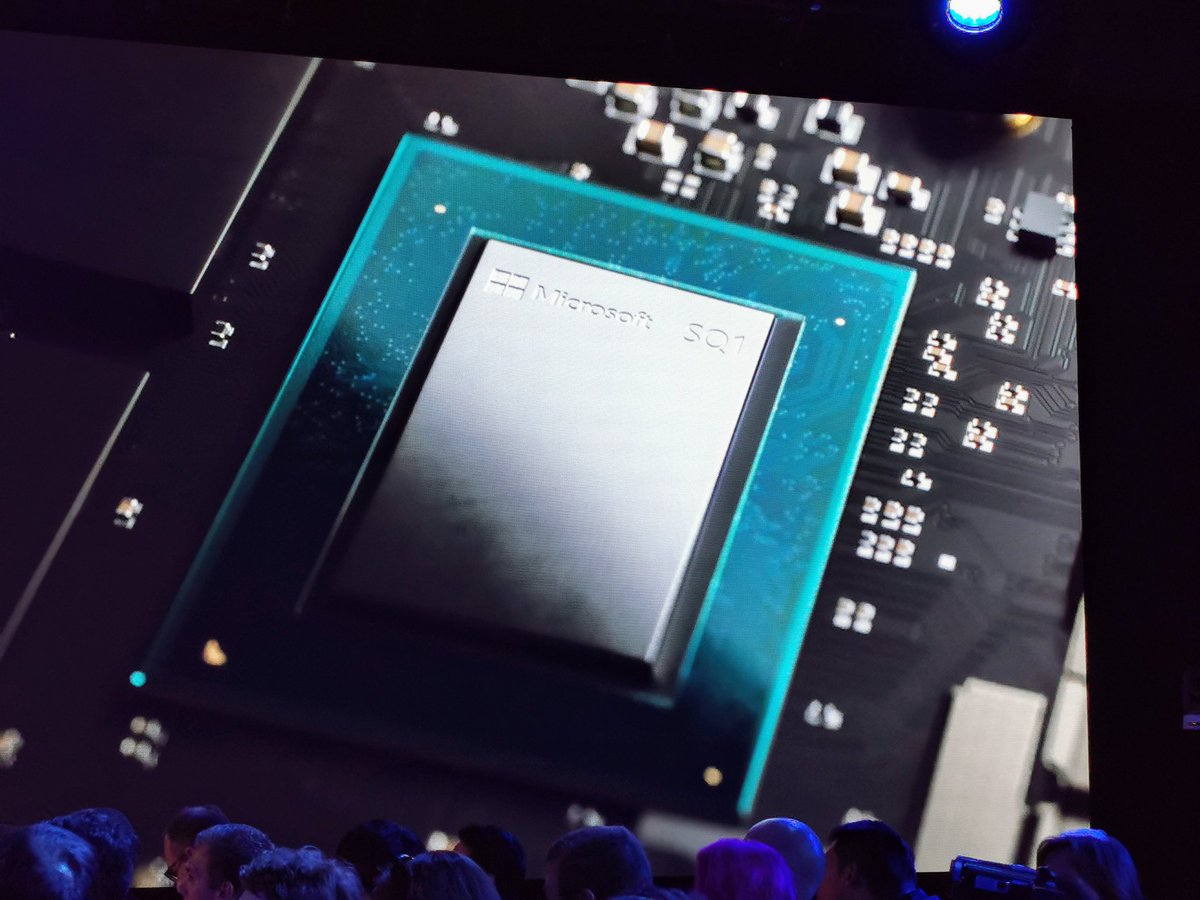
Microsoft says the reason you no longer see AMD processors in its Surface lineup comes down to a limited product portfolio and the need to make careful choices about which chip partners fit into each device.
Surface CVP Brett Ostrum said Microsoft still likes working with AMD, but the Surface family is not large enough to include every major processor vendor at the same time.
In 2026, Microsoft sells or is preparing Surface PCs using Intel, Snapdragon, and Nvidia hardware, while AMD remains absent from the current lineup.
| Detail | Information |
|---|---|
| Current Surface chip partners | Intel, Snapdragon, Nvidia |
| AMD Surface availability | None in current lineup |
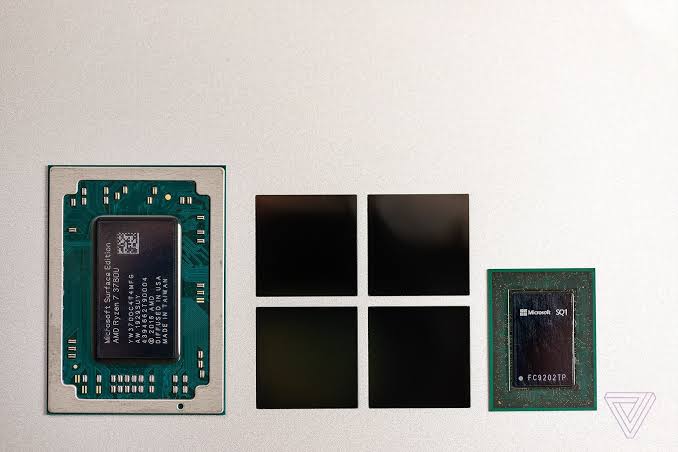
| Previous AMD Surface models | Surface Laptop 3 and Surface Laptop 4 |
| First AMD Surface launch | 2019 |
| AMD dropped from lineup | With Surface Laptop 5 |
| Microsoft explanation | Limited portfolio requires selective chip choices |
| Future AMD Surface | Not confirmed |
| Rumored AMD project | Arm based Sound Wave chip |
Microsoft says the Surface portfolio is too limited
Ostrum explained that Microsoft has a relatively small number of Surface products and therefore has to choose carefully which processors it uses.
He also stressed that the company still enjoys working with AMD.
That means the absence of AMD does not appear to be the result of a breakdown in the relationship between the two companies.
Instead, Microsoft is presenting the decision as a portfolio management issue.
The company has limited space across its Surface product range and is currently prioritizing other silicon partners.
AMD was previously part of the Surface lineup
AMD has appeared in Surface hardware before.
Microsoft introduced AMD powered versions of the Surface Laptop 3 in 2019.
The partnership continued with the Surface Laptop 4.
That run ended when Microsoft launched the Surface Laptop 5, after which AMD options disappeared from the lineup.
Until now, Microsoft had not provided a clear public explanation for why it stopped offering AMD based Surface PCs.
Intel and AMD once shared the same Surface product
The explanation raises an obvious question because Microsoft previously offered Intel and AMD versions of the same Surface Laptop generation.
That showed the company was capable of supporting multiple processor options inside one product family.
The supplied material does not provide a technical explanation for why Microsoft no longer wants to follow that approach.
Ostrum’s comments focus only on portfolio size and the need to make selective decisions.
Microsoft still works closely with AMD elsewhere
AMD remains important to Microsoft outside the Surface business.
The company already uses AMD hardware in its Xbox consoles, and AMD is also expected to power Microsoft’s next generation Xbox.
That makes the lack of AMD powered Surface PCs more unusual because the two companies continue to have an active hardware relationship in gaming.
The supplied material does not suggest that the Xbox partnership has any direct connection to Surface planning.
A rumored AMD Surface project has not appeared
There were previous reports that Microsoft was working on a Surface device using an AMD processor codenamed Sound Wave.
The chip was rumored to use an Arm based design and was expected to appear sometime in 2026.
So far, no such Surface product has been announced.
The source also notes that there is little information about Sound Wave itself, including whether the chip would target high end or mainstream devices.
Because the project has never been officially confirmed, its current status remains unclear.
Nvidia is also entering the Surface lineup
The Surface processor mix is continuing to expand even without AMD.
The article states that Microsoft is preparing Surface hardware using Nvidia chips, adding another vendor alongside Intel and Qualcomm Snapdragon.
That makes Microsoft’s limited portfolio explanation more notable, since AMD previously had a place in the lineup but is currently being left out while another chip supplier is being added.
The source does not explain which specific Surface models will use Nvidia hardware.
AMD could still return later
Microsoft has not ruled out using AMD processors in Surface products again.
Ostrum’s comments do not suggest a permanent decision against AMD.
Instead, the current situation appears to reflect how Microsoft is allocating a limited number of Surface devices across different processor platforms.
For now, however, buyers looking specifically for an AMD powered Surface have no current option.
The Surface Laptop 3 and Surface Laptop 4 remain the only Surface generations that were sold with AMD chips, while Microsoft continues its present lineup with Intel, Snapdragon, and upcoming Nvidia based systems.
Discussion (0)
Be the first to comment.