



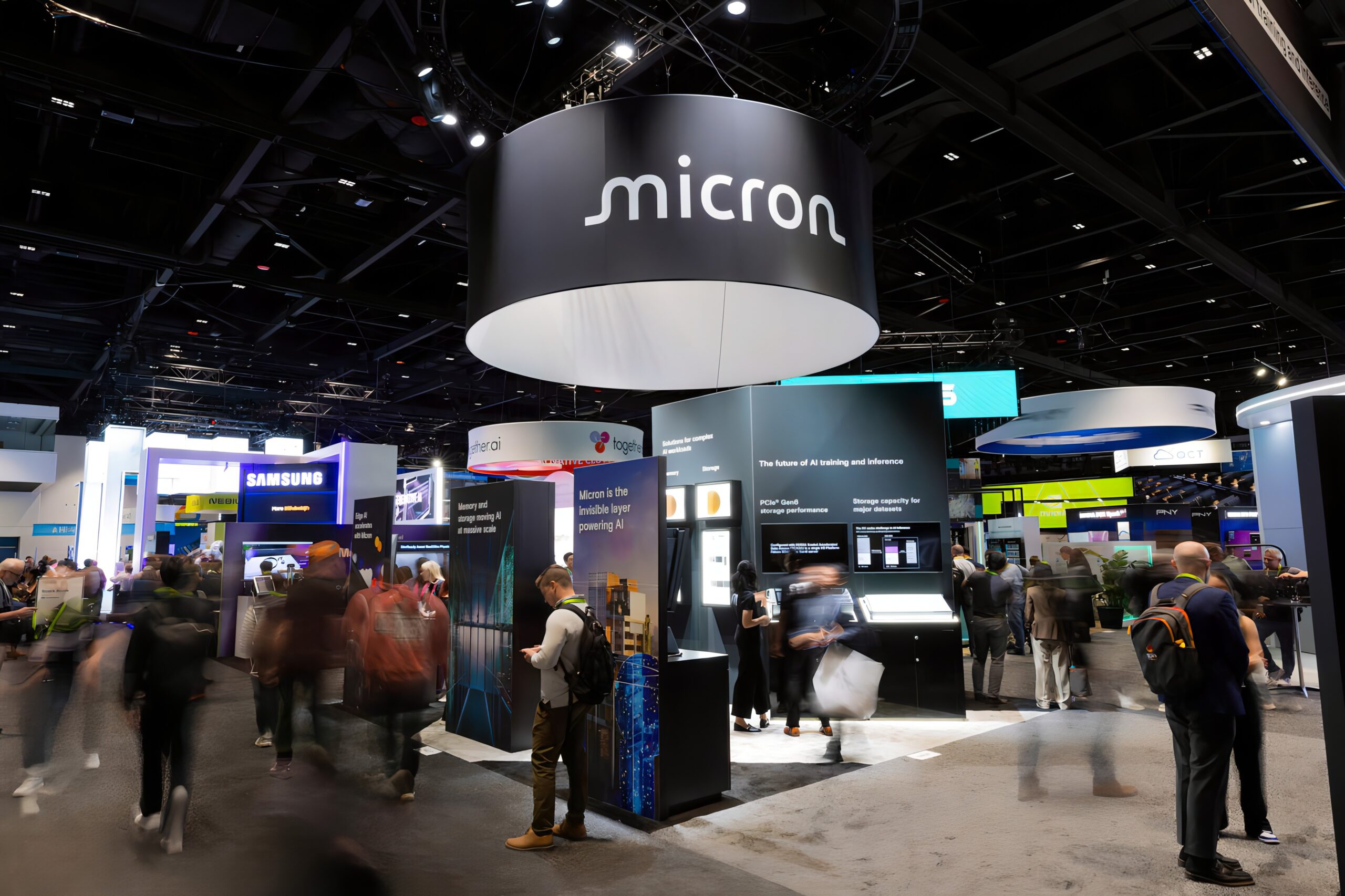
Micron says the AI boom is still in its early stage, and memory demand may keep rising as inference workloads grow. CEO Sanjay Mehrotra said AI is in the “first innings,” with faster and denser memory becoming a strategic requirement for companies building large AI systems.
The reason is simple. AI models need compute, but that compute depends heavily on memory. GPUs need HBM, CPUs need DRAM, and large AI systems also need fast NAND storage. If memory supply cannot grow quickly enough, the whole AI hardware stack becomes harder and more expensive to scale.
Inference is pushing memory demand higher
Training gets a lot of attention, but inference may become the bigger long term driver. Every AI response requires tokens to be generated, and faster token output needs faster memory. As AI tools become more common, the amount of inference work keeps growing.
Micron says memory supply is already tight and cannot be expanded easily. That is showing up in the company’s results, with record revenue, margins, earnings, and free cash flow in its fiscal Q2.
| Memory type | Why AI needs it |
|---|---|
| HBM | Feeds AI GPUs with very high bandwidth |
| DRAM | Supports AI CPUs and large memory pools |
| LPDDR | Offers power efficient memory for scale out systems |
| NAND | Stores huge datasets, models, and AI infrastructure data |
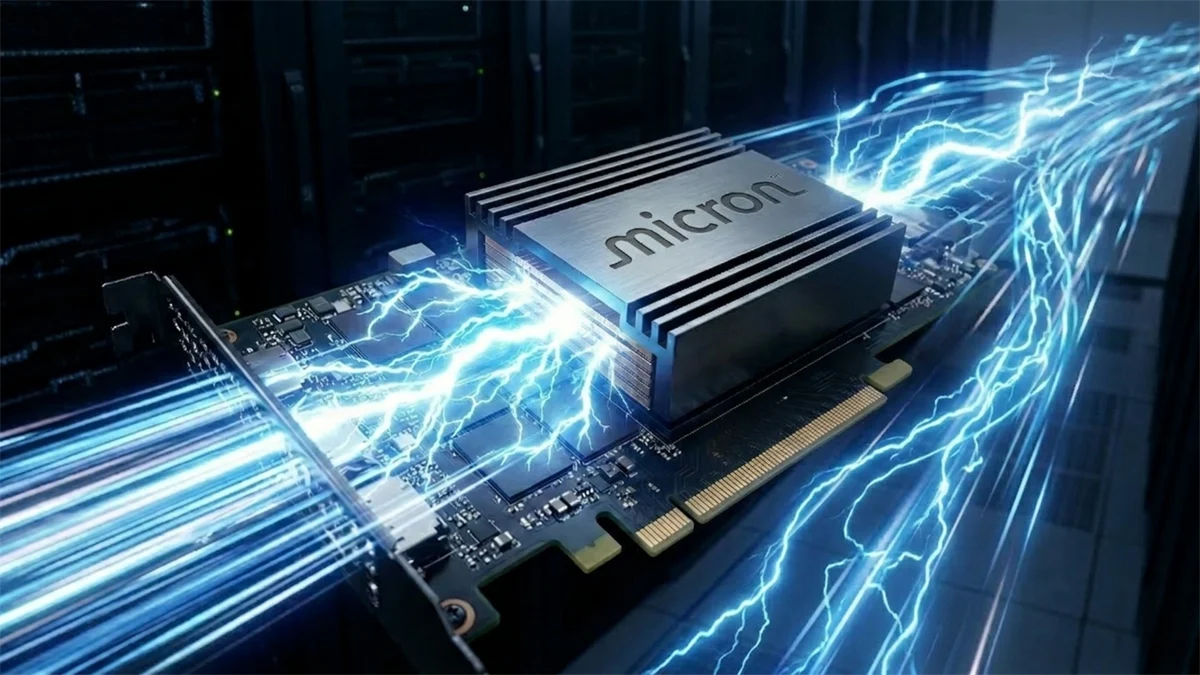
Micron expects AI demand for DRAM and NAND to exceed 50% of the total industry market this year. That is a major shift because memory suppliers are now serving AI datacenters first, while consumer PCs and phones face tighter supply and higher prices.
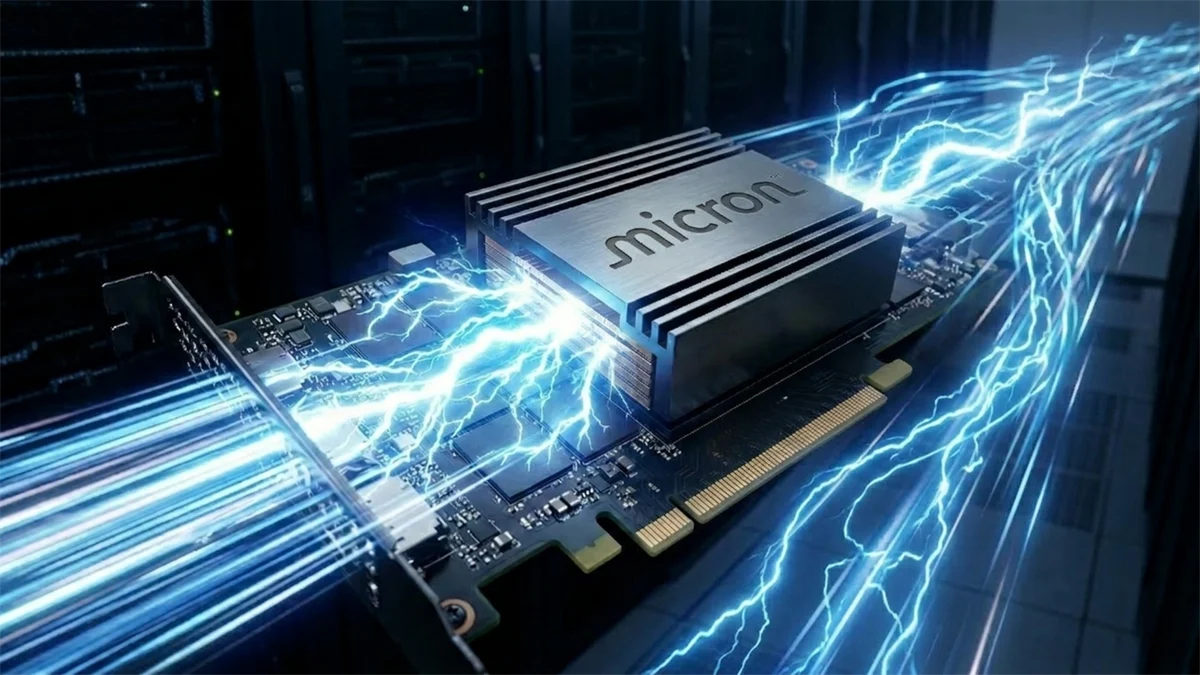
The company is also supplying advanced memory for future AI platforms. Micron is working on 36GB 12 Hi HBM4 for NVIDIA’s Vera Rubin platform and is developing HBM4E for a later ramp. It has also shown 256GB SOCAMM2 memory using LPDDR5X, with configurations reaching up to 2TB.
The consumer impact may be painful. Micron expects PC and mobile unit shipments to fall by low double digits because of constrained supply and higher prices. The company also notes that 32GB is becoming a preferred PC memory capacity for local agentic AI workflows.
This fits the wider market trend. Microsoft is now calling 16GB a baseline for gaming PCs, while 32GB is becoming the safer choice. At the same time, AI demand is pulling more DRAM, HBM, LPDDR, and NAND into datacenters.
For buyers, the message is clear. RAM and SSD prices may stay under pressure for longer than expected. AI companies are still expanding, memory supply cannot adjust overnight, and the demand curve is moving faster than production capacity.
Micron’s view is that this is not a short spike. If AI is still in its early phase, the memory shortage may remain one of the biggest hardware stories of the next few years.


Discussion (0)
Be the first to comment.