



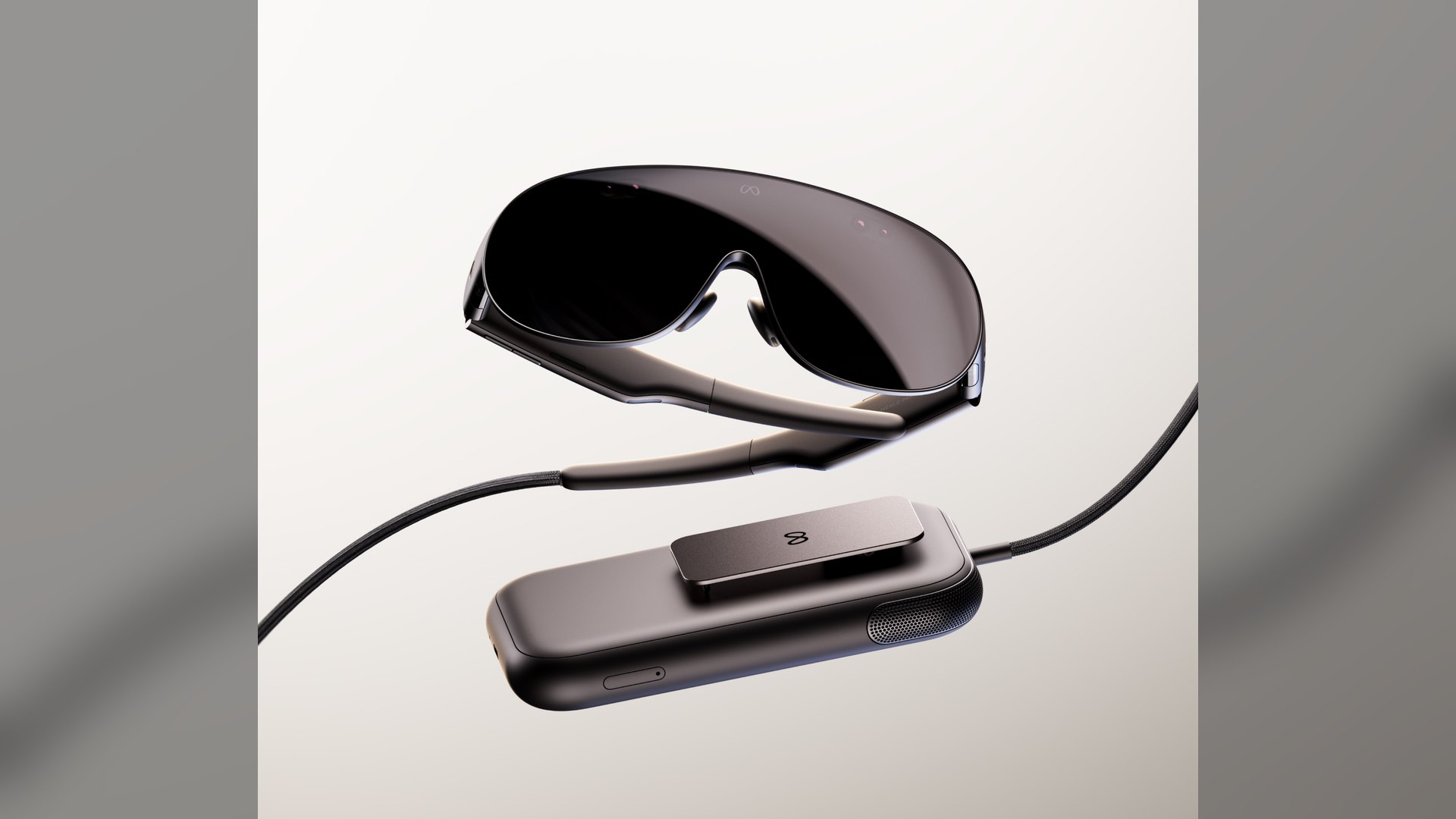
Meta has announced the Meta VR Glasses, a 100 gram headset tied to a separate compute puck, at $1,299.99 and with a Spring 2027 on-sale window. The company says the glasses are "five times lighter than Meta Quest 3," but that number covers only the part worn on the face.
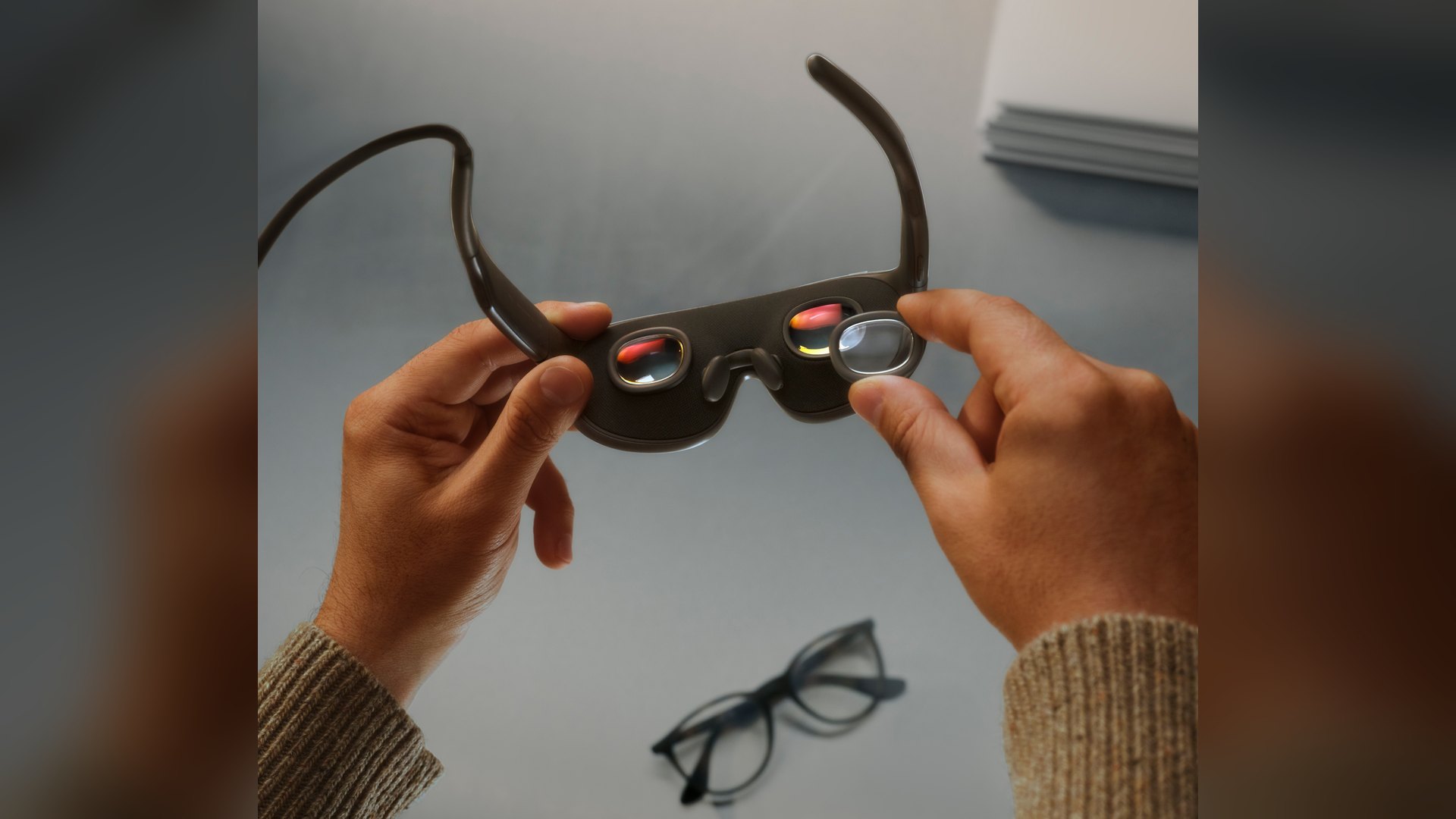
Meta's announcement post is dated September 23, 2026, and was updated September 24, 2026, during Meta Connect 2026. The hardware does not go on sale for more than six months after that, making this a preannouncement rather than a launch.
What Meta has confirmed about the VR Glasses
Meta says the device has a "5K Infinite Display built on micro-OLED panels, with 37 pixels per degree". It credits "ultra-compact pancake lenses built specifically for this device" for the eyewear-shaped frame.
Compute, battery and storage sit in the puck, which connects by an optical tether and clips to a pocket or bag. Meta says the puck "delivers up to three hours of continuous high-resolution media playback and supports 45W fast charging".
The frames use magnesium alloy construction and carry Dolby Atmos spatial audio in the temples, per Meta's blog and newsroom posts. Meta also lists Dolby Vision, full-color passthrough and "full compatibility with Touch Plus controllers".
That controller support keeps the existing Quest library usable. It is the same ecosystem that recently gained mic and camera access in Windows 11 via Microsoft Mixed Reality Link.
Meta's pitch otherwise leans on hands, eyes and voice, with "no controllers needed". On price it is unambiguous: "Meta VR Glasses will go on sale Spring 2027 for $1,299.99 USD".
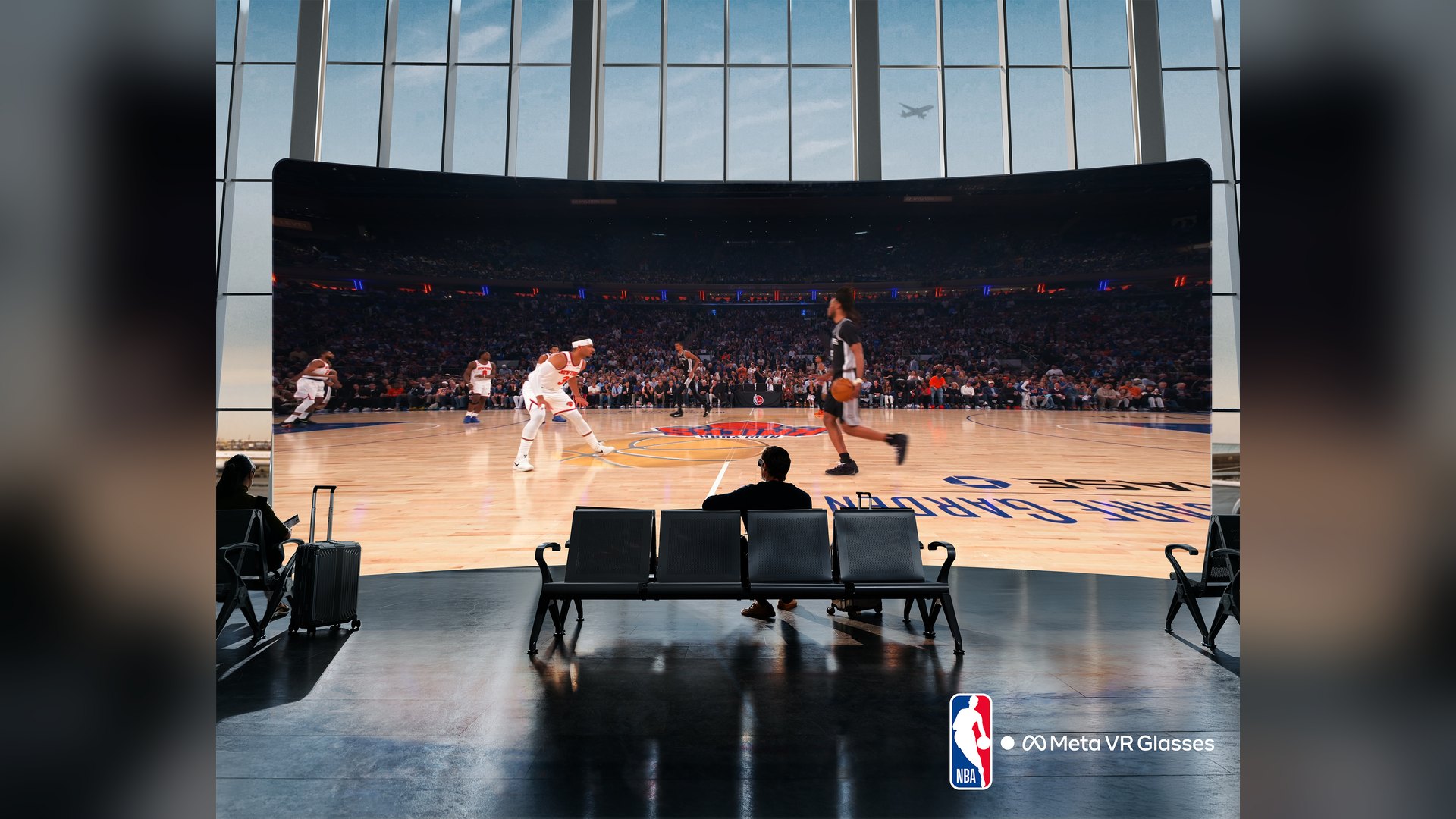
The five times lighter claim has a missing number
Meta publishes exactly one weight for the new hardware. The glasses are "about 100 grams," which Meta compares to a deck of cards.
Quest 3 is a single all-in-one unit, and a weight of roughly 515 grams has been reported for it. Divide 515 by 100 and the result is about 5.15, which is where the five times figure comes from.
That arithmetic works only if the puck is excluded. Meta states no puck weight in its newsroom release or its Quest blog announcement.
A puck weight of about 300 grams has been reported elsewhere, but it cannot be attributed to Meta. Until Meta publishes a figure, the total weight of the two-part system is not known.
Meta's own sentence ties the comparison to "their two-part system," so the claim is not a fabrication. It describes one half of a product that ships in two pieces.
One chip with two different names
Meta's newsroom says the glasses are "powered by Qualcomm's new Snapdragon Reality Elite processor". Meta's own developer page for the same device calls the chip "Snapdragon XR2 Gen 3".
Qualcomm's published product brief for the part never uses the XR2 Gen 3 label anywhere. It names the platform only as the "Snapdragon Reality Elite Platform" and benchmarks it against "the previous generation, the Snapdragon XR2+ Gen 2 Platform".
The brief claims up to 160% higher NPU performance, up to 60% higher GPU performance and up to 30% higher CPU performance against that older part. Those are platform ceilings, not confirmation of what Meta has implemented.
The spec sheet Meta has not published
No per-eye resolution, refresh rate in hertz, field of view in degrees or IPD range appears on any Meta-owned page checked for this article. RAM and storage capacity are missing too.
Figures for those specs circulating in coverage are unconfirmed by Meta at the time of writing. The same caution applies to eye tracking and iris detection as named sensors, since Meta's wording is only "use your eyes".
The contrast with shipping rivals is sharp on disclosure rather than hardware. Valve, which launched Steam Frame at $1,059 with Half-Life: Alyx included, lists per-eye resolution, refresh rate and weight on its own store page.
Steam Frame's 1TB kit sits at $1,299, within a dollar of the Meta price. That kit is already on sale, while Meta's device is two seasons away.
Preorders, regions and what could still change
No preorder date appears in Meta's newsroom post, its Quest blog post or its developer page. The Spring 2027 window is the only timing given, with no day-level ship date.
Meta has also not named the countries where the hardware will be sold, quoting the price in US dollars alone. The "select countries" phrasing in the announcement refers to Disney+ 3D streaming, not to device availability.
All of the above reflects Meta's own materials as checked on September 26, 2026. Specifications and pricing set more than six months before a product goes on sale can move before it ships.


Discussion (0)
Be the first to comment.