



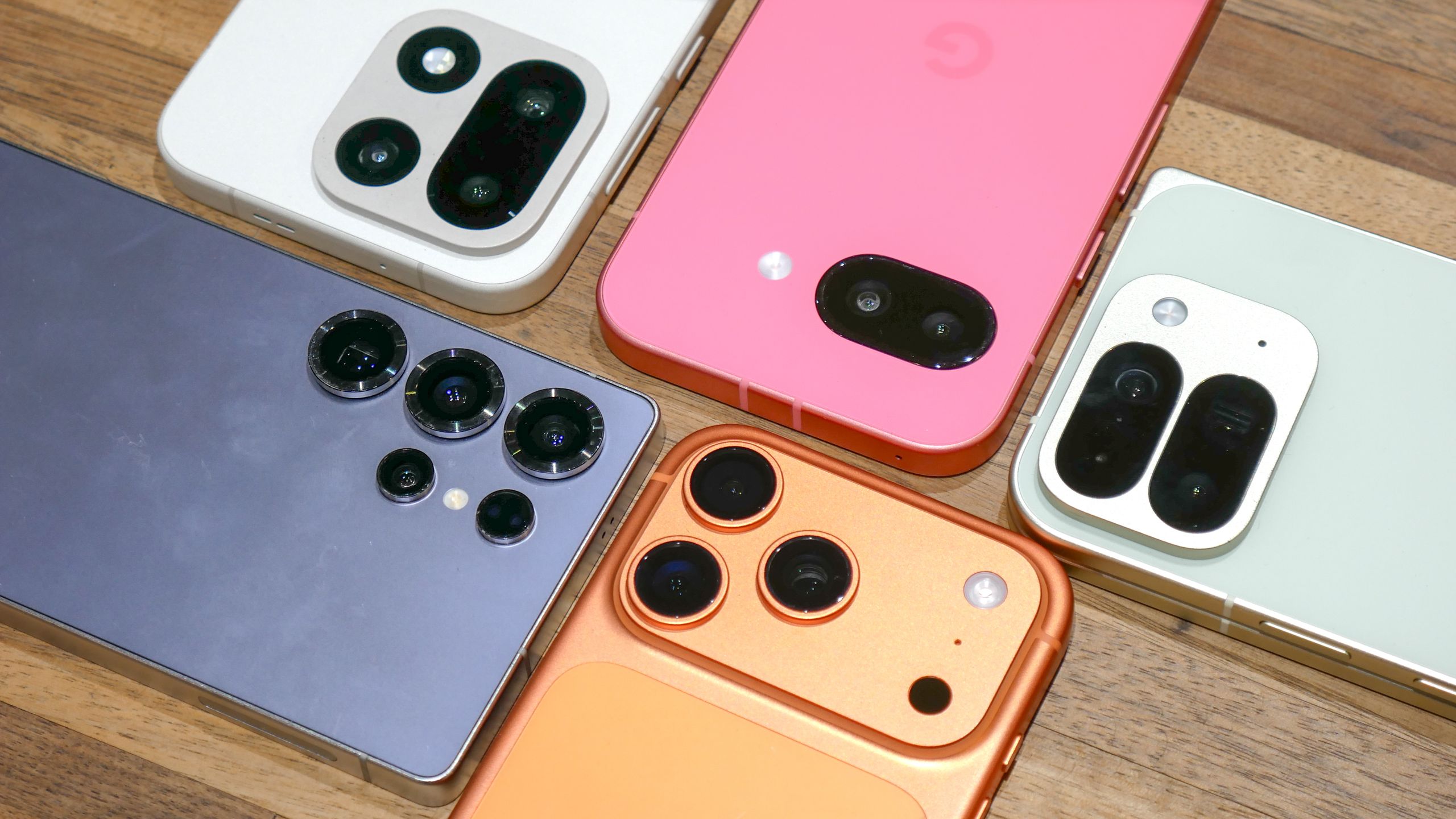
The memory shortage is no longer only a RAM and SSD problem. It is now affecting the smartphone display market too.
According to new data from UBI Research, smartphone OLED shipments fell 12 percent year over year in Q1 2026. Shipments reached 190 million units, which was also down 20 percent from Q4 2025.
The reason is simple. Memory prices are rising, smartphone makers are facing higher component costs, and demand for new phones is slowing. When phone brands expect weaker sales, they reduce orders for other parts too, including OLED panels.
That creates a chain reaction. AI data centers are consuming more DRAM and storage. That pushes memory prices higher. Higher memory costs make smartphones more expensive to produce. Slower demand then forces brands to cut production plans, which hurts display suppliers.
Here is the current OLED market picture:
| Company | Smartphone OLED market share |
|---|---|
| Samsung Display | 44 percent |
| BOE | 16 percent |
| LG Display | 9 percent |
Samsung remains the clear leader. Its scale gives it more room to absorb weaker demand while still holding a dominant position. LG Display has a smaller share at 9 percent, but its position may improve later this year if new iPhone panel orders arrive as expected.
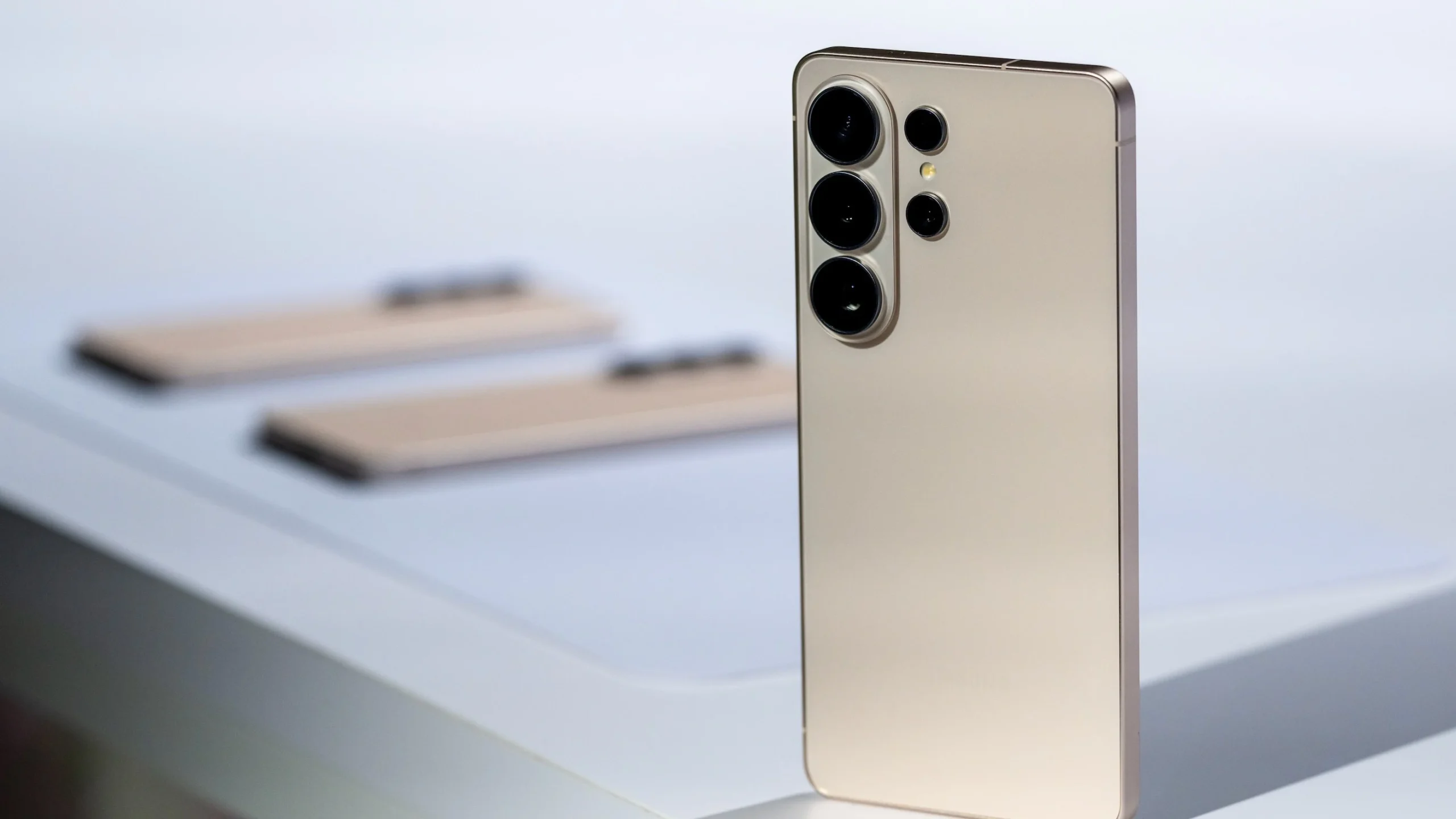
BOE is also gaining ground. The Chinese display maker now holds 16 percent of the smartphone OLED market, helped by its lower cost panels. That matters because phone makers are looking for ways to reduce costs as memory prices rise.
BOE still has challenges, especially around production quality and consistency. Apple has reportedly treated BOE more as a backup supplier in the past because of those issues. But the current cost pressure gives BOE a real opportunity.
Samsung may even use BOE technology for the base Galaxy S27 to reduce component costs. That would show how far the memory shortage is spreading through the smartphone supply chain. It is not just making RAM more expensive. It is changing decisions around displays, suppliers, and product planning.
The situation shows how one bottleneck can affect an entire industry. DRAM shortages start in data centers, then raise costs for phones, then weaken phone demand, then reduce OLED orders.
For consumers, this could mean fewer cheap upgrades, higher smartphone prices, or more brands using lower cost components to protect margins. For suppliers, it means the winners may not only be the biggest names, but also the companies that can offer acceptable parts at lower prices.
The memory crisis has become a full supply chain problem, and smartphone OLED shipments are now one of the clearest signs of that ripple effect.


Discussion (0)
Be the first to comment.