



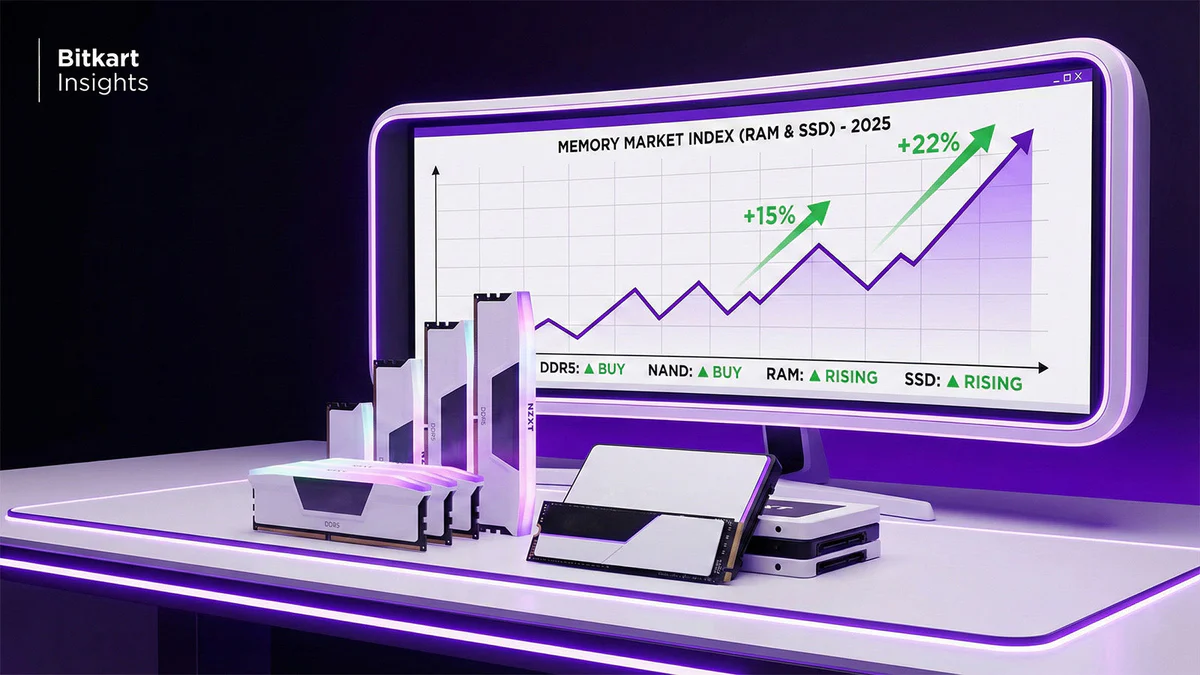
Memory prices may not fall quickly, even if supply gets better. A research note from Korea Investment & Securities says AI demand has changed the market in a deeper way, mainly because memory is now tied directly to how efficiently AI systems run.
The basic idea is simple. More memory lets an AI GPU keep more data close to the processor. That means less time waiting for data to move from storage, better GPU use, and more tokens processed for the same expensive hardware. For hyperscalers, paying more for memory can still make sense if it lowers the cost of running AI models.
AI companies are buying memory for long term efficiency, not short term inventory
KIS says hyperscalers have placed long term memory orders because extra memory improves system level performance. This is different from a normal shortage, where prices usually ease once supply catches up. If memory keeps improving AI output, big companies may keep buying aggressively even after the tightest supply period passes.
That could keep DRAM prices high. The report says DRAM prices are already about three times higher year over year, and the usual expectation of a price drop may be too optimistic. The reason is that buyers are not only paying for chips. They are paying for better use of GPUs that cost far more than the memory attached to them.
| Memory area | Why demand may stay strong |
|---|---|
| DRAM | Helps AI systems keep more data close to GPUs |
| HBM | Critical for high bandwidth AI accelerators |
| NAND | Lower cost gives AI systems more storage flexibility |
| Advanced packaging | Needed to fit more memory into dense AI hardware |
NAND demand may also stay stronger than expected. Some expected NAND growth to reduce pressure on DRAM, but KIS argues the two markets may both remain tight. NAND is cheaper than DRAM, so demand can stay more flexible even when buyers need large amounts of capacity.
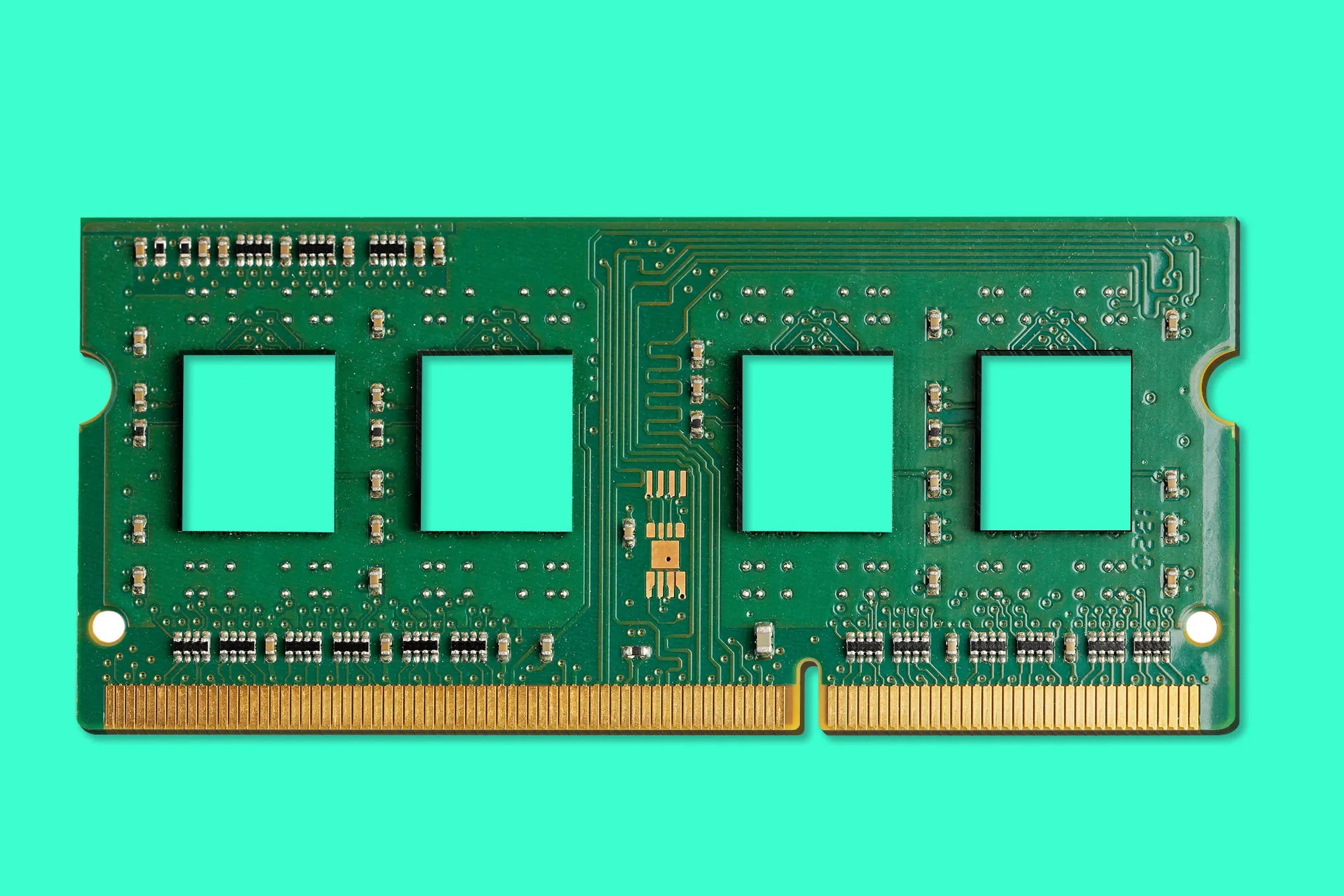
The report also points to more innovation in memory packaging. SK hynix and other companies are working on ways to stack more memory dies in a single package, including techniques like hybrid bonding. That matters because AI hardware needs more bandwidth, more capacity, and better power efficiency at the same time.
For PC buyers, this is not great news. If AI companies keep locking up memory capacity, normal RAM and SSD prices may stay painful for longer. It may affect laptops, desktops, graphics cards, handhelds, and storage upgrades.
The key point is that memory is no longer just a background component. In AI hardware, it directly affects output and cost efficiency. As long as that remains true, prices may not return to older levels quickly, even after supply looks healthier on paper.



Discussion (0)
Be the first to comment.