



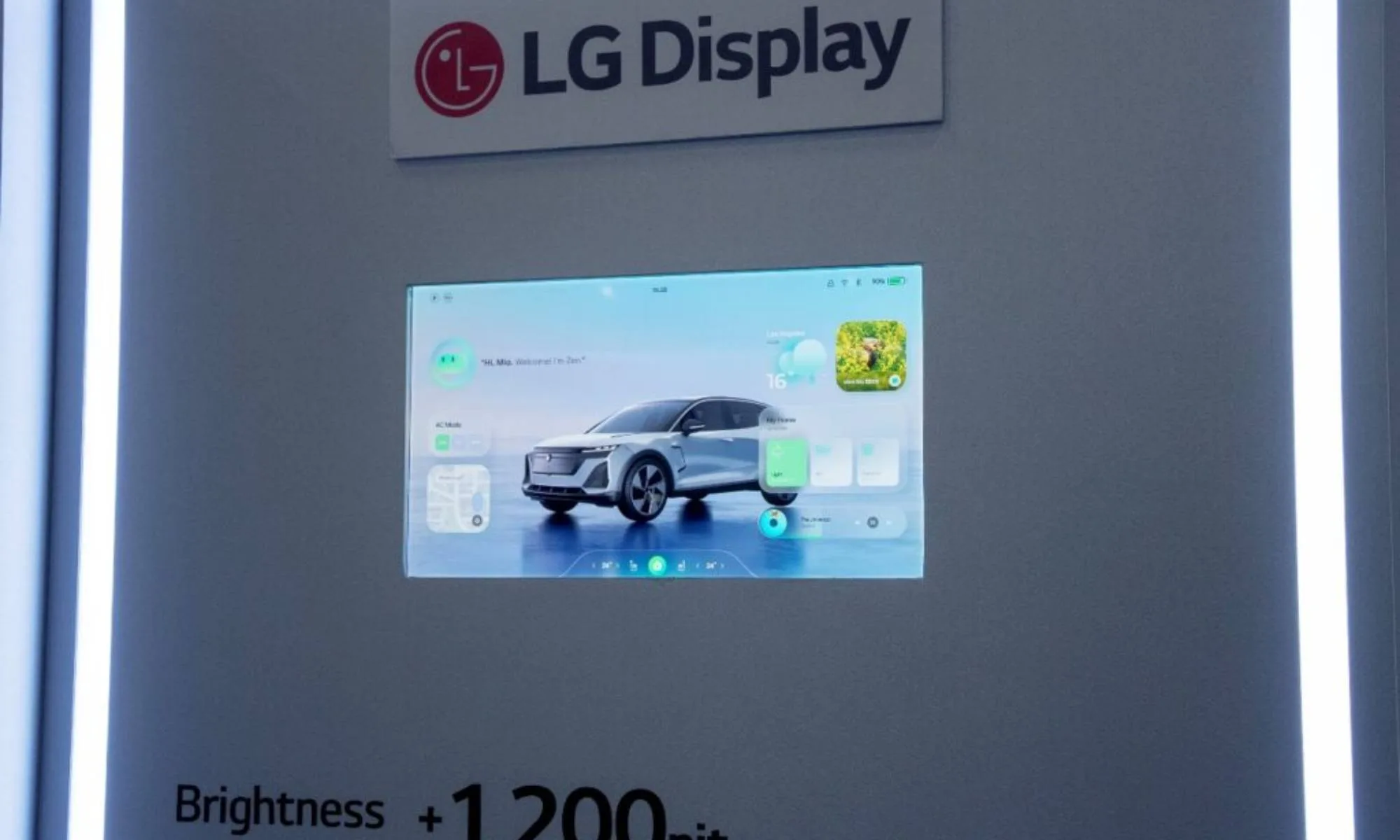
LG Display has shown its third generation Tandem OLED technology at SID Display Week 2026, with upgrades focused on efficiency, lifespan, and brightness. The company says the new panel reduces power consumption by 18% while offering almost twice the durability of earlier OLED designs.
That is important because OLED still has two main concerns in many devices: power use and long term wear. Better efficiency can improve battery life in laptops and tablets, while better durability makes OLED more practical for cars, monitors, and other screens that stay on for long periods.
Automotive displays are getting the technology first
One of the first uses for LG’s third generation Tandem OLED will be automotive displays. LG says an in car panel using the technology can reach 1,200 nits of brightness and last more than 15,000 hours at room temperature. Mass production for automotive panels is expected to begin this year.
| LG Display technology | Key detail |
|---|---|
| Third generation Tandem OLED | 18% lower power use and nearly double durability |
| Automotive Tandem OLED | Up to 1,200 nits brightness |
| Lifespan claim | More than 15,000 hours at room temperature |
| 5K RGB OLED panel | 220 PPI pixel density |
| 16 inch Tandem OLED for AI PCs | Thinner, lighter, and more efficient |
Cars are a good fit for this kind of panel because displays need to stay bright in daylight, survive heat and long use, and remain readable from different angles. LG is also exploring OLED for other automotive ideas, including a 57 inch pillar to pillar display.
The company also showed a 32 inch slidable OLED concept, which could point to expandable monitors or flexible work displays in the future. It is still a concept, but it shows where LG wants OLED to go beyond normal screens.
LG is also working on sharper OLED monitors and AI PC panels
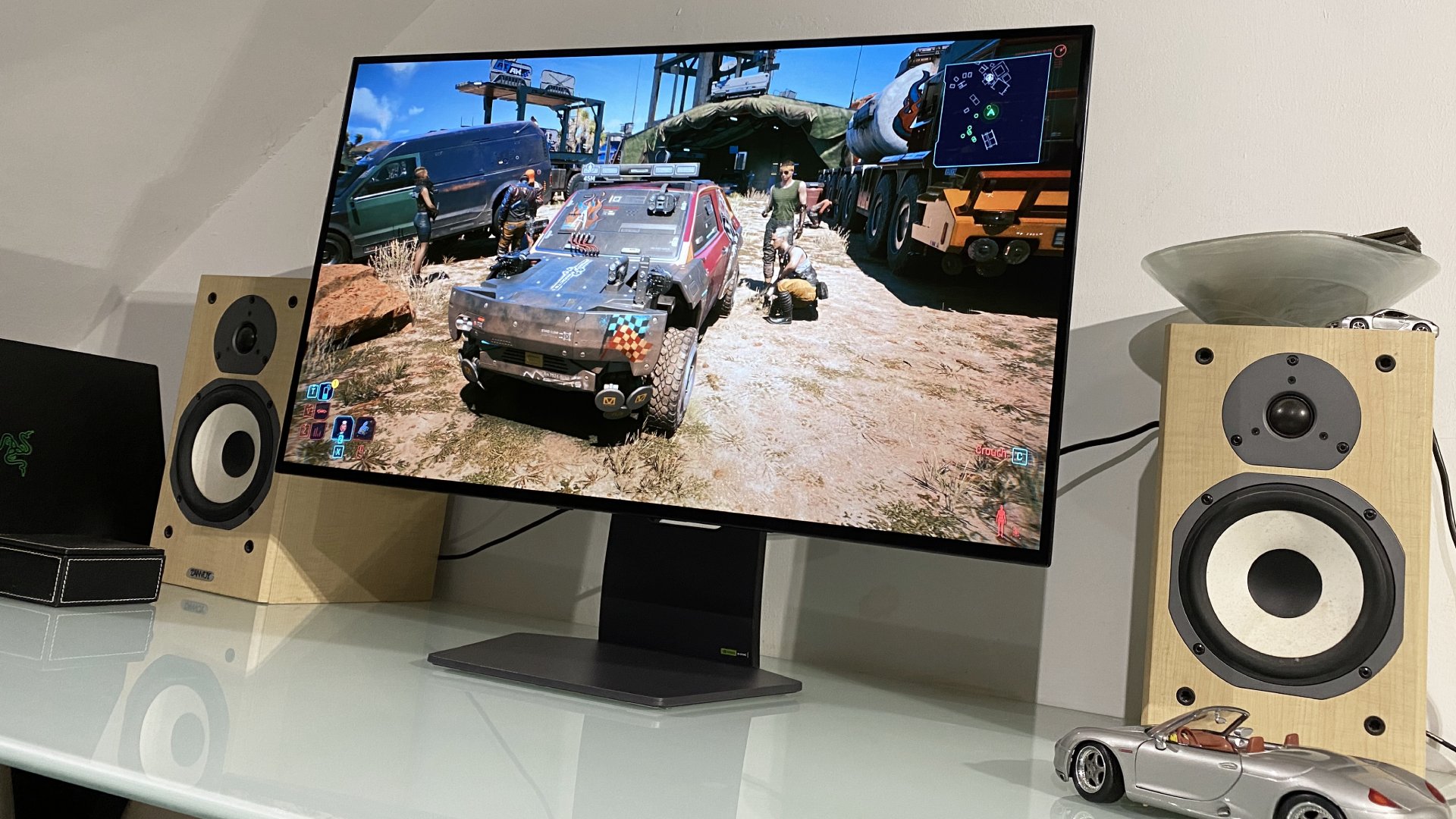
The 5K OLED monitor panel is another major part of the showcase. It uses an RGB stripe subpixel layout and reaches around 220 PPI. That is a meaningful improvement over the earlier 27 inch 4K OLED panel with 160 PPI. Higher pixel density and RGB stripe layout should help with text clarity, which has been a weak point for some OLED monitors.
For laptops, LG showed a 16 inch Tandem OLED panel aimed at AI PCs. It is thinner, lighter, and more power efficient than conventional OLED panels. LG says it can add about 2.3 hours of battery life compared with older OLED designs.
That could matter a lot for premium laptops. OLED gives better contrast and color, but it can hurt battery life depending on brightness and content. A more efficient Tandem OLED panel makes it easier for laptop makers to offer high quality screens without sacrificing as much runtime.
The bigger takeaway is that OLED is moving past simple brightness and contrast improvements. LG is now targeting practical weaknesses like power draw, durability, text clarity, and screen lifespan. If these panels reach consumer devices at scale, OLED laptops, monitors, and car displays could become easier to recommend.

Discussion (0)
Be the first to comment.