



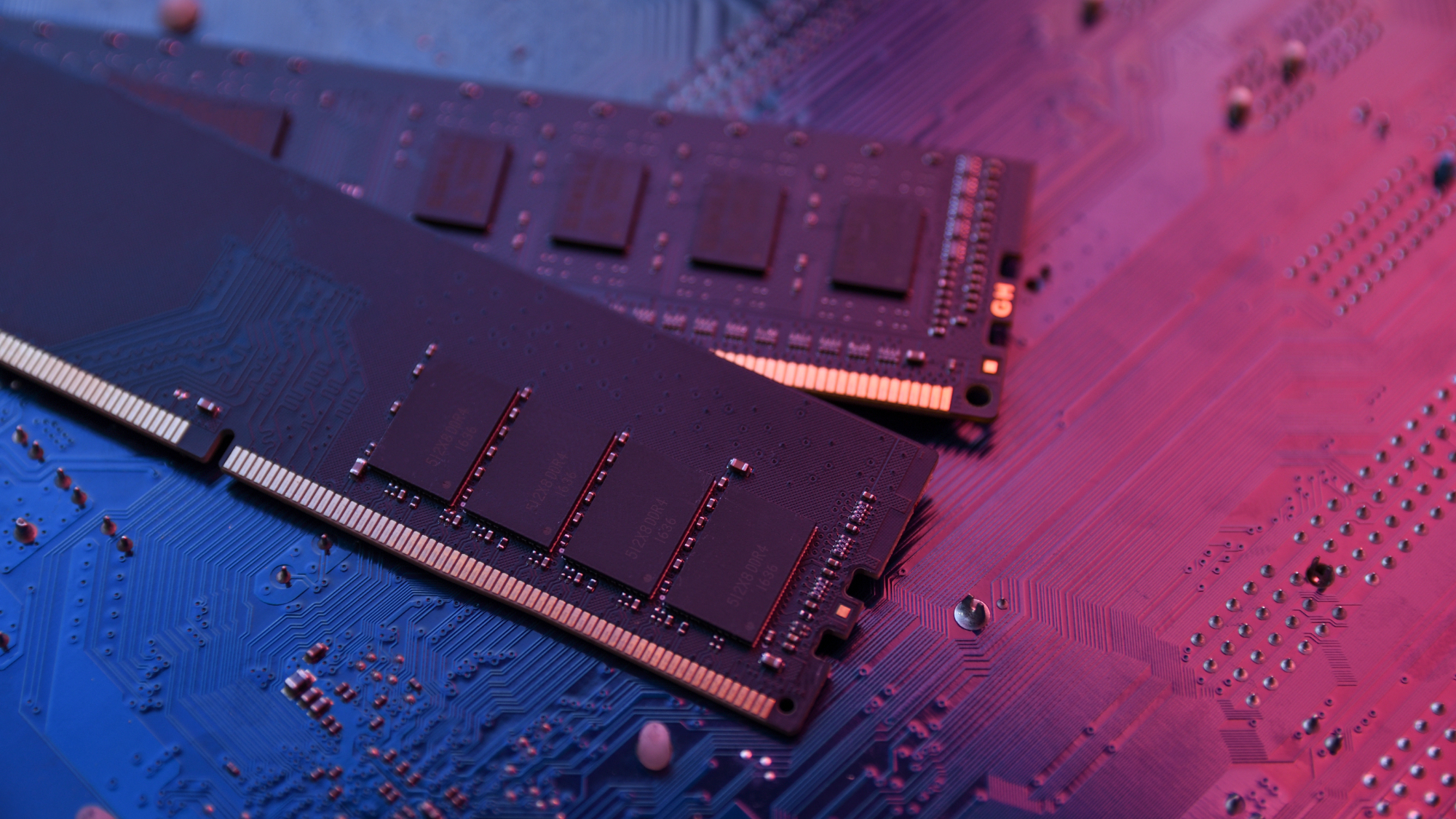
Lenovo believes the ongoing shortage of memory and storage components may last far longer than many PC buyers expect. The company reportedly told industry attendees that the unusually low prices seen in 2024 and early 2025 may not return soon, as AI data centers continue to absorb large amounts of DRAM, NAND flash, and high bandwidth memory.
The warning matters for anyone planning to buy a laptop, desktop PC, server, or upgrade kit. RAM and SSD prices have already increased across many markets, and Lenovo expects the pressure to continue even after additional memory manufacturing capacity begins to arrive later in the decade.
The company’s view is that the memory industry has changed. Demand from AI infrastructure is no longer a short term spike, and suppliers are increasingly focused on higher margin products used in data centers rather than lower cost consumer memory.
AI Demand Is Reshaping the Memory Market
Modern AI systems need enormous amounts of memory. Large data centers use high bandwidth memory alongside powerful accelerators, but they also require huge amounts of conventional DRAM and storage across servers, networking systems, and supporting infrastructure.
Memory makers are directing more production capacity toward products that bring higher returns. This can reduce the supply available for mainstream DDR5, LPDDR5, and NAND storage used in consumer laptops, desktops, phones, and game consoles.
Lenovo’s message is not that prices will rise forever. Memory markets have historically moved in cycles, with periods of oversupply followed by shortages. However, the company expects the return to lower prices to take much longer than buyers may hope.
| Factor | Effect on memory pricing |
|---|---|
| AI data center expansion | Increases demand for DRAM, NAND, and high bandwidth memory |
| Higher margin enterprise products | Encourages suppliers to prioritise data center memory |
| New manufacturing capacity | May help later, but demand could absorb much of it |
| Expensive server configurations | Raises the cost of fully populating modern memory channels |
| Consumer device demand | Adds pressure across laptops, consoles, phones, and DIY PCs |
Fully Equipped Servers Are Becoming More Expensive
Lenovo also highlighted a growing problem for server buyers. New server platforms are supporting more memory channels per processor, which can improve performance but also make fully populated systems far more expensive.
A dual socket server platform with 16 memory channels per processor could require around 1TB of RAM just to fill every channel with relatively modest capacity modules. That means memory is becoming a much larger part of the total cost of deploying new infrastructure.
For companies building data centers, this creates an incentive to rethink where workloads run. Some tasks may become more attractive on GPU accelerated systems, where high bandwidth memory attached to accelerators can reduce the amount of traditional system DRAM needed in the host server.
Consumer PC Buyers May Feel the Impact for Years
The same market forces affecting servers can eventually reach consumer hardware. Laptop makers may offer lower memory configurations at higher prices, while desktop builders could see more expensive DDR5 kits and SSDs.
RAM and storage may become more important considerations when choosing a new system. Buyers who expect to keep a laptop or desktop for several years may want to avoid entry level memory configurations, especially when upgrades are limited or impossible later.
Lenovo’s outlook is still a prediction, not a guarantee. New factories, weaker demand, or changes in AI spending could shift the market. But for now, the company expects the RAM shortage to remain a major issue well beyond 2026, with memory prices unlikely to return quickly to the lows seen before the current AI driven demand surge.



Discussion (0)
Be the first to comment.