



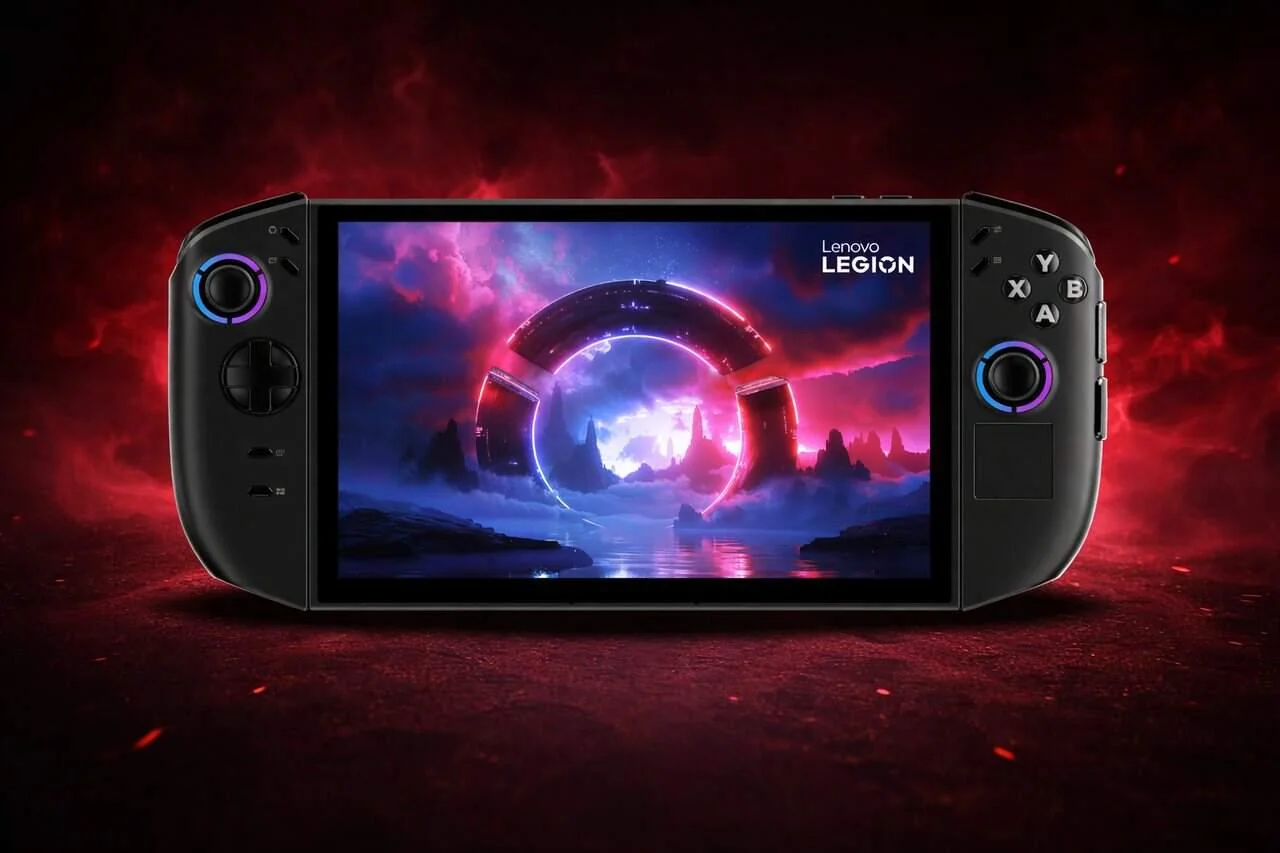
Lenovo’s Legion Go 2 has become the latest example of how rising component prices are making portable PC gaming harder to afford. The handheld was already a premium device at launch, but new retail listings have pushed it far beyond normal enthusiast pricing, with one listing showing the device at $2,349.99.
That is more than $1,000 above Lenovo’s original $1,349.99 MSRP. Even Best Buy’s lower listing of $1,999.99 still keeps the handheld at a painful $650 premium. Lenovo’s own US store now lists the Legion Go 2 as no longer available, which suggests supply remains tight and shoppers are being pushed toward expensive third party listings.
The bigger issue is not only Lenovo. The entire gaming hardware market is being squeezed by rising demand for memory and storage. AI companies are buying huge amounts of RAM and NAND for data centers, leaving fewer parts available for consumer devices such as gaming handhelds, laptops, desktops, and consoles. That demand has pushed prices higher across the supply chain.
| Device or product | Current pricing concern |
|---|---|
| Lenovo Legion Go 2 | Listed as high as $2,349.99 |
| Best Buy Legion Go 2 listing | Around $1,999.99 |
| Original Legion Go 2 MSRP | $1,349.99 |
| ROG Xbox Ally | Still listed at $599.99 |
| Steam Deck | Recently affected by stock issues and price hikes |
| AYANEO NEXT 2 | Reportedly difficult to sell because of rising costs |
The Legion Go 2 is not a budget product, and it was never meant to be one. It is a high end Windows handheld built for people who want strong portable PC gaming performance, a large screen, flexible controls, and access to a huge PC game library. But there is a difference between premium pricing and pricing that feels detached from reality.
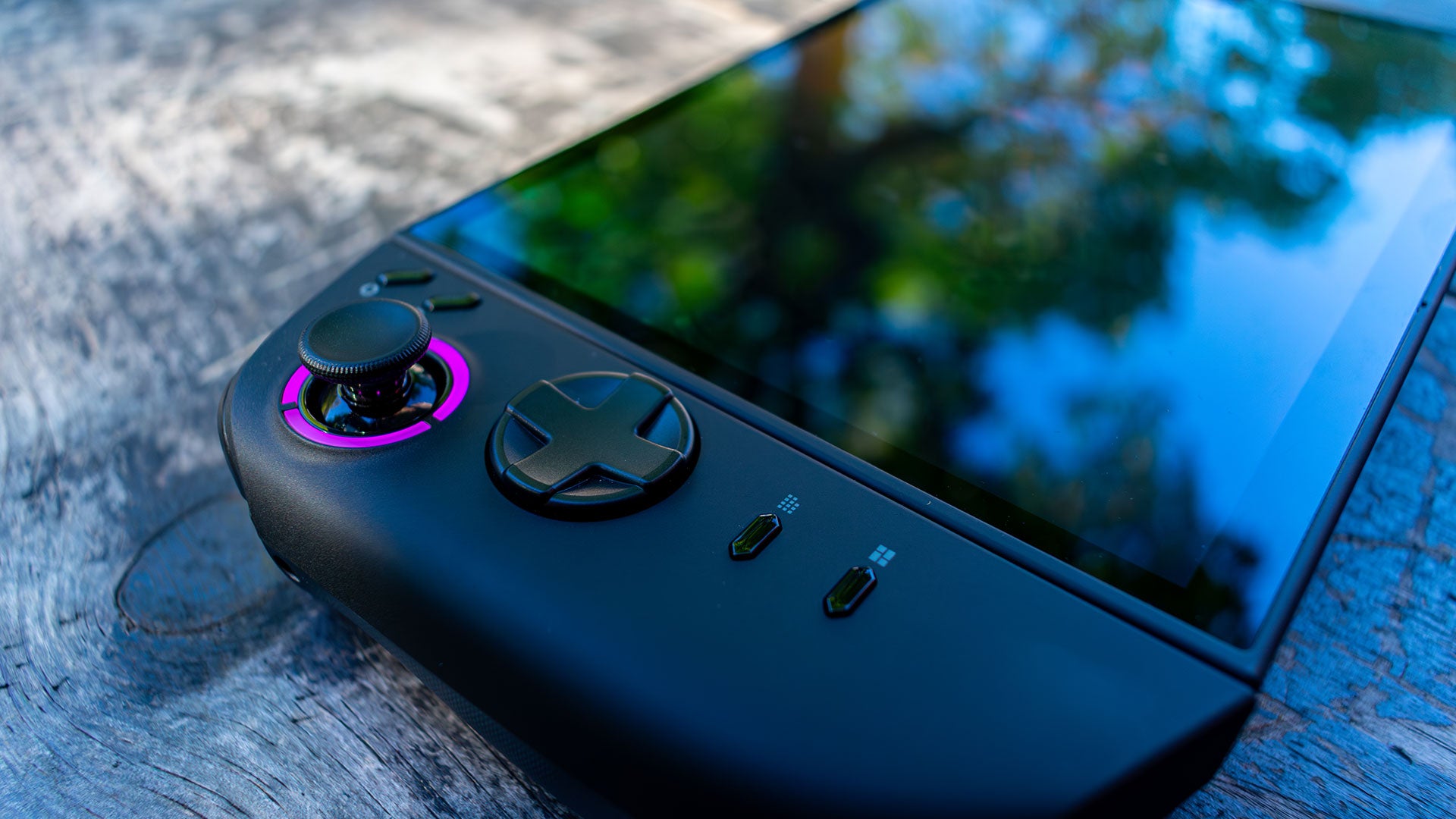
At more than $2,000, the Legion Go 2 starts to compete with full gaming laptops and powerful desktop PCs. That makes the value argument much harder. A handheld has portability on its side, but most buyers will struggle to justify spending that much on a device that still has the usual limits of battery life, thermals, screen size, and handheld ergonomics.
This is especially frustrating because the Legion Go 2 appears to be a strong device. It is Lenovo’s answer to the modern handheld gaming wave, offering a more flexible PC based alternative to traditional portable consoles. For players who want a Nintendo Switch style form factor with access to PC games, the idea is attractive.
The problem is that the market around it is becoming hostile. Memory, SSDs, and other components are no longer following the normal pattern where prices slowly fall over time. Instead, the AI boom is pulling parts away from consumer hardware. That affects everything from custom gaming PCs to prebuilt systems and handhelds.
Handheld gaming was supposed to be one of the more practical answers to expensive desktop builds. A device like the Steam Deck proved that portable PC gaming could reach a wider audience if the price was reasonable. But if newer handhelds keep climbing toward laptop level prices, the category risks becoming another enthusiast niche.
Windows handhelds have improved in recent months. Xbox mode and better console style interfaces have made the experience smoother than before. That helps devices like the Legion Go 2, ROG Xbox Ally, and MSI Claw feel more usable. But better software cannot fully fix a hardware market where prices keep rising.
The ROG Xbox Ally may now look more attractive simply because it remains much cheaper. At $599.99, it offers a more realistic entry point for portable Windows gaming, even if it does not match the highest end devices in raw specs. In a market where premium handhelds are becoming harder to justify, affordability may become the winning feature.
The Legion Go 2 price jump is a warning sign for the whole category. Portable PC gaming has never been more exciting, but it is also becoming more expensive at the wrong time. If AI demand keeps pushing memory and storage prices higher, handheld makers may have to choose between cutting specs, raising prices, or delaying products.
For gamers, that means the dream of powerful portable PC gaming is starting to feel less accessible. The technology is improving, but the prices are moving in the wrong direction. Lenovo’s Legion Go 2 may still be an impressive handheld, but at more than $2,000, it also shows how quickly the future of portable gaming can become unaffordable.



Discussion (0)
Be the first to comment.