



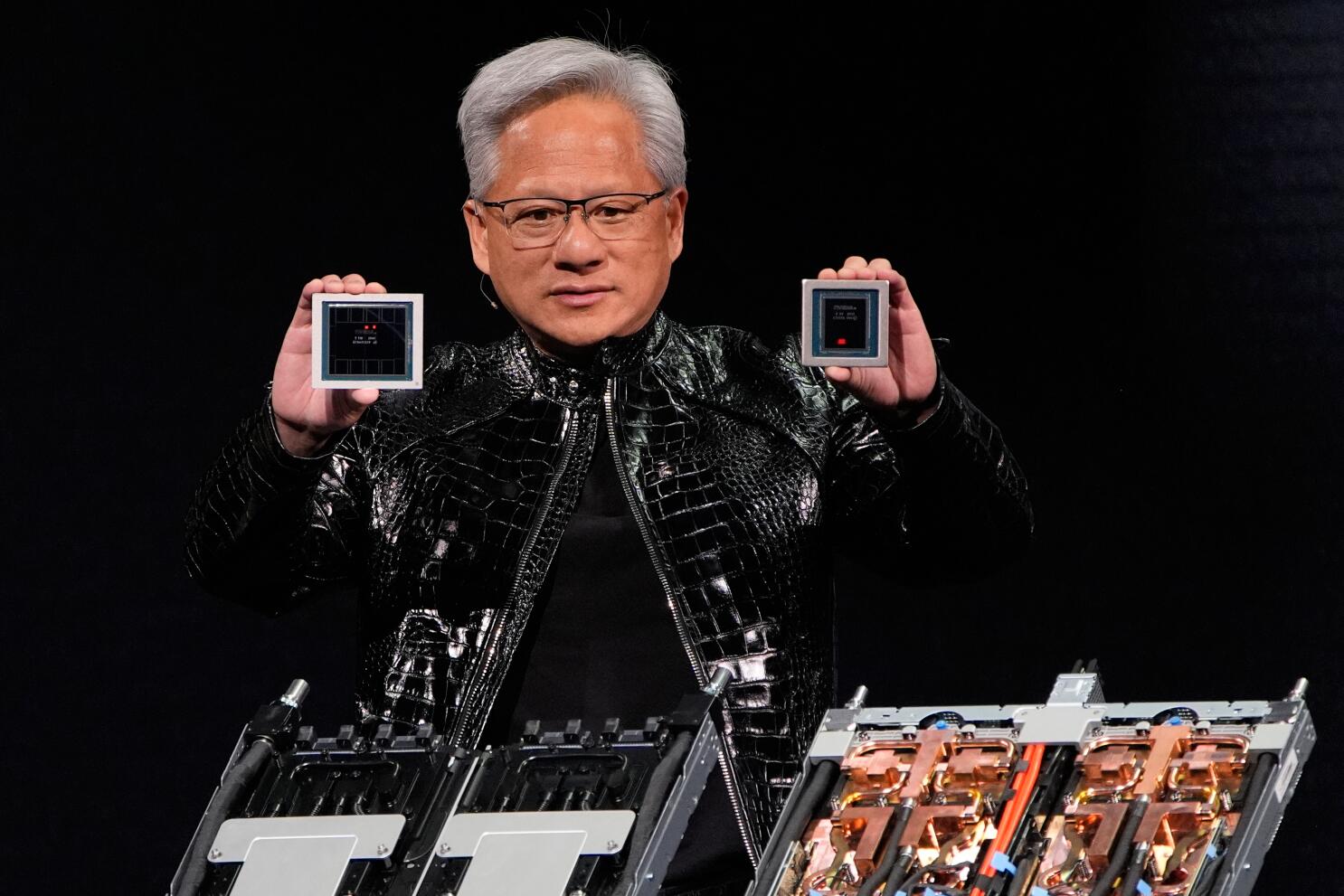
NVIDIA CEO Jensen Huang is pushing back against the idea that AI will simply wipe out human jobs. In a recent discussion, he argued that AI can help the US economy grow by bringing back manufacturing, building new AI factories, and creating demand for more skilled workers.
His main point is that people often confuse a task with a job. For example, writing code is one task software engineers do. Huang says the real purpose of software engineering is solving problems, building new systems, finding better ideas, and creating useful products. If AI writes more of the basic code, engineers may spend more time on the work around it.
NVIDIA still needs engineers, even as AI writes more code
Huang said he does not want young people to avoid software engineering because of AI fears. In his view, AI tools can automate parts of the work, but companies still need people who understand what to build, how to guide the tools, and how to solve problems that do not have clear answers yet.
That is an important distinction. AI may reduce some repetitive work, but it also increases how much software companies can attempt. Huang argues that the world does not need only a fixed amount of code. If AI makes coding faster, companies may try to build more products, systems, and services.
| Topic | Jensen Huang’s view |
|---|---|
| Software jobs | AI changes tasks, but does not remove the need for engineers |
| US economy | AI could bring large manufacturing investment |
| New jobs | AI factories and chip production could create skilled work |
| China policy | NVIDIA’s China market share has dropped to zero |
| US strategy | America should keep attracting global AI researchers |
Huang also tied AI to manufacturing. NVIDIA has committed heavily to building more of its AI supply chain in the US, including chip plants, packaging plants, computer plants, and AI factories. He says this could lead to large investment and many high skill jobs.
The more difficult part of his comments was about China. Huang said NVIDIA’s share in China has dropped to zero because of US policy changes. He warned that this may not make strategic sense because Chinese companies are filling the gap quickly. Huawei is one example, with domestic AI hardware gaining ground as NVIDIA loses access.
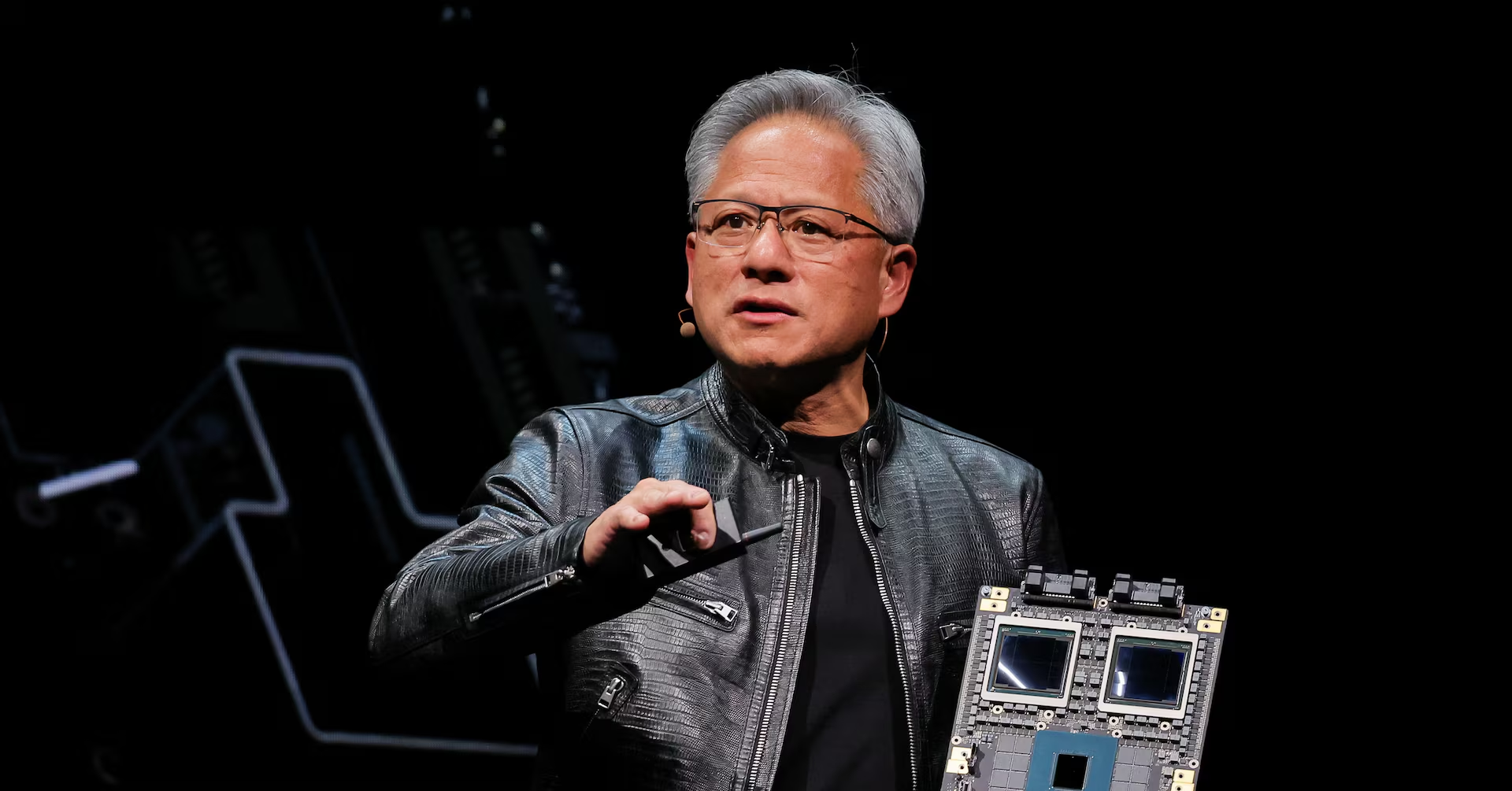
Huang also noted that China has major strengths in energy infrastructure and AI research talent. He said the US remains ahead in leading chip technology, but China is close behind in AI model work because it has a large pool of researchers. His view is that US policy should stay flexible and continue attracting top AI talent from around the world.
The message is partly economic and partly strategic. Huang wants the US to treat AI as a chance to build more industry at home, while also avoiding policies that push large markets and talent pools away from American companies.
His argument will not end the job debate. AI is already changing work, and some roles will likely shrink or shift. But Huang’s position is clear: the bigger risk is not that AI writes code. The bigger risk, in his view, is that people stop training for technical jobs at the same time companies need more skilled workers to build the next wave of AI systems.



Discussion (0)
Be the first to comment.