



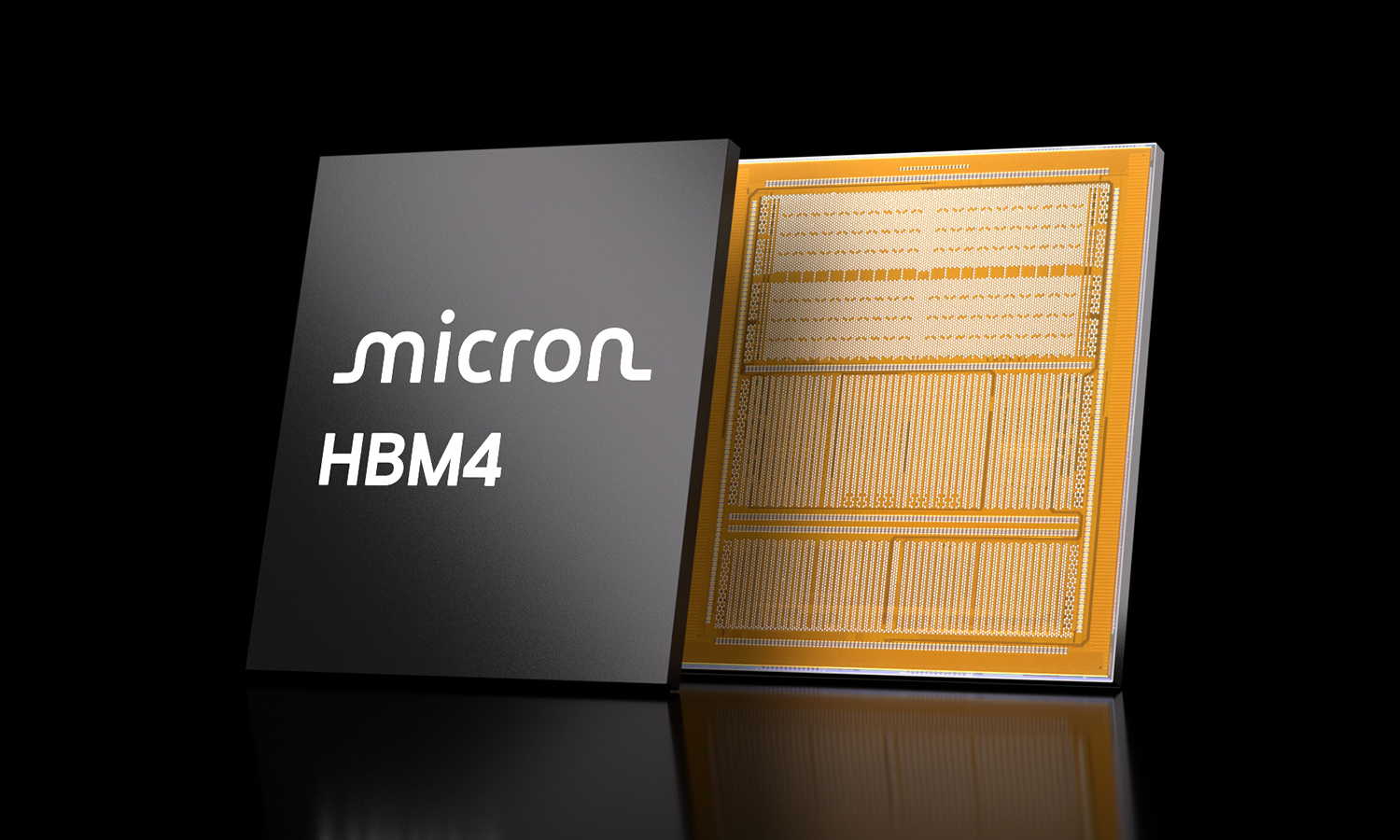
JEDEC has approved SPHBM4, a new memory standard designed to make HBM class performance available without relying as heavily on the costly advanced packaging used by current HBM products. The standard could give AI and high performance computing hardware makers a more practical way to add very high bandwidth memory to future chips.
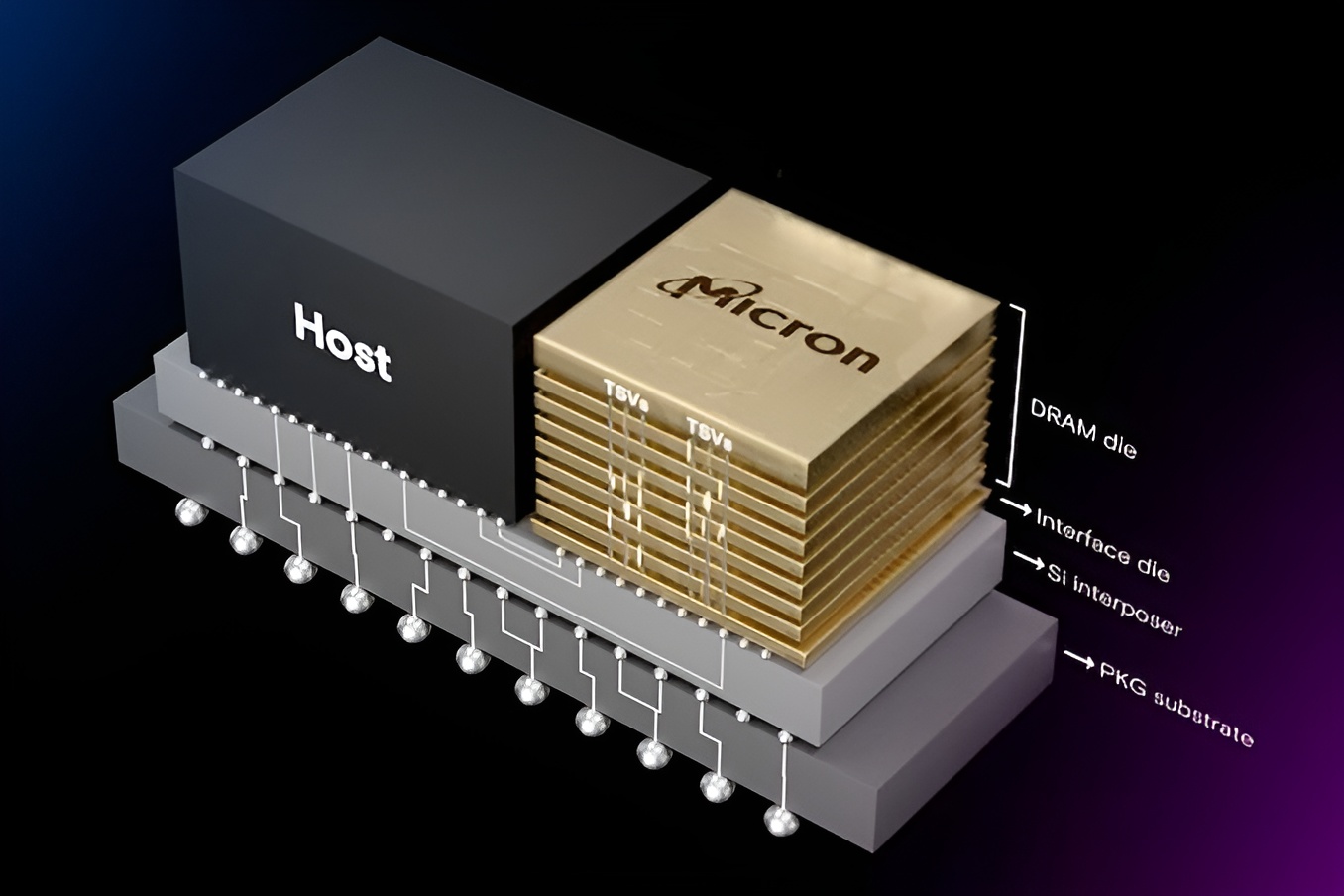
HBM has become essential for many advanced AI accelerators, data center GPUs, and high performance computing systems. It provides extremely high bandwidth by stacking memory dies and placing them close to the processor. However, that design requires complex packaging technology, expensive substrates, and advanced manufacturing processes that are difficult to scale.
SPHBM4, short for Standard Package HBM4, is intended to reduce some of these manufacturing barriers. It aims to retain much of the bandwidth associated with HBM4 while using a standard package structure and fewer signal pins.
SPHBM4 Uses Faster Signals to Offset Fewer Connections
The new standard reduces the number of signal pins used to connect the memory and compute die. Normally, fewer pins would reduce the available bandwidth, but SPHBM4 addresses that by increasing signal speed.
The design reportedly increases signal speed by four times while using only one fifth of the signal pins compared with a traditional HBM4 implementation. This allows the standard to maintain HBM class bandwidth without requiring the same level of advanced packaging.
SPHBM4 also changes the physical connection between the memory and the compute die. The larger spacing could help improve thermal management inside high power packages, which is important for AI chips that run under heavy workloads for long periods.
| Feature | Traditional HBM4 | SPHBM4 |
|---|---|---|
| Package design | Advanced memory packaging | Standard package approach |
| Signal pin count | Very high | Reduced to around one fifth |
| Signal speed | Standard HBM4 rate | Up to four times faster |
| Main target | Premium AI and HPC accelerators | Wider range of high performance systems |
| Thermal flexibility | Limited by close package layout | Potentially improved with more spacing |
| Cost outlook | High due to complex packaging | Expected to be lower |
A New Option for AI Chips Facing Memory Supply Pressure
The timing of SPHBM4 is significant because demand for HBM continues to rise faster than supply. AI companies need large numbers of advanced accelerators, while memory manufacturers are balancing demand from data centers, consumer products, and enterprise systems.
Current HBM products require specialized packaging capacity, and that capacity can become a bottleneck even when enough memory dies are available. SPHBM4 could reduce dependence on those limited packaging resources by allowing high bandwidth memory to work with more conventional package designs.
This does not mean SPHBM4 will replace traditional HBM4 in every high end AI accelerator. The fastest systems may still need the maximum bandwidth and density that advanced HBM packaging provides. However, the new standard could be useful for products that need strong memory performance without the full cost and complexity of top tier HBM implementations.
Glass Substrates Could Become Part of the Long Term Plan
SPHBM4 may also work well with glass substrates, which are being explored as an alternative to traditional organic substrates. Glass can offer better flatness, thermal stability, and finer wiring for larger semiconductor packages.
The technology is still developing, and broad commercial adoption is not expected immediately. However, the combination of standard packaged high bandwidth memory and glass substrates could create a more scalable path for AI hardware in the future.
SPHBM4 shows that the industry is looking for ways to reduce the cost and packaging pressure around high bandwidth memory. As AI workloads continue to grow, memory technology will remain one of the most important limits on how quickly new accelerators can be built and deployed.



Discussion (0)
Be the first to comment.