



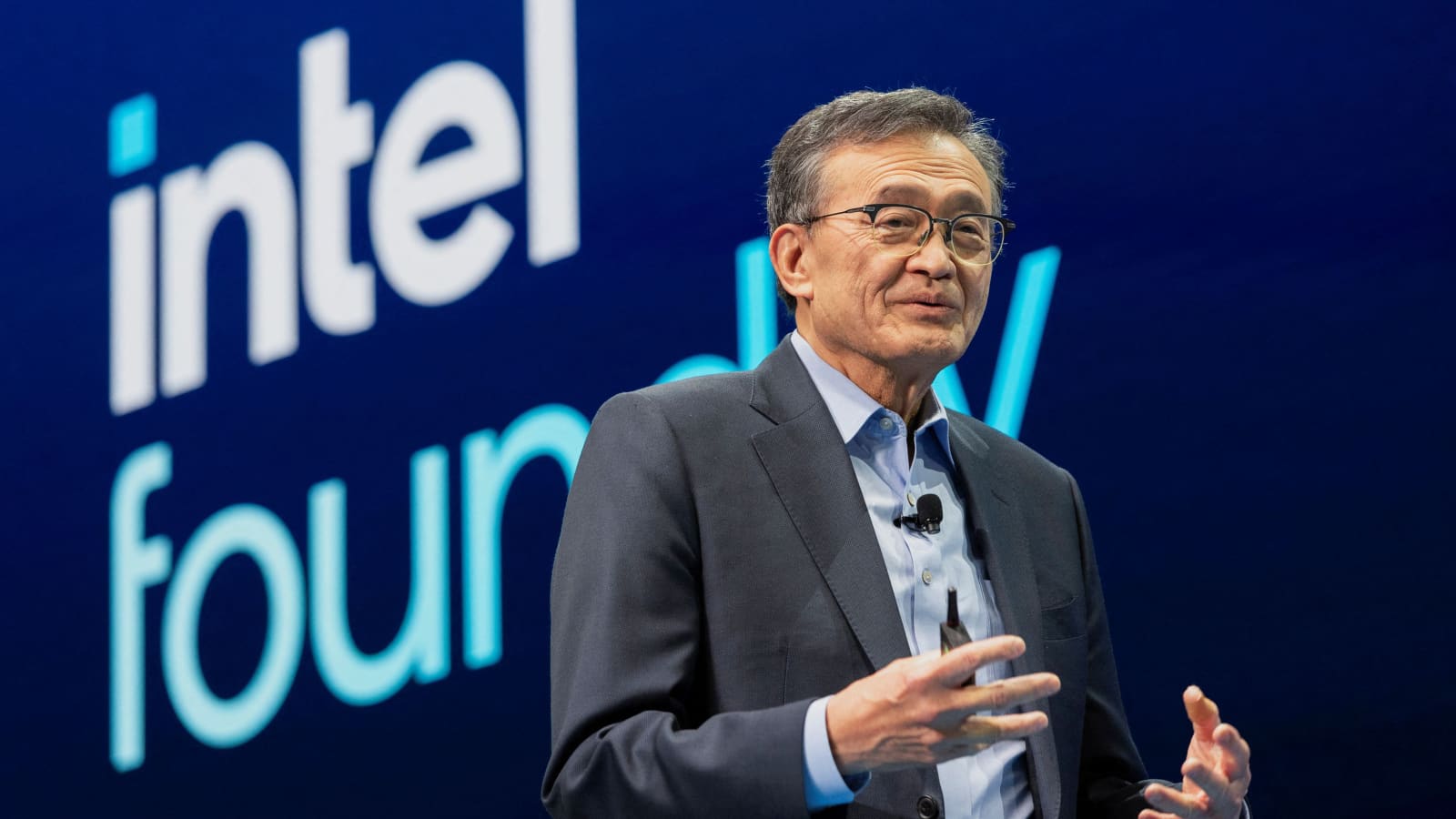
Intel CEO Lip Bu Tan has admitted that the company lost its leadership in the data center market and is now trying to rebuild by changing how the company works internally. In a new interview, Tan said Intel made mistakes over the years and needs a sharper engineering focus to regain ground against AMD and other rivals.
The comments are notable because Intel once dominated server CPUs. That position has weakened over time as AMD gained share with EPYC processors and as the AI boom shifted more attention toward GPUs and accelerators.
Tan said Intel “used to have leadership in data center” but lost it over the years. To fix that, he has brought back former employees and is putting more attention on product lines, engineering decisions, and customer feedback.
A major part of the turnaround plan is reducing internal silos. Tan said Intel previously had too many reporting layers and too much separation between teams. He has now asked engineers to report to him more directly so he can better understand product problems, customer needs, and roadmap mistakes.
| Area | What Intel is changing |
|---|---|
| Data center strategy | Rebuilding after losing server leadership |
| Engineering structure | More direct reporting to Lip Bu Tan |
| Internal culture | Fewer silos and less fragmented decision making |
| Product roadmap | Simplifying and redesigning products |
| Manufacturing | Improving Intel 18A yield month by month |
| Talent | Bringing back former Intel workers |
Intel’s server decline shows how serious the problem became. In early 2019, Intel reportedly held about 91 percent of both server unit share and server revenue share. By the third quarter of 2025, its server unit share had fallen to 72 percent, while revenue share dropped to 61 percent.
That drop matters because data center CPUs remain a core business even as AI accelerators dominate headlines. Tan has argued that agentic AI could increase demand for CPUs, not reduce it, because more AI systems will need general purpose compute alongside GPUs.
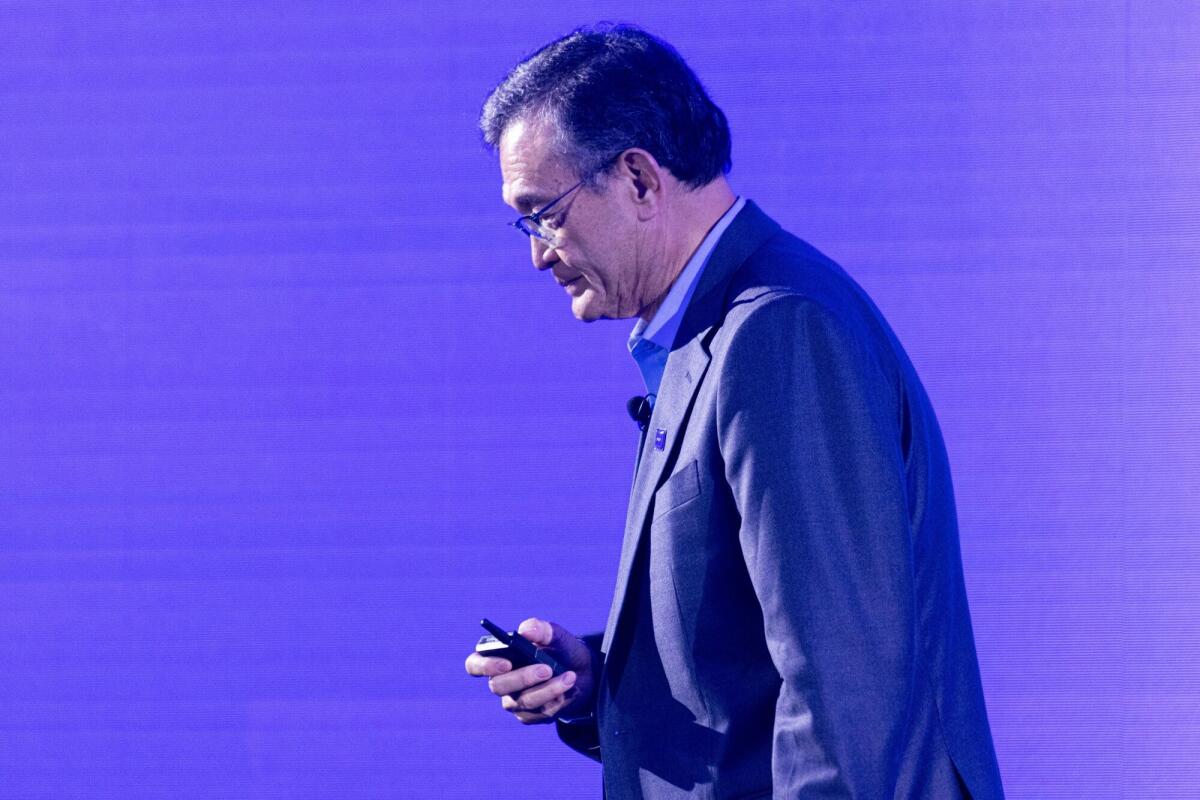
Tan also discussed Intel’s 18A manufacturing process, which is important to the company’s foundry ambitions. He said the yield was not satisfactory when he took over, but he is now seeing monthly improvement. He described 7 percent to 8 percent yield improvement per month as best practice and said Intel is now reaching that kind of progress.
The 18A process is especially important because Intel wants to become a serious foundry for external customers, not only a company that builds its own chips. Reports have also linked Intel 18A to future Apple chip production, making yield progress even more important.
Tan’s comments show a different tone from Intel’s previous leadership. Instead of focusing only on long term ambition, he is openly acknowledging past mistakes and trying to simplify the company’s internal structure.
The challenge is that Intel is trying to fix several problems at once. It needs stronger data center CPUs, better execution in manufacturing, a more competitive foundry business, and a clearer role in the AI hardware market. At the same time, AMD, NVIDIA, TSMC, and other rivals are not slowing down.
Intel’s share price has improved sharply this year, suggesting investors are giving Tan some early credit. But the real test will be product execution. If Intel can turn better engineering focus into stronger chips and reliable manufacturing, the company may have a real path back.
For now, Tan’s message is clear: Intel knows it lost ground, and the recovery starts by removing internal barriers, listening more closely to customers, and building better products faster.

Discussion (0)
Be the first to comment.