




A real text from the U.S. Postal Service never contains a link, and it only arrives if you asked for tracking first. Any delivery text that breaks either rule is fake.
That rule comes from the Postal Inspection Service's smishing page, as read on November 25, and late November is when it matters most. Fake package delivery problems were the most reported text scam of 2024, a year when people told the FTC they lost $470 million to scam texts.
The wider picture is worse. People filed 3 million fraud reports with the FTC in 2025 and reported $15.9 billion in losses, up from over $12 billion the year before. More of them were first contacted by text than any other way, according to an FTC alert from May 2026.
So if you are waiting on gifts, how do you tell the real message, store or payment request from the fake one in a few seconds? Four official rules settle most cases, and none of them needs any tech skill.
How to spot a fake USPS text about a missed delivery
The fake usually reports a small problem, such as unpaid postage or a missed delivery, and offers a link to fix it, as the FTC describes it. Many people paid a small "redelivery fee" that was really a way to collect their card number, or even their Social Security number.
Now hold the message against the rule. If you never signed up for USPS text tracking with a tracking number, the Postal Service has no reason to text you. If the message carries a link, it did not come from USPS.
The Postal Service repeated the warning on November 24 for its 2026 holiday campaign, "Don't Get Hit by Holiday Crime". Do not click links or share personal details in reply to texts that claim to come from USPS. "If you're uncertain about unexpected requests for money or personal information, pause before you do anything," said U.S. Postal Inspector Nick Moore.
Expecting a parcel? Check it at usps.com yourself. If you already tapped the link, the Inspection Service says to tell your bank, even if you never pressed "submit".
What to do with a UPS or FedEx delivery text you did not expect
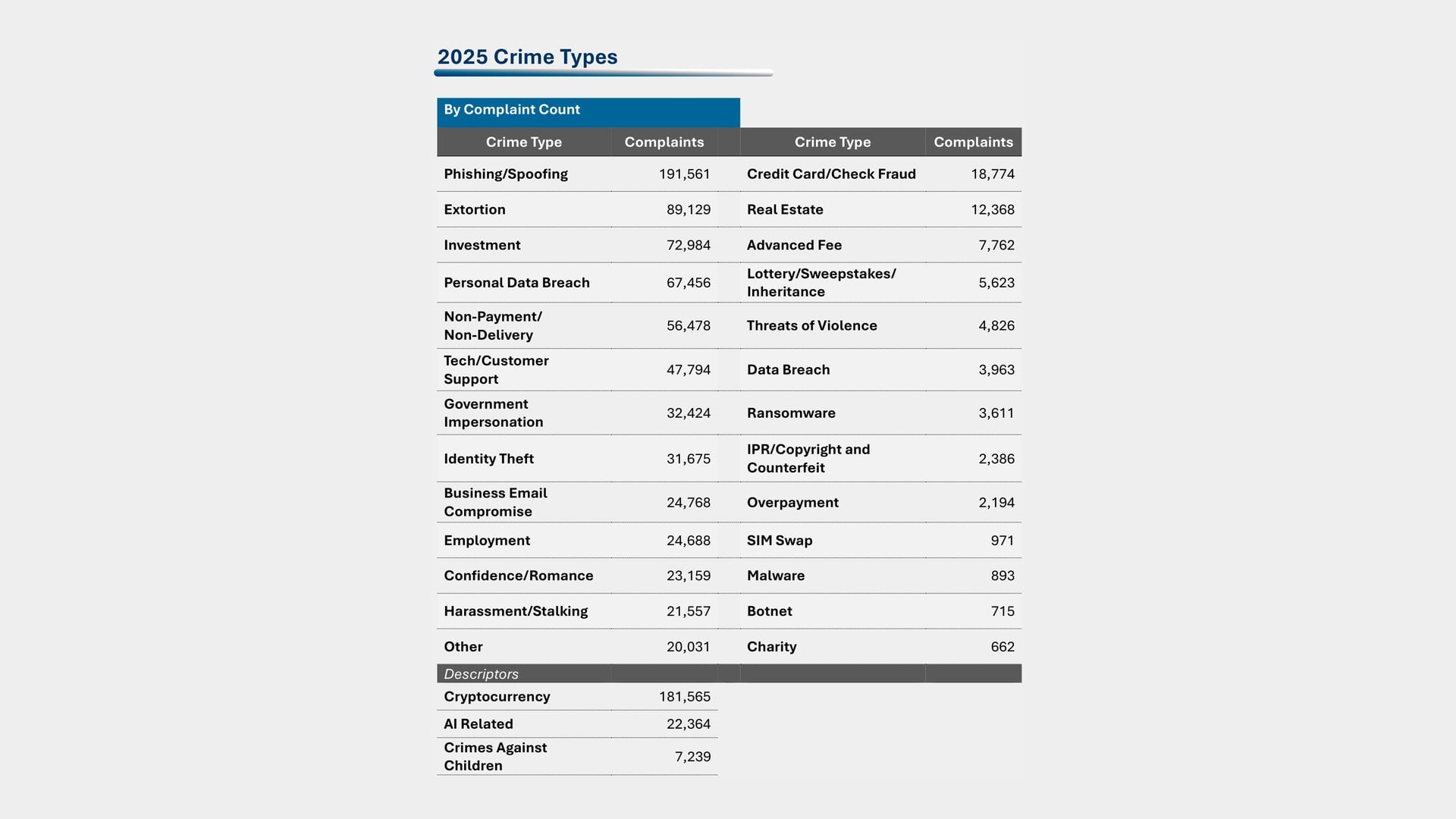
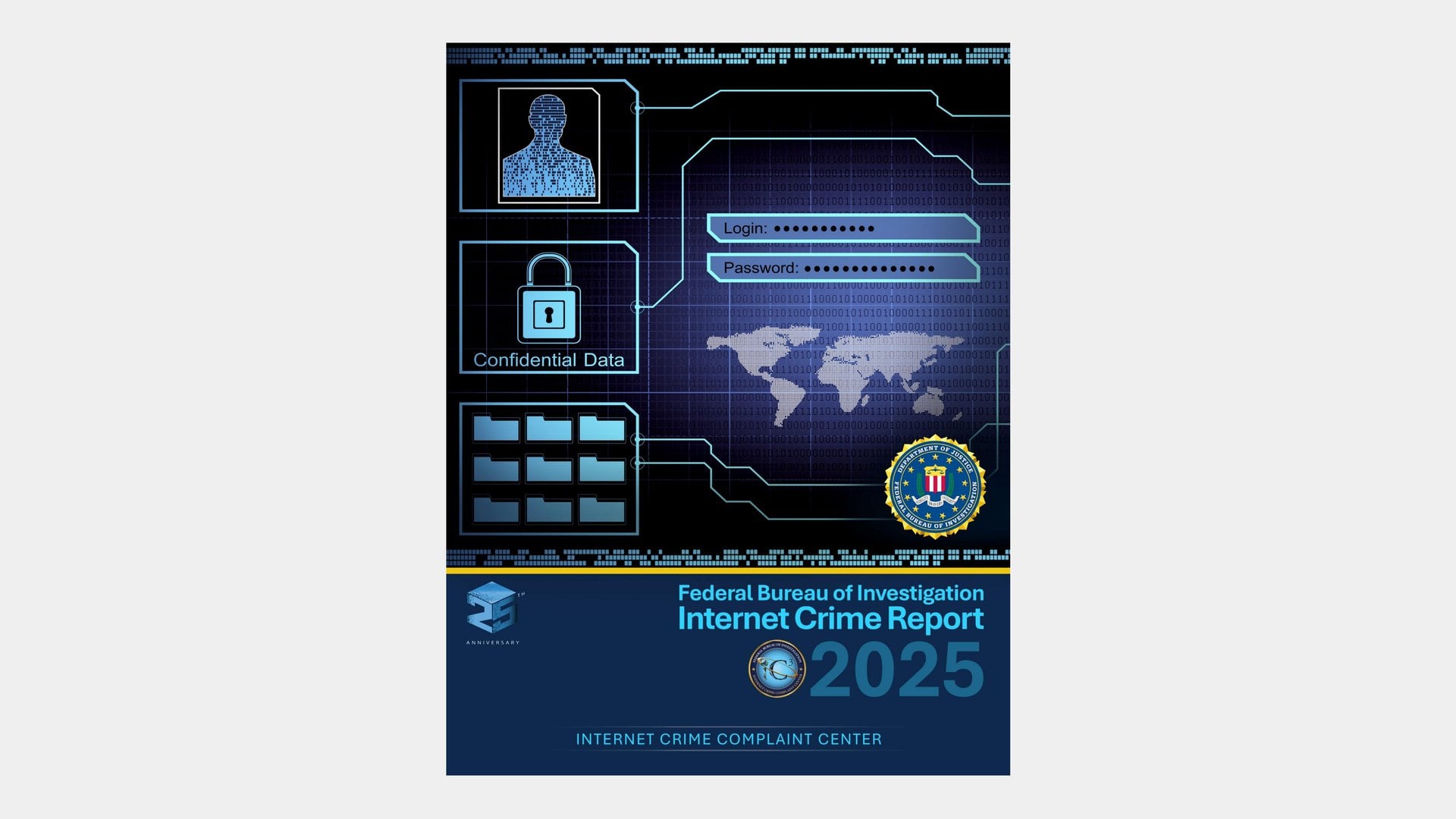
Scammers borrow every carrier's name, not only the Postal Service's. The FBI's 2025 Internet Crime Report defines phishing and spoofing as unsolicited emails, texts and calls posing as a legitimate company. It was the most reported crime of 2025, with 191,561 complaints.
Reported losses in that category tripled in a year, from $70.0 million in 2024 to $215.8 million in 2025. Those are only the cases people reported to the FBI.
The first rule therefore stretches to any carrier: never use the link or the phone number inside the message. The FTC's advice is to check shipping and tracking on the retailer's website, or in the account where you placed the order. If you know the carrier's web address, type it into the browser yourself.
That one habit beats every lookalike page, because the scam only works if you walk in through the scammer's door.
How to tell a fake shopping site from a real holiday deal
The second rule: find the store yourself, never through an ad. In an alert dated November 19, the FTC warned that scammers buy paid search ads that can sit near or even above those of real companies. Its advice is short: "Scroll past the top results."
Social media ads carry the same trap. Brand-name products at "unusually low prices" can lead to a site built to take your money in exchange for a counterfeit, according to the FTC's 2025 holiday shopping alert. Before buying from a store you do not know, search its name with words like "review", "complaint" or "scam".
The figures show how often the package never comes. More than 40% of people who lost money to a social media scam in 2025 said it started when they ordered something, FTC data from April 2026 shows. Most paid for things that simply never arrived, from clothes and beauty products to auto parts and dogs.
The FBI logged 56,478 non-payment and non-delivery complaints in 2025, with $503.4 million in reported losses. On the buyer's side, that category is the plain version of the scam: you pay, and the goods never show up or turn out to be worse than promised.
Even postage gets faked. Counterfeit stamps sell online at 20 to 50 percent below face value, often in bulk through social media and marketplaces, the Postal Service warns. Buy them at a Post Office, on usps.com or from an approved retailer.
Real sales run on dates the big retailers announce in advance. Amazon's Black Friday Week runs November 19 to 30, and the 2026 sale dates for Walmart, Best Buy, Target and other stores are just as public. A "secret" sale on a site you have never heard of deserves extra suspicion.
Why anyone who demands a gift card payment is a scammer
The third rule is the bluntest. "No real business or government agency will ever tell you to buy a gift card to pay them," according to the FTC's gift card scam guide. It holds whether the caller claims to be the IRS, tech support, a utility or a relative in trouble.
The same goes for wire transfers, payment apps and cryptocurrency. If a seller insists on any of them, the FTC says it is probably a scam.
If you already paid, speed matters. Report it to the gift card company right away, and keep the card and the store receipt. Gift cards are still fine as presents bought at the register; how Steam gift cards work shows what the normal purchase looks like.
Pay with a credit card and report scam texts to 7726
The fourth rule protects you when the first three fail. "Pay by credit card, when possible," the FTC advises, because a card lets you dispute a charge for an item that never arrived, arrived wrong or damaged, or was billed twice.
Reporting is quick. Copy the scam text and forward it to 7726, which spells SPAM on a phone keypad, so your carrier can block similar messages, per the FTC's guide to spam texts. Many messaging apps also have an option to report junk or spam.
Then file a report at ReportFraud.ftc.gov. A fake store that took your money can also be reported to the FBI at ic3.gov. For a fake USPS text, the Inspection Service takes reports at [email protected], with a screenshot showing the sender's number and the date.
None of this depends on spotting typos or judging a logo. A carrier text with a link, a store you reached through an ad, and a demand for gift cards are each enough on their own. When one shows up, close it, open the real app or site yourself, and check there.
Discussion (0)
Be the first to comment.