




Halo: Campaign Evolved attracted a much larger share of players on Xbox than on PlayStation 5 during its launch period, according to new engagement data.
On July 28, the game ranked fourth for daily active players across Xbox platforms in the United States. Around 8 percent of active Xbox players launched it that day.
Its performance was weaker elsewhere. Halo: Campaign Evolved ranked 14th on Steam, reaching about 2 percent of active players, and placed 29th on PlayStation 5 with approximately 1 percent.
The figures suggest that the remake or reimagining appealed most strongly to the existing Xbox audience, where Halo has decades of history and remains one of Microsoft’s most recognisable franchises.
Its limited reach on PlayStation also raises questions about whether bringing the series to Sony’s console provided enough commercial benefit to justify weakening Halo’s traditional association with Xbox.
Launch Engagement Varied Sharply by Platform
Halo: Campaign Evolved performed well enough on Xbox to compete with established multiplayer and live service games during its launch week.
The PlayStation result was much lower, despite the release giving the franchise access to a large new audience. Only 1 percent of active PlayStation players reportedly opened the game on July 28.
| Platform | Daily active player rank | Share of active players |
|---|---|---|
| Xbox | 4th | 8% |
| Steam | 14th | 2% |
| PlayStation 5 | 29th | 1% |
These figures measure engagement on a specific day rather than total sales. They do not show how many copies were purchased, how long people played, or whether interest improved later.
Even with those limits, the gap between Xbox and PlayStation is substantial. Xbox engagement was eight times higher as a share of active players.
The result supports the view that most early demand came from established Halo fans rather than people discovering the series for the first time.
Halo’s Xbox Identity Complicated the PS5 Release
Halo has been closely linked to Xbox since the original console launched in 2001.
Master Chief became one of the platform’s defining characters, and the series helped establish Xbox as a credible competitor in the console market. Releasing Halo on PlayStation therefore represented a significant change in Microsoft’s publishing strategy.
Microsoft had previously expanded several Xbox properties to competing consoles as it searched for additional revenue. Forza performed strongly under that approach, but not every franchise has generated the same response.
Halo’s weaker PlayStation engagement suggests that a famous Xbox name does not automatically translate into broad demand from Sony’s audience.
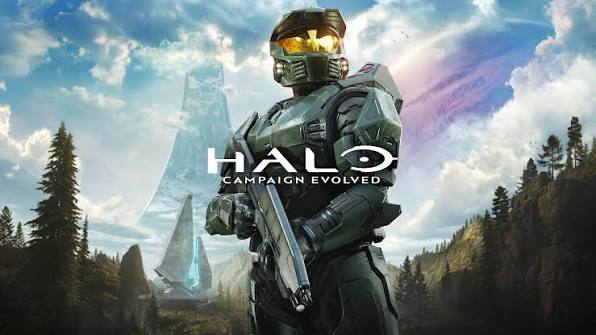
PlayStation players already have access to a large number of major shooters, action games, and live service titles. A campaign focused Halo release without multiplayer may have struggled to attract attention outside its traditional community.
The decision may also have reduced one of the reasons to remain invested in Xbox hardware. Exclusive games help give each platform a distinct identity, even when releasing elsewhere could produce additional short term sales.
The Absence of Multiplayer May Have Limited Interest
Halo: Campaign Evolved launched without multiplayer, which narrowed its appeal.
The original Halo became important partly because of its campaign, but multiplayer later developed into a central part of the franchise. Many players associate the series with competitive matches, cooperative modes, Forge tools, and long term online communities.
A campaign only release may attract people interested in nostalgia and the story while offering less value to players seeking a lasting multiplayer game.
The title also faced debate over its visual direction and changes made to the original experience. Some players welcomed the updated presentation, while others questioned whether the project preserved the tone and design of the earlier game.
| Possible factor | Effect on engagement |
|---|---|
| No multiplayer | Reduced long term and competitive appeal |
| Strong Xbox history | Greater interest from existing console fans |
| Limited PlayStation connection | Fewer nostalgic or established players |
| Art direction changes | Divided opinion among longtime fans |
| Crowded shooter market | Harder to gain attention from new audiences |
| Unclear franchise roadmap | Reduced confidence in future support |
These issues do not prove why the PS5 version performed poorly, but they provide context for the platform difference.
Halo’s Wider Direction Remains Unclear
The campaign release arrived during continued uncertainty about the future of Halo.
A multiplayer focused project reportedly known as Project Ekur, previously associated with the name Tatanka, was recently cancelled. Microsoft has not publicly detailed a replacement or provided a clear long term roadmap for the series.
Halo has gone through several creative changes, including new development leadership, technology changes, and repeated attempts to redefine its direction.
The television adaptation also received criticism and did not provide the same positive boost that other game adaptations have delivered for their franchises.
These developments have left Halo in a difficult position. It remains widely recognised, but recognition does not guarantee the same cultural importance or player excitement it held during earlier Xbox generations.
The strong Xbox launch engagement shows that a loyal audience remains. The weaker numbers on Steam and PlayStation suggest that rebuilding broader interest will require more than expanding platform availability.
Future Halo Games May Return to Xbox Exclusivity
Microsoft’s approach to exclusives appears to be changing again under new Xbox leadership.
Gears of War: E-Day is expected to remain exclusive to Xbox platforms rather than following the earlier multiplatform strategy. If that direction continues, future Halo games may also stay within the Xbox and Windows ecosystem.
Returning Halo to exclusive status would strengthen its role as part of the Xbox identity. However, exclusivity alone would not solve the franchise’s larger problems.
Microsoft still needs to deliver a clear creative direction, strong gameplay, reliable technical quality, and a release plan that gives players confidence in the series.
A successful new Halo may require a complete package with campaign, multiplayer, cooperative features, and long term support. It would also need to respect the qualities people associate with earlier games without relying entirely on nostalgia.
The July 28 engagement data shows that Halo still matters to Xbox players. It also shows how difficult it is to create demand on another platform simply by releasing a familiar name there.
Halo: Campaign Evolved reached a meaningful audience on Xbox, but its limited PlayStation engagement suggests that Microsoft gained little from taking one of its most important brands outside its traditional ecosystem.



Discussion (0)
Be the first to comment.