



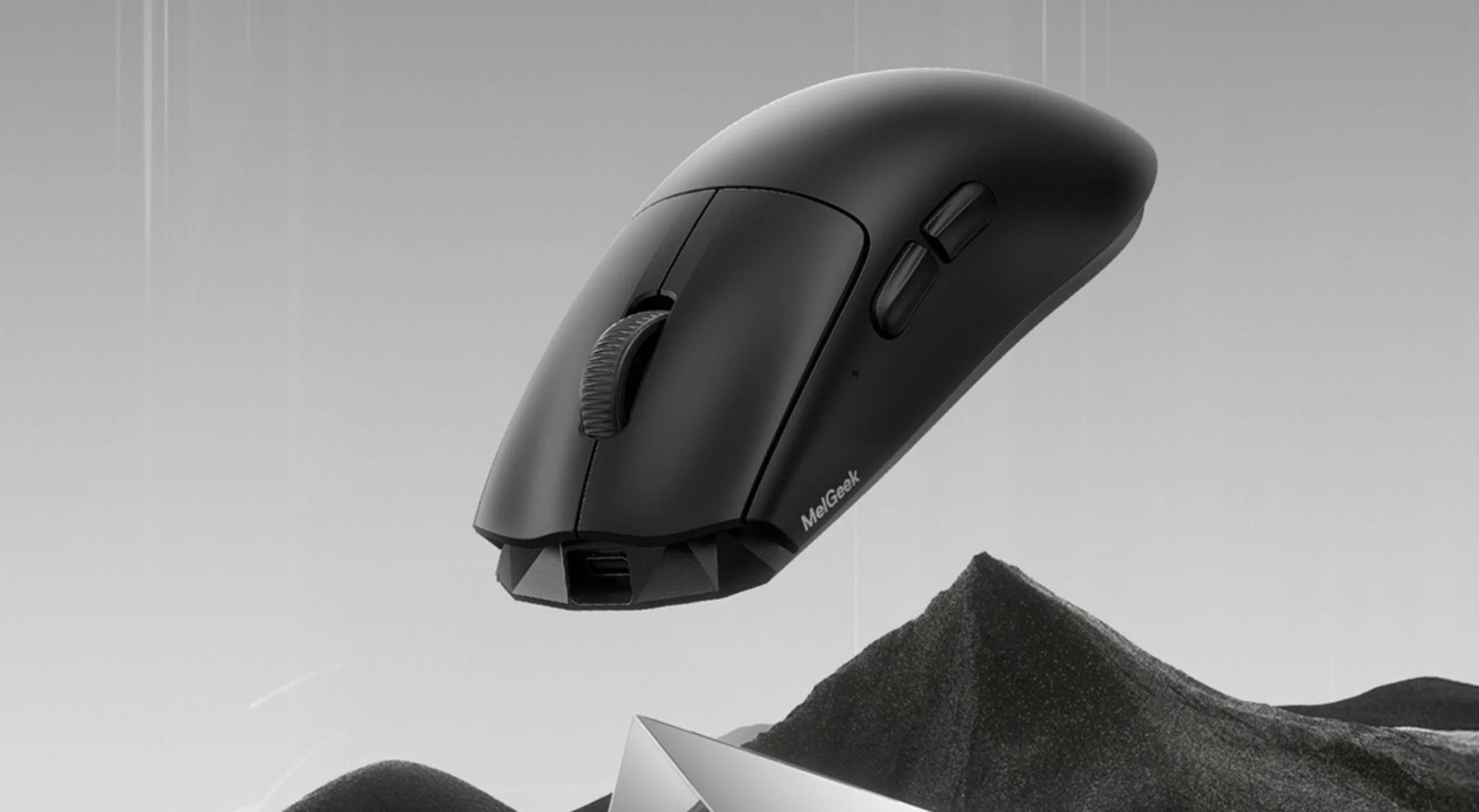
A gaming mouse experiment comparing polling rates from 125 Hz to 8,000 Hz found that higher polling rates did not consistently improve aim, while switching to a lower DPI produced a much clearer benefit.
The test used the Asus ROG Harpe II Extreme Edition 20, which supports up to 65,000 DPI and an 8,000 Hz polling rate. Aimlabs Gridshot Ultimate was used to measure accuracy and speed across different settings.
The main takeaway was that 1,000 Hz remained the most comfortable and consistent polling rate, while 800 DPI produced the best overall scores.
Polling rate alone did not guarantee better results
Polling rate determines how often a mouse reports its position to a PC.
A 125 Hz mouse sends an update every 8 milliseconds, while an 8,000 Hz mouse can report every 0.125 milliseconds.
In theory, a higher polling rate reduces input delay. In practice, the experiment showed that the benefit was difficult to translate into consistently higher aiming scores.
At 1600 DPI, results varied significantly across polling rates.
| Polling rate | Score at 1600 DPI |
|---|---|
| 125 Hz | 58,612 |
| 250 Hz | 51,065 |
| 500 Hz | 57,027 |
| 1,000 Hz | 57,232 |
| 2,000 Hz | 53,244 |
| 4,000 Hz | 52,215 |
| 8,000 Hz | 58,441 |
The highest score came at 125 Hz, closely followed by 8,000 Hz, which makes it difficult to argue that higher polling rate automatically produced better aim.
The tester still preferred 1,000 Hz because it felt the most natural during play.
High DPI made polling rate differences easier to notice
The effect of polling rate became more obvious at 4,000 DPI.
At this sensitivity, lower polling rates made cursor movement harder to track visually. The 125 Hz setting felt particularly difficult because the mouse was moving quickly while position updates were relatively infrequent.
The scores also showed a clearer upward trend as polling rate increased.
| Polling rate | Score at 4000 DPI |
|---|---|
| 125 Hz | 37,885 |
| 250 Hz | 41,183 |
| 500 Hz | 43,689 |
| 1,000 Hz | 48,341 |
| 2,000 Hz | 46,242 |
| 4,000 Hz | 50,053 |
| 8,000 Hz | 49,952 |
The best result came at 4,000 Hz, with 8,000 Hz only slightly behind.
Even so, performance stopped improving consistently once the test reached around 1,000 Hz.
That suggests very high polling rates may make motion look and feel smoother at high sensitivity, but the extra responsiveness does not necessarily translate into better accuracy for an average player.
800 DPI produced the strongest scores
The biggest improvement came from lowering DPI rather than raising polling rate.
At 800 DPI, scores were higher and more consistent than the 4,000 DPI results.
| Polling rate | Score at 800 DPI |
|---|---|
| 125 Hz | 57,874 |
| 250 Hz | 58,879 |
| 500 Hz | 59,866 |
| 1,000 Hz | 60,256 |
| 2,000 Hz | 55,041 |
| 4,000 Hz | 58,700 |
| 8,000 Hz | 56,170 |
The best score of the entire structured test was 60,256 at 800 DPI and 1,000 Hz.
That combination also matched the tester's preferred balance of responsiveness and control.
Lower sensitivity required more physical mouse movement, but it made fine aiming adjustments easier.
800 DPI and 1000 Hz emerged as the practical choice
Many competitive players use relatively low DPI settings, often around 600 to 800 DPI.
This test helps explain why.
Lower DPI can make precise adjustments easier, especially in shooters where small aiming errors matter more than fast cursor movement.
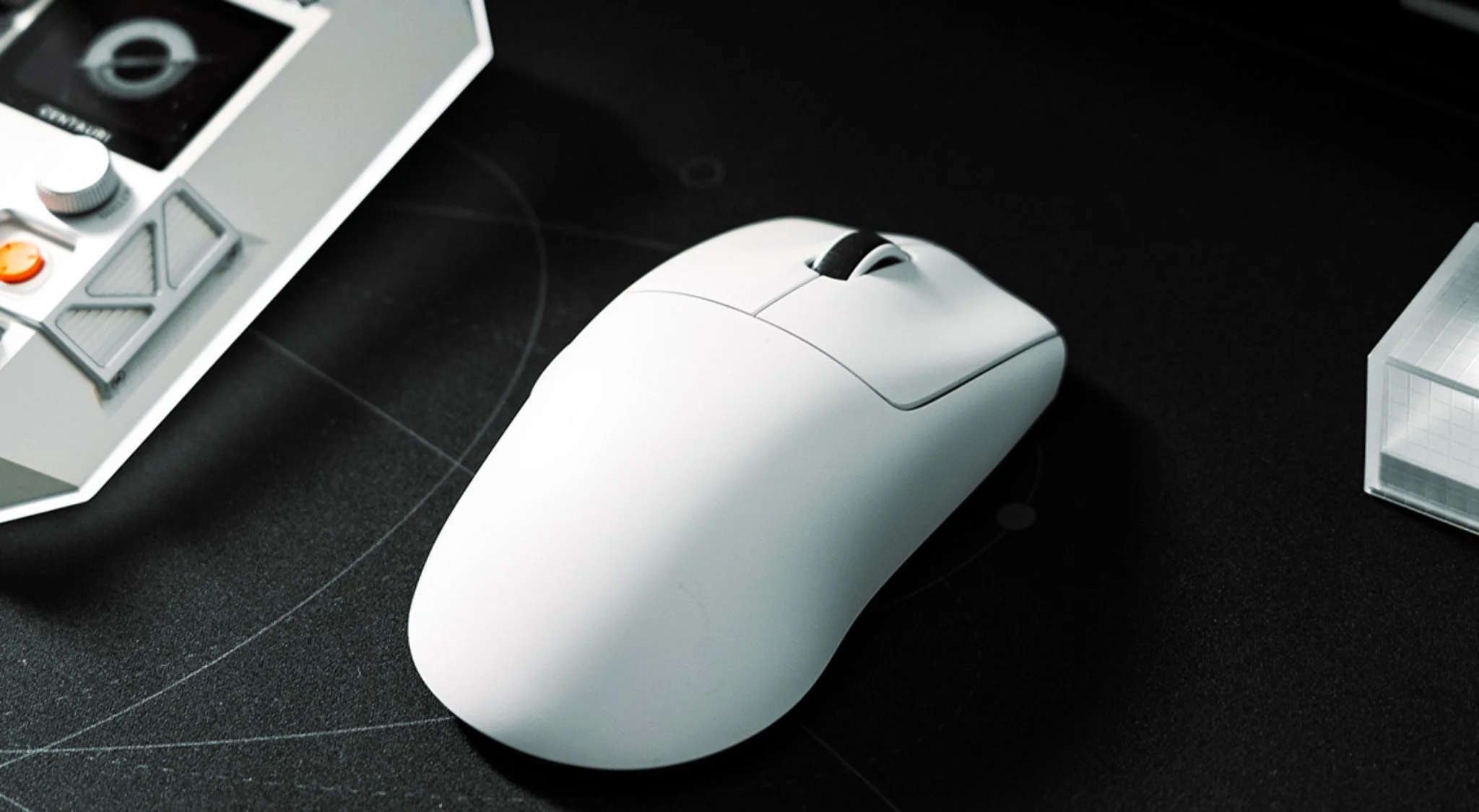
The tester had previously preferred 1600 DPI for general desktop use, particularly across two monitors, but found 800 DPI better for aiming.
That does not mean 800 DPI will automatically improve every player's performance. Mouse sensitivity also depends on in game settings, desk space and personal habits.
Still, the experiment suggests DPI may have a larger effect on practical aim than moving from 1,000 Hz to 4,000 Hz or 8,000 Hz.
Extreme DPI was nearly unusable
To test the other end of the range, the mouse was also set to its maximum 65,000 DPI.
The result was a score of just 10,294.
At that sensitivity, even tiny hand movements created large cursor movements, making accurate targeting extremely difficult.
The result reinforces that maximum hardware specifications are not necessarily useful settings.
For most players, moderate DPI combined with a stable polling rate is likely to be more practical than chasing the highest numbers available.
The experiment ultimately found little evidence that ultra high polling rates alone can transform an average player's aim. For this tester, 1,000 Hz remained the most comfortable setting, while dropping to 800 DPI delivered the clearest improvement.



Discussion (0)
Be the first to comment.