




Former PlayStation executive Shawn Layden believes Sony made a mistake by pulling back from its strategy of bringing major single-player games to PC after a long delay. His argument is that late PC ports allowed PlayStation to earn money from players who were never likely to buy a console, while still protecting the value of exclusive games on PlayStation hardware.
Sony has released several former PlayStation exclusives on PC in recent years, including God of War, The Last of Us, Marvel’s Spider-Man, Ratchet & Clank, Ghost of Tsushima, and Horizon. These releases usually arrived well after their console debut, giving PlayStation owners early access while opening the door to a separate audience on PC.
Layden says that approach helped Sony reach more people without reducing the appeal of PlayStation consoles.
Delayed PC Releases Can Reach Players Outside the Console Market
The central idea behind PlayStation’s previous PC strategy was simple. Some players prefer PC gaming and will not buy a console, even for a highly rated exclusive. Releasing a game on PC 18 months or more after its PlayStation launch gives Sony another way to sell the same title without losing the original console customer.
That creates a longer revenue cycle for a major game. A title can first support PlayStation hardware sales, subscriptions, digital purchases, and add-on content. Later, it can generate fresh sales on Steam and other PC platforms.
| Release strategy | Main benefit |
|---|---|
| Console launch first | Gives PlayStation hardware a clear reason to buy |
| Delayed PC version | Reaches players outside the console ecosystem |
| Multiplayer release on PC | Supports larger player communities |
| Film and TV adaptations | Builds wider recognition for PlayStation brands |
| PC sales after console launch | Creates another revenue stream from an older release |
The success of PlayStation properties outside games has also made this approach more useful. A player who discovers The Last of Us through television, for example, may be more likely to buy a game on whichever platform they already own.
Exclusivity Still Matters for Console Hardware
Layden’s position does not appear to support releasing every PlayStation game on PC at the same time as its console version. He argues that exclusives remain important because they give people a reason to choose one platform over another.
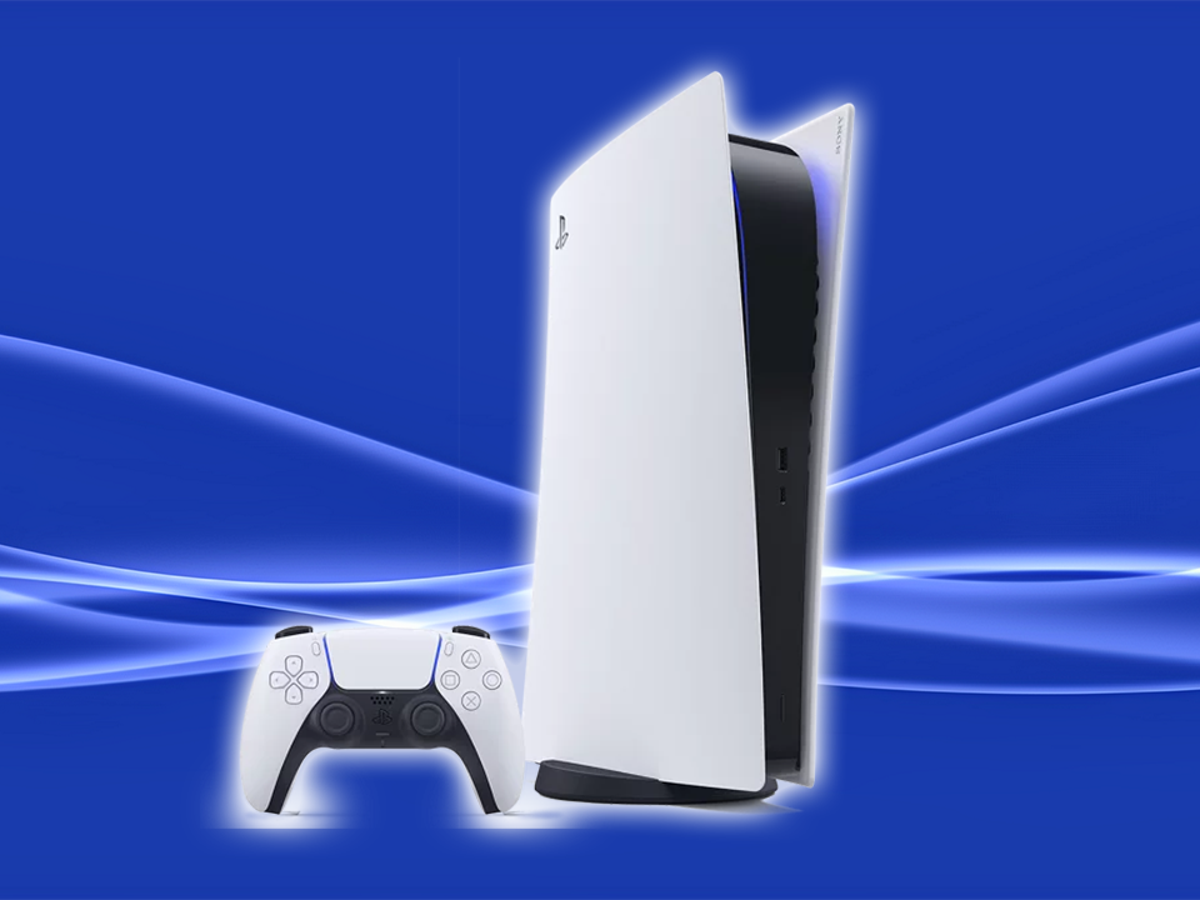
A major first-party game can help sell consoles, encourage subscriptions, increase spending on accessories, and bring players into a wider digital ecosystem. If every release arrives everywhere immediately, the hardware platform can lose some of its identity.
That is the difficult balance Sony has been trying to manage. It wants the reach and revenue of PC gaming, but it also wants the PlayStation console to remain the main place to play new flagship games.
The delayed release model was intended to satisfy both goals.
Sony’s Recent Direction Appears More Restrictive
Sony has reportedly shifted its approach and may now reserve PC launches mainly for multiplayer and live-service projects. That would make sense for games that need a large active player base across platforms from the beginning.
However, limiting delayed PC versions of single-player games could reduce the long-term revenue available from older PlayStation releases. It may also make it harder for Sony to build awareness for its characters and franchises outside the console audience.
| Type of game | PC release approach that could make sense |
|---|---|
| Story-driven single-player game | Delayed release after the console launch |
| Multiplayer game | Day-and-date release to grow player numbers |
| Older catalogue title | PC release to extend the game’s commercial life |
| New flagship exclusive | Console-first release to support hardware sales |
The strategy does not need to be identical for every game. A cinematic single-player release and a competitive online shooter have very different commercial needs.
The Debate Will Continue as Console Costs Rise
The argument around PC ports is becoming more important as console prices rise and game development becomes more expensive. Sony needs strong reasons for people to buy PlayStation hardware, but it also needs more ways to make money from increasingly costly games.
Delayed PC ports offered one possible answer. They gave console players a period of exclusivity while allowing Sony to monetise a larger audience later.
Whether Sony continues moving away from that model remains unclear. But the success of past PC releases shows that a carefully timed launch can expand a PlayStation franchise without necessarily weakening the console business.



Discussion (0)
Be the first to comment.