



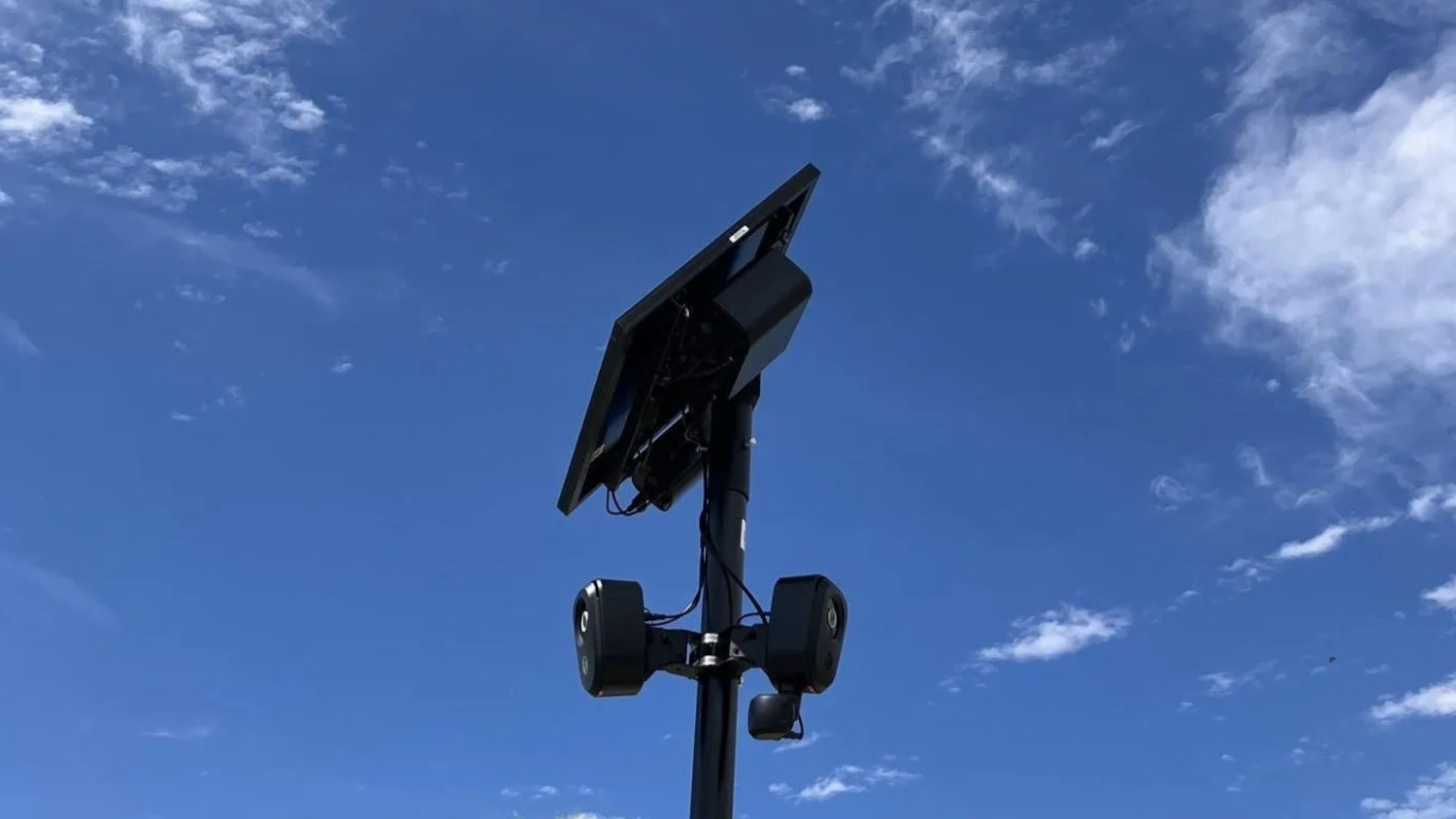
Flock is seeking to have a security researcher’s map of its camera network taken down after an unauthenticated flaw reportedly exposed the locations of 335,701 cameras across the United States.
The issue is particularly sensitive because the exposed location data could reveal where large numbers of license plate readers are installed. According to the supplied report, that information could potentially be used to identify cameras near military bases, intelligence facilities, law enforcement headquarters, and other sensitive locations.
The visible source does not include the full article body, so details about how the flaw worked, how long it was exposed, what specific data was accessible, or whether Flock has already fixed the vulnerability are not provided.
| Detail | Reported information |
|---|---|
| Company | Flock |
| Issue | Unauthenticated flaw |
| Camera locations exposed | 335,701 |
| Data affected | Camera locations nationwide |
| Researcher action | Created a map of exposed locations |
| Company response | Seeking removal of the map |
| Potential concern | Tracking movement near sensitive facilities |
| Fix status | Not stated in supplied material |
More than 335,000 camera locations were reportedly exposed
The scale of the exposure is the most significant detail in the report.
A total of 335,701 camera locations were reportedly accessible because of an unauthenticated flaw.
An unauthenticated vulnerability generally means data or functionality could be accessed without requiring a valid account or login, although the supplied material does not explain the exact technical implementation in this case.
The exposed information was then used by security researchers to create a map showing where Flock cameras were located.
That map appears to be the subject of the company’s takedown effort.
Camera location data can be sensitive
Flock cameras are commonly used as license plate readers.
Knowing where such devices are positioned can reveal the structure and coverage of a surveillance network.
The report raises the possibility that someone could use the map to identify cameras near sensitive government or security related facilities.
Examples mentioned include military bases, intelligence agencies, and law enforcement headquarters.
The concern is not only that individual camera positions become public, but that a large scale map could make it easier to understand where monitoring is concentrated and where gaps may exist.
Flock wants the researchers’ map removed
The company is reportedly seeking to have the map taken down.
The supplied excerpt does not state the exact legal or technical grounds being used for the request.
It also does not say whether the researchers have agreed to remove the map or whether the dispute has escalated further.
Because the visible article body is missing, it is not possible to determine whether Flock is arguing that the map contains proprietary data, creates a security risk, violates a trademark, or raises another issue.
Those details remain unsupported by the material provided.
The flaw raises questions about surveillance system security
The incident highlights the risks that come with large distributed camera networks.
A surveillance platform may be designed to collect information about vehicles and movement, but the infrastructure itself also creates data that can become sensitive.
Camera positions, device identities, network details, and related metadata can all become valuable information if exposed.

When hundreds of thousands of devices are involved, even a flaw affecting location data can create a broad security concern.
The supplied source does not indicate whether any video, license plate data, user accounts, or stored records were exposed alongside the camera locations.
The full impact remains unclear
Several important questions cannot be answered from the visible source.
There is no information about when the vulnerability was discovered, how long it existed, whether unauthorized parties used it before disclosure, or whether the exposed data was downloaded at scale.
The report also does not provide Flock’s full response or confirm whether the underlying flaw has been patched.
What is supported is that an unauthenticated issue reportedly exposed 335,701 Flock camera locations nationwide, researchers used that information to build a map, and the company is now seeking to have that map removed.
The incident shows how even location metadata can become a serious security and privacy issue when it involves a surveillance network operating at national scale.



Discussion (0)
Be the first to comment.