



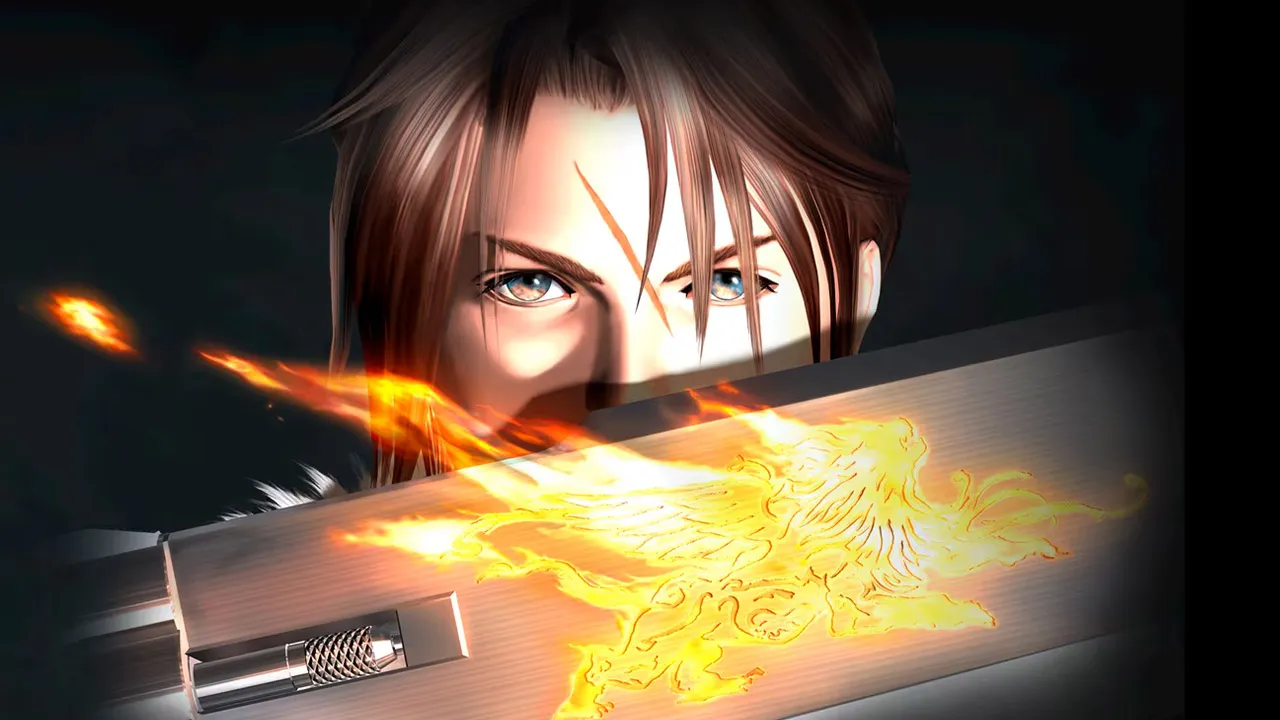
Square Enix producer Naoki Yoshida believes full remakes of Final Fantasy VI, Final Fantasy VIII or Final Fantasy IX could require four or five separate instalments if they followed the same production approach as the Final Fantasy VII Remake series.
Yoshida discussed the subject during Final Fantasy XIV Fest in Berlin, where he addressed continued requests for modern remakes of other classic entries. He pointed to the scale of Final Fantasy VI in particular, describing it as an unusually large game with a broad cast, multiple major locations and a story that changes significantly during its second half.
His comments suggest that Square Enix may be reluctant to rebuild these games with the same level of detail, expanded storytelling and cinematic presentation used across Final Fantasy VII Remake, Rebirth and Revelation.
The discussion also included the first public reference to Final Fantasy XVII in a semi-official setting. Fans suggested that Final Fantasy VII Remake series director Naoki Hamaguchi should lead the next numbered entry, although neither Hamaguchi nor Yoshida confirmed that such a project is currently assigned to him.
| Project | Current position |
|---|---|
| Final Fantasy VI remake | No announcement, described as potentially requiring four or five parts |
| Final Fantasy VIII remake | No announcement, likely too large for a single remake at VII scale |
| Final Fantasy IX remake | No announcement, similar scope concerns raised |
| Final Fantasy VII Revelation | Expected to complete the remake trilogy next year |
| Final Fantasy XVII | Mentioned during the event, but not formally announced |
| Naoki Hamaguchi’s next project | Not confirmed |
A Final Fantasy VI remake would be especially difficult to contain
Final Fantasy VI is often discussed as one of the strongest candidates for a major remake, but it would also be one of the hardest games to rebuild.
The original includes a large playable cast, several interconnected storylines and two distinct versions of its world. Many characters receive individual introductions and personal arcs, which would require extensive development if expanded into modern cinematic scenes.
A remake in the style of Final Fantasy VII would also need to reinterpret famous moments such as the opera sequence, the Phantom Train and the destruction that divides the game into its two major sections.
Each of those events could require new environments, voice acting, motion capture and redesigned gameplay systems.
Square Enix would also need to decide how much material to expand. The Final Fantasy VII remake project does not reproduce the original game scene for scene. It adds new areas, longer character interactions and additional story developments.
Applying that model to Final Fantasy VI would increase the scale considerably.
Yoshida’s estimate of four or five instalments therefore reflects more than the length of the original. It also reflects the amount of detail expected from a modern high-budget role-playing game.
Final Fantasy VIII and IX present similar production challenges
Final Fantasy VIII and Final Fantasy IX are both smaller in cast size than Final Fantasy VI, but each still contains a large world, several cities and a long sequence of major events.
Final Fantasy VIII moves across schools, cities, military locations and different time periods. It also includes large set pieces that would require extensive visual redesign.
Final Fantasy IX has its own collection of kingdoms, airships, dungeons and story-heavy sequences. Rebuilding those locations with modern graphics would require years of art, animation and engineering work.
Neither game could easily be divided without careful planning.
A multi-part format can give developers more time to expand characters and locations, but it can also create long gaps between releases. Players may wait a decade or more to see a complete story.
The Final Fantasy VII remake project shows both sides of that approach. Each game has been larger and more detailed than a conventional remake, but the full project has also taken many years to complete.
Square Enix may prefer smaller-scale remakes for VI, VIII or IX rather than repeating the same structure.
Smaller remakes may be more realistic
Yoshida did not say that remakes of these games are impossible.
His comments were specifically about rebuilding them at the scale of Final Fantasy VII Remake. Square Enix could choose a different visual style, a smaller budget or a more faithful structure.
A high-quality remake does not necessarily need fully cinematic presentation or several instalments.
The company could preserve the original perspective while improving models, environments, combat and voice acting. It could also use a stylised visual approach that requires fewer resources than a realistic production.
This may be the most practical way to revisit older entries without turning each one into a decade-long project.
Square Enix has already used several remake strategies across its catalogue, ranging from visual remasters to complete mechanical redesigns.
The final approach would depend on expected sales, development capacity and whether the company believes the audience is large enough to support the cost.
Final Fantasy XVII receives an early public mention
The event also drew attention because Final Fantasy XVII was mentioned in front of both Yoshida and Hamaguchi.
Fans reportedly suggested that Hamaguchi should direct the next numbered game after completing the Final Fantasy VII remake project.
Yoshida described that suggestion as high praise but did not ask Hamaguchi to confirm or deny anything.
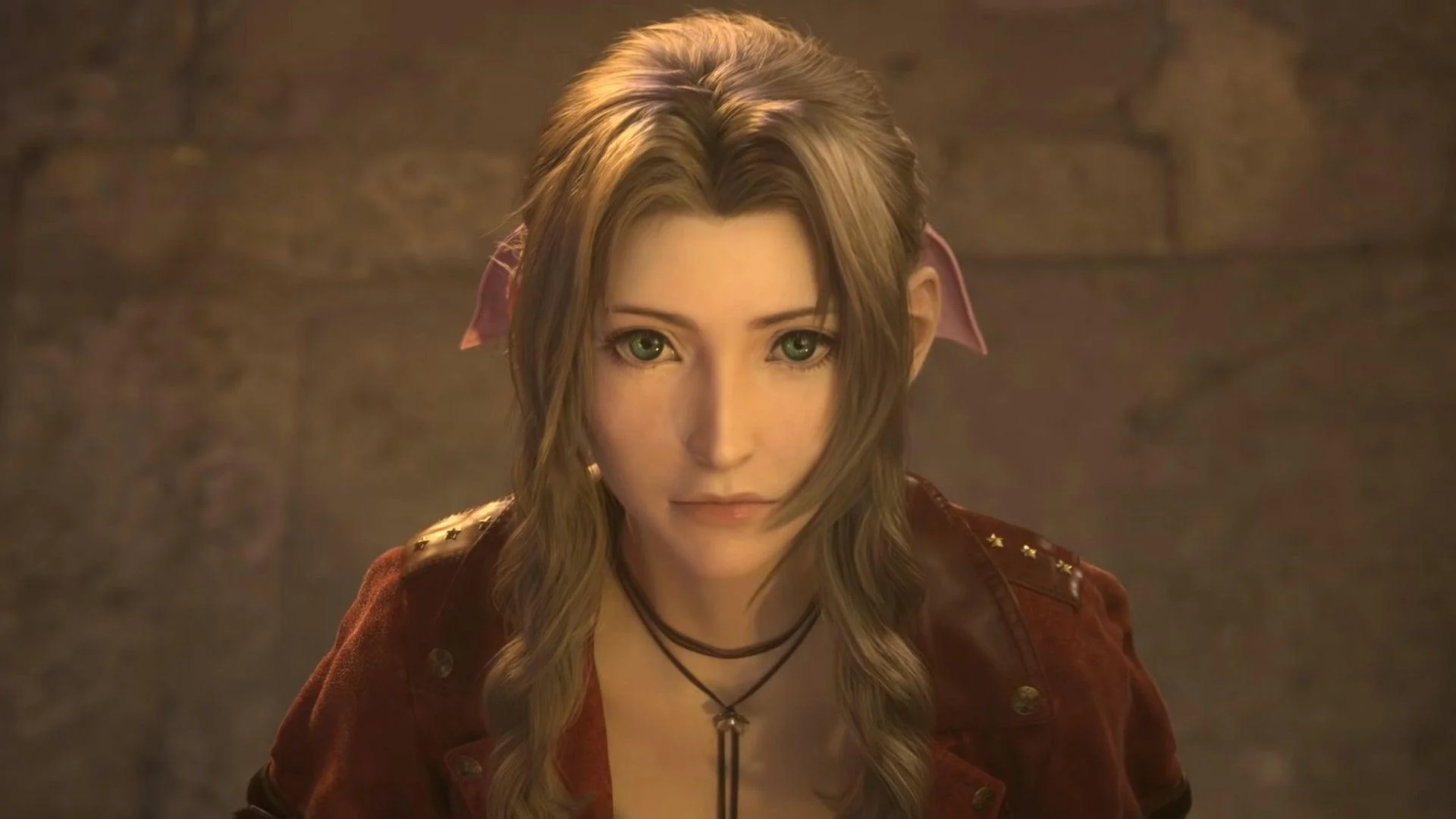
The exchange should not be treated as an announcement. Square Enix has not revealed Final Fantasy XVII, its development team or its release window.
Hamaguchi is still working on Final Fantasy VII Revelation, which is expected to conclude development in the coming months.
Any future project would probably remain years away, particularly if he moved directly from one large production into another.
Hamaguchi could bring the remake series’ combat experience to a new game
Hamaguchi has become a popular choice among fans because of his work on the Final Fantasy VII remake project.
The series combines real-time movement and attacks with command-based abilities, party management and strategic pauses. This system has been widely praised for blending action with traditional role-playing elements.
A new numbered entry under Hamaguchi could build on that structure without being restricted by an existing story.
It could also allow Square Enix to return to a more colourful ensemble cast after the darker tone and action-focused design of Final Fantasy XVI.
That does not mean Final Fantasy XVII would necessarily resemble Final Fantasy VII Remake. Each numbered entry usually introduces a new world, battle system and creative direction.
Hamaguchi’s involvement remains speculation based on fan requests rather than confirmed information.
Square Enix faces difficult choices after Final Fantasy VII Revelation
Final Fantasy VII Revelation is expected to complete the remake trilogy next year across PC, PlayStation 5, Xbox Series X and S and Nintendo Switch 2.
Once that project ends, Square Enix will need to decide where to direct the teams and technology built around it.
Another large remake could reuse some experience and production systems, but committing to four or five games would create a major financial and scheduling burden.
A new numbered entry may offer more creative freedom and avoid comparisons with a beloved original.
Square Enix could also pursue smaller projects alongside one major release, allowing it to serve fans of classic turn-based games and newer action-focused entries at the same time.
Yoshida’s comments do not rule out remakes of Final Fantasy VI, VIII or IX. They highlight how difficult it would be to recreate them with the same scale and expansion used for Final Fantasy VII.
For now, none of those remakes has been confirmed, while Final Fantasy XVII remains only an idea raised publicly by fans rather than an announced game.



Discussion (0)
Be the first to comment.