



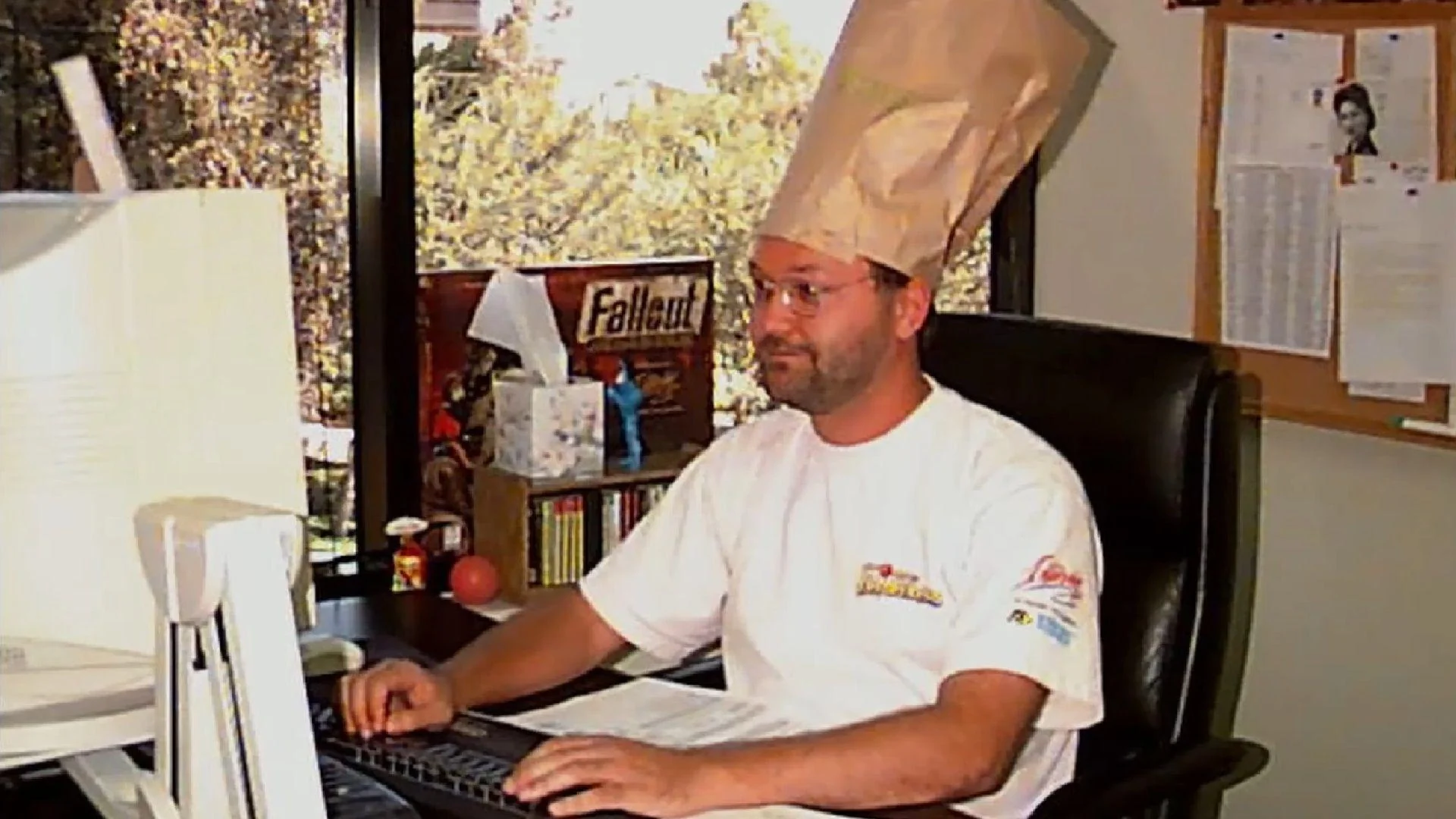
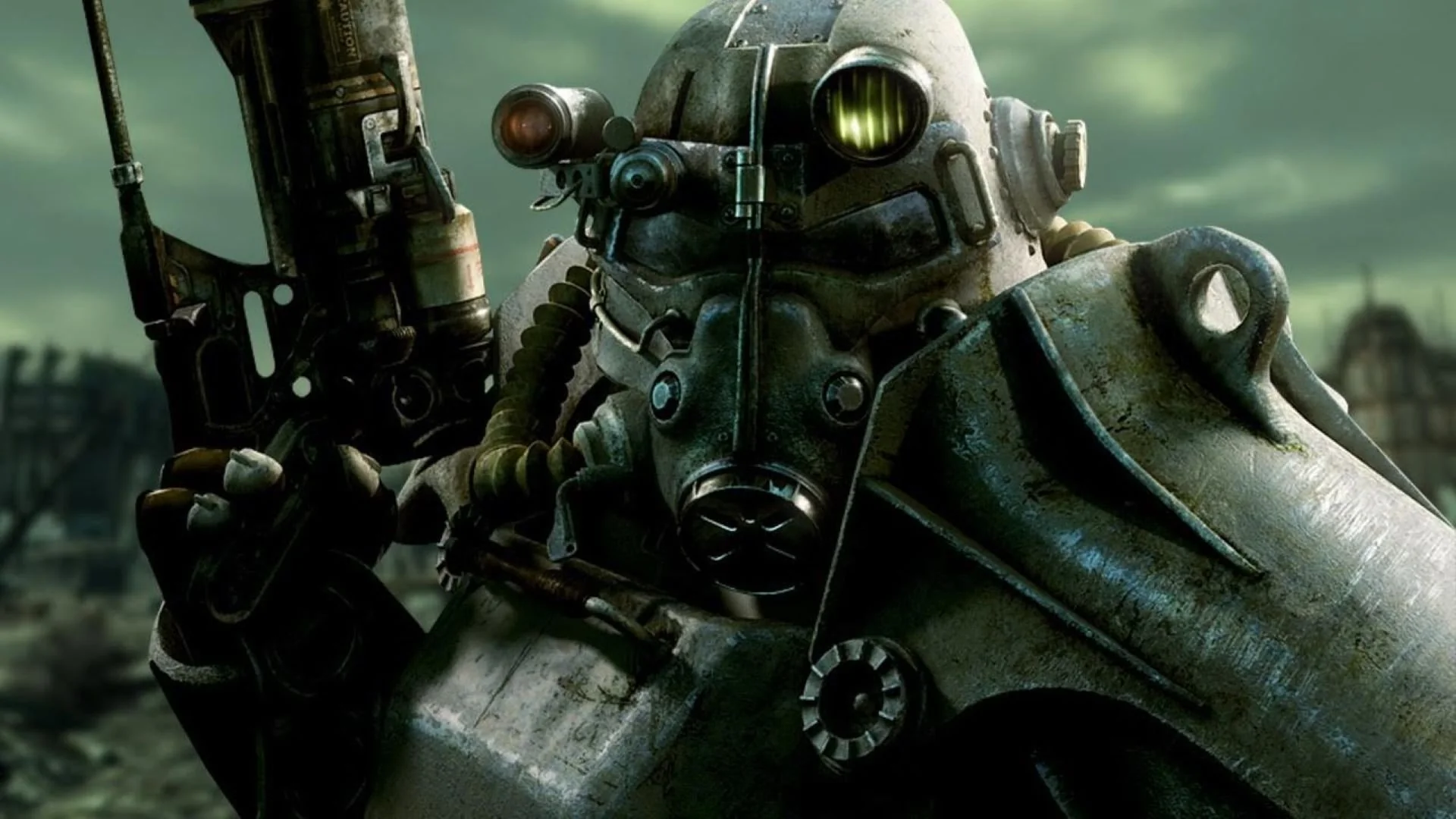
Fallout co creator Tim Cain says the internet has changed how games are marketed, discussed, and even designed. In a recent YouTube video, Cain argued that many players no longer form opinions by looking at a game directly. Instead, they often adopt the opinion of an influencer they already like.
Cain is not saying every influencer is bad. His point is more specific. The way people talk about games has changed from explaining features and giving a personal verdict to telling viewers what they should think.
Game marketing now depends heavily on clips and influencers
Cain compared older game coverage with the modern influencer era. In the past, reviews often focused on features, bugs, comparisons, and a score. In the YouTube and social media era, creators often show a game’s best moments, explain why they personally like or dislike it, and shape the audience’s first impression much more directly.
That has affected game design too. Cain says developers now think about which parts of a game will look good in clips. That can include big explosions, boss fights, colorful moments, unusual weapons, or scenes that will spread well on TikTok, YouTube, Instagram, and other platforms.
| What changed | Cain’s concern |
|---|---|
| Reviews became more personality driven | People may follow the creator more than the game |
| Games are designed with clips in mind | Spectacle can become more important than the full experience |
| Influencers shape first impressions | Viewers may accept opinions without testing them |
| Online groups form around shared views | Games can get boxed in too quickly |
Cain’s biggest concern is that some players are giving up their own judgment. He says he sometimes sees repeated comments that appear to come from influencer talking points rather than personal experience. In his view, people are sometimes being handed an opinion instead of building one through play, thought, or comparison.
That does not mean following critics or creators is new. People have always trusted reviewers whose taste matches their own. The difference now is scale and speed. Social media lets one opinion spread very quickly, and short clips can make a game look better or worse than it feels in full.
Cain also worries that developers may start building games for specific influencers or audiences rather than making the game they actually want to make. He says he does not take that approach himself, but he has heard developers discuss it.
The positive side is that people can now find many voices that match their taste. You no longer have to rely only on a few large outlets. A smaller creator may understand the kind of games you enjoy better than a general review site.
The risk is that this can also create narrow opinion bubbles. A game can be labeled as slow, casual, outdated, too hard, too political, or too safe before many people have played it themselves.
Cain does not claim to know where this goes next. He thinks the 2030s could move in either direction. People may become even more locked into small influencer circles, or the next generation may get tired of being told how to think about games.
His warning is simple: influencers can help you discover games, but your opinion should still be your own.
Discussion (0)
Be the first to comment.