




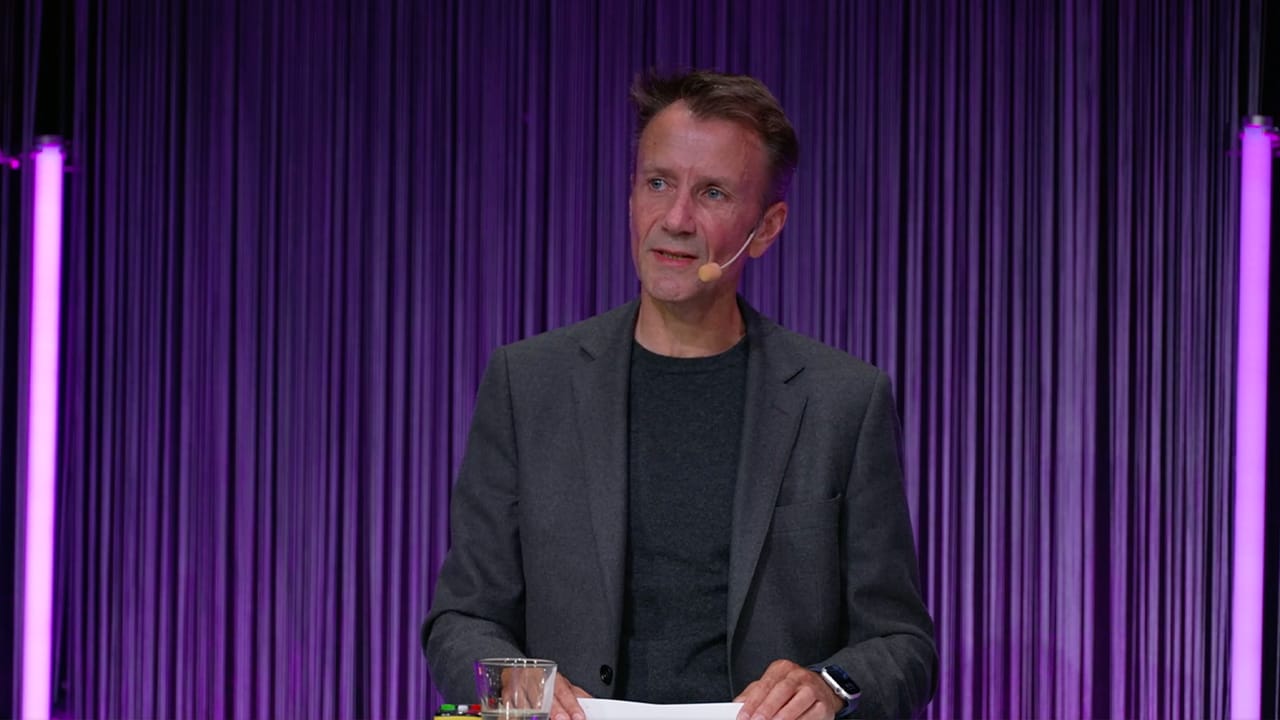
Electronic Arts says artificial intelligence is already helping its game teams remove repetitive work and move through early creative decisions faster. Laura Miele, a senior executive at the publisher, said the company has seen AI reduce friction in tools, workflows, and production pipelines, allowing developers to spend more time on creative work.
Her comments reflect a wider debate across the games industry. Major publishers and technology companies are increasingly presenting AI as a practical tool for speeding up development, prototyping ideas, and helping smaller teams work more efficiently. At the same time, many players and developers remain concerned that rushed use of generative AI could lead to lower quality games, weaker art direction, and more disposable content.
EA has not said that AI will replace creative teams. Instead, Miele described its role as reducing tedious tasks that can slow down artists, designers, and developers during production.
EA Sees AI as a Tool for Faster Prototyping
Game development often involves long production cycles, repeated testing, technical setup, and constant back and forth between different teams. EA believes AI can help reduce some of that workload, especially during the early stages of a project.
According to Miele, the company has already seen faster prototyping and quicker internal discussions around creative ideas. That does not necessarily mean a game can be made in a fraction of the time, but it could help teams test concepts before spending months building them.
The approach is similar to how studios have used other development tools over the years. Better engines, animation software, audio tools, and automated testing systems have all changed how games are made. AI may become another layer in that process, though its impact will depend heavily on how each studio uses it.
| Area of development | How EA says AI may help |
|---|---|
| Early prototyping | Test concepts and ideas more quickly |
| Internal workflows | Reduce repetitive setup and technical tasks |
| Creative planning | Help teams reach decisions faster |
| Production pipelines | Remove delays between tools and departments |
| Developer workload | Free time for design, art, and gameplay work |
The Industry Is Still Divided Over AI Generated Content
The biggest concern is not whether AI can save time. It is whether companies will use it responsibly.
Many people are worried about AI generated assets being used as cheap replacements for artists, writers, voice actors, and designers. Others fear that studios could flood stores with low effort games built around automatically generated content.
Those concerns have become closely linked to the term “AI slop,” which is often used to describe low quality material created quickly with generative tools. The problem is not limited to games. It also affects artwork, writing, software, marketing, and online content.
Supporters of AI argue that the technology should be judged by the final result rather than the tool itself. They believe skilled creators can use AI to handle routine work while keeping human direction at the centre of a project.
Critics argue that companies may focus too heavily on cost cutting, especially at a time when the games industry continues to face layoffs and studio closures. That makes promises about AI improving creativity harder for some developers to accept.
EA’s Stability AI Partnership May Take Time to Show Results
EA partnered with Stability AI in late 2025 to develop new AI models, tools, and workflows for game production. The stated aim was to help artists, designers, and developers rethink how content is created.
However, the effects of that work may not be visible in major EA games for some time. Large AAA projects often take years to make, and tools introduced today may only have a clear effect on games that are still early in development.
EA’s message is that AI can help remove boring and repetitive work without replacing creative judgment. Whether that promise holds up will depend on how the company applies the technology, how transparent it is with developers, and whether the games themselves improve as a result.



Discussion (0)
Be the first to comment.