



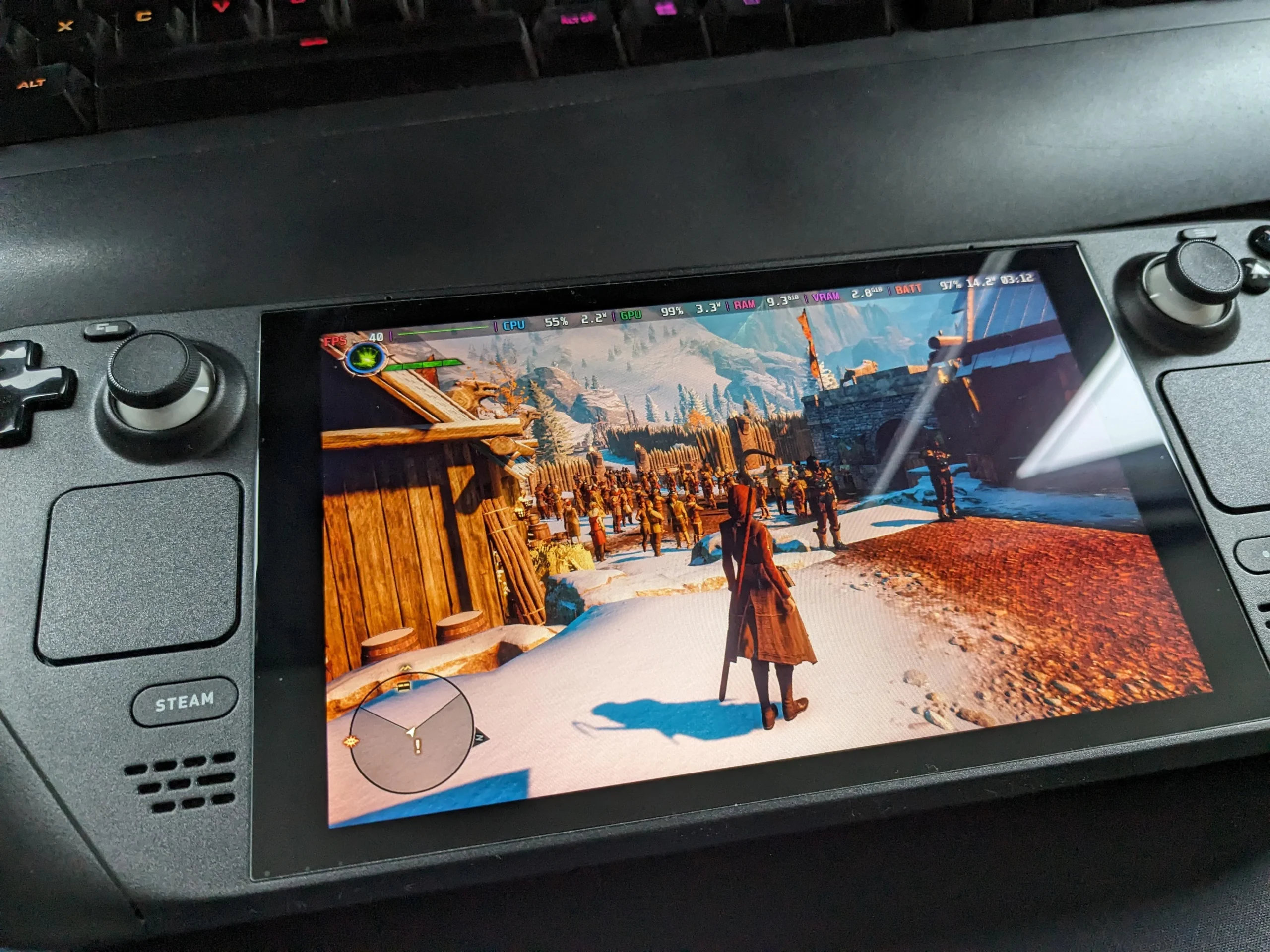
Dragon Age: Inquisition has finally moved from Unsupported to Playable on Steam Deck after a long running controller issue was fixed in Proton.
The game had been difficult to recommend on Steam Deck and other Linux based systems because its controls did not work correctly with Valve’s standard Proton compatibility layer. Although the game itself could launch, the controller often was not recognized.
That problem had previously been worked around through DAI Proton, a custom compatibility layer created specifically for Dragon Age: Inquisition. Now that the controller fix has reached Proton Experimental, the game is much easier to run without relying on a separate community solution.
| Detail | Current status |
|---|---|
| Steam Deck rating | Playable |
| Previous rating | Unsupported |
| Main old issue | Controller not recognized |
| Fix | Added through Proton Experimental |
| Default graphics | Works well |
| Default controller setup | Works well |
| Remaining issue | Small in game text |
| Other issue | Incorrect controller icons may appear |
| Virtual keyboard | May need to be opened manually |
| Steam price | $39.99 |
Controller support was the biggest problem
Dragon Age: Inquisition has worked on Linux for some time, but the controller issue made the experience frustrating.
The game could launch through Proton, yet standard Steam Deck controls were not properly detected.
That meant players often had to rely on DAI Proton, a custom compatibility layer that included the necessary fix.
The workaround made the game playable, but it also added another step for anyone who simply wanted to install and launch the game normally.
Proton Experimental fixed the issue in August
The important change happened earlier when Proton Experimental received an update that fixed controller support for Dragon Age: Inquisition.
That removed the main obstacle preventing the game from working properly on Steam Deck.
Even after the fix arrived, however, the game remained officially marked as Unsupported for a while.
That changed last week when the Steam Deck compatibility rating was updated to Playable.
The new badge now reflects the current state of the game more accurately.
Valve lists a few remaining limitations
The Playable rating does not mean everything is perfect.
Steam notes that the default graphics configuration works well and that the controller setup is functional.
However, there are still some usability issues.
In game text can appear small on the Steam Deck screen.
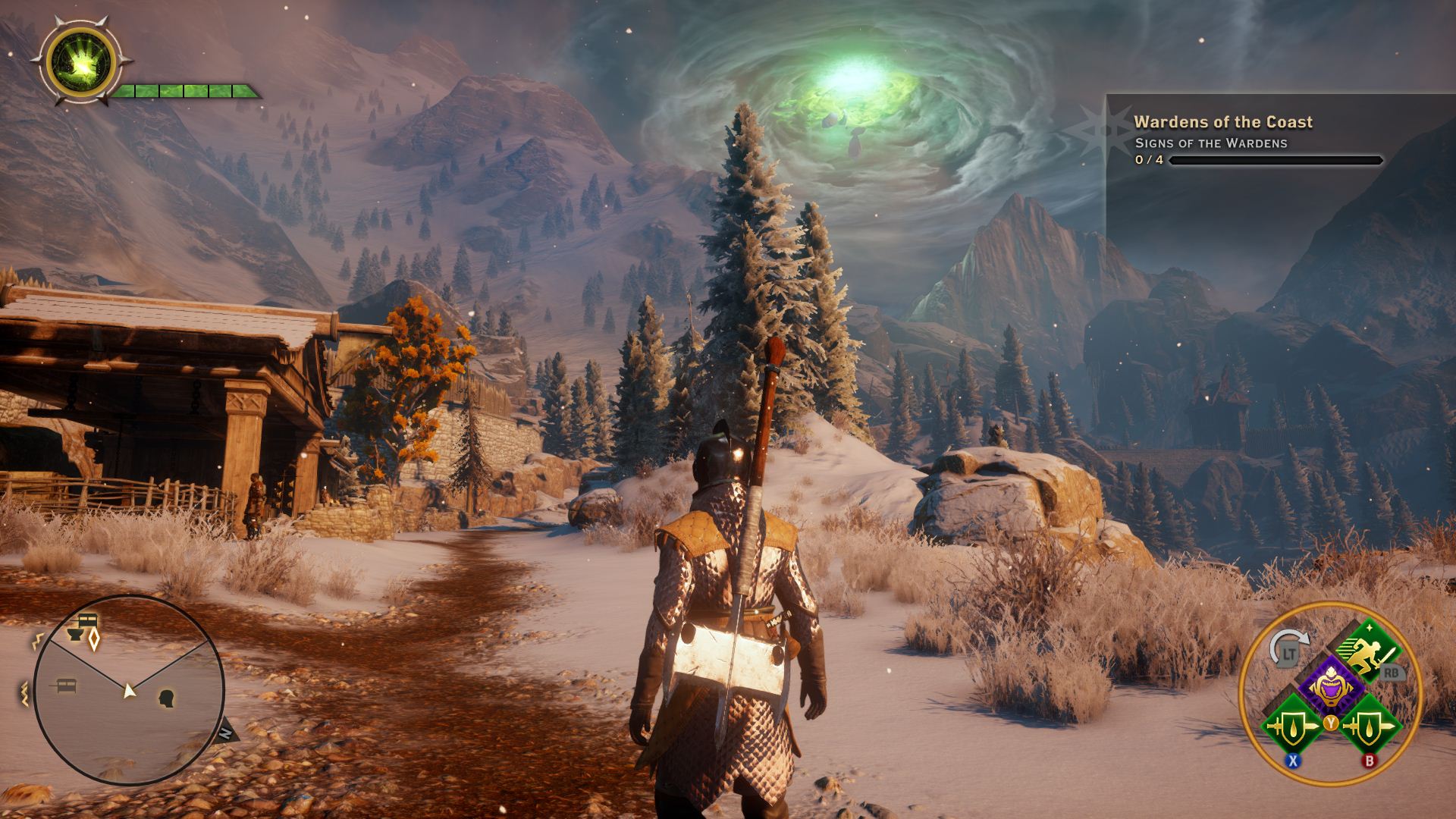
The game may also show incorrect controller button icons at times.
Players may need to manually open the Steam Deck’s virtual keyboard for certain text entry situations.
There is also a note suggesting that a community controller configuration might be needed, even though the same compatibility information says the default controller setup works well.
That makes the guidance slightly inconsistent, but the main controller problem appears to have been resolved.
The new rating makes installation much simpler
The biggest benefit is convenience.
Players no longer need to depend on a separate custom Proton build just to get normal controller support.
That makes Dragon Age: Inquisition much easier to install and play through the standard Steam Deck experience.
For many players, that difference matters more than the badge itself.
An Unsupported label can discourage people from even trying a game, while Playable makes it clear that the title can now run with only minor compromises.
Dragon Age Inquisition is still not fully Verified
The game has not reached Steam Deck Verified status.
The remaining text size, controller icon, and virtual keyboard issues are enough to keep it in the Playable category.
Still, that is a major improvement over its previous Unsupported classification.
Dragon Age: Inquisition is currently listed at $39.99 on Steam.
For Steam Deck owners who previously avoided the game because of its broken controller support, the Proton fix and new Playable rating make it much easier to return to the RPG without using a custom compatibility layer.



Discussion (0)
Be the first to comment.