



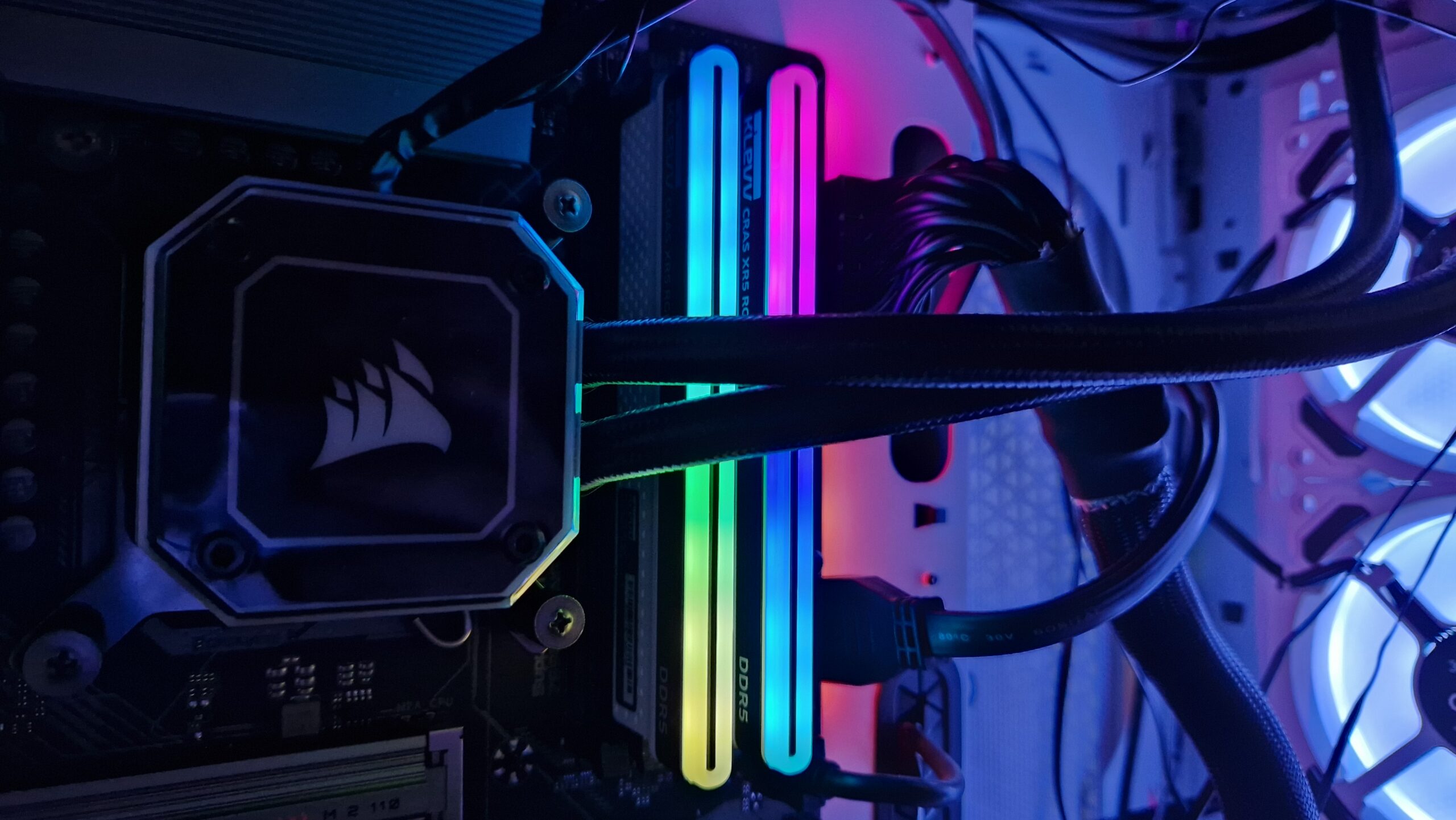
DDR4 platforms are seeing renewed demand as DDR5 memory prices continue to climb, making new PC builds more expensive than many buyers expected. Several motherboard and memory vendors are reportedly increasing production of DDR4 compatible platforms as gamers and budget builders look for cheaper ways to build or upgrade a system.
The shift is not surprising. DDR5 has become much more expensive during the ongoing memory shortage, and that has changed the value equation for desktop PCs. For many people, building a modern system with DDR5 memory, a newer motherboard, a current generation processor, and a fast SSD has become difficult without crossing the $1,000 mark.
DDR4 memory has also become more expensive than before, but it still remains much cheaper than similar capacity DDR5 kits in many markets. That price gap is pushing buyers back toward older but still capable platforms such as AMD AM4 and Intel LGA 1700 with DDR4 support.
Older platforms are becoming more attractive again
The AM4 platform is one of the biggest beneficiaries of this trend. Ryzen 5000 processors are still widely available, and chips such as the Ryzen 5 5500, Ryzen 7 5800XT, and Ryzen 7 5800X3D remain popular with buyers who want strong performance without paying for a full AM5 upgrade.
AMD’s decision to bring back a reworked Ryzen 7 5800X3D for AM4’s 10th anniversary also helps keep the platform relevant. The chip gives AM4 owners a strong gaming upgrade path without forcing them to buy a new motherboard and DDR5 memory.
| Platform | Why it still matters |
|---|---|
| AMD AM4 | Cheap boards, DDR4 support, strong Ryzen 5000 upgrade path |
| Intel LGA 1700 DDR4 | Supports newer Intel CPUs while keeping DDR4 memory |
| AM5 | Newer platform, but DDR5 prices raise total build cost |
| LGA 1851 | Modern Intel platform, but higher platform cost |
Intel’s LGA 1700 platform is also benefiting because it exists in both DDR4 and DDR5 versions. Many buyers can still get capable Intel CPUs while using cheaper DDR4 motherboards and memory. That makes LGA 1700 DDR4 boards attractive again, especially for people who do not need the newest platform features.
Motherboard vendors are reportedly responding to this demand by ramping up DDR4 compatible board production. That includes AM4 boards and LGA 1700 DDR4 models. This is a practical move because buyers are clearly trying to avoid the higher costs attached to DDR5 platforms.
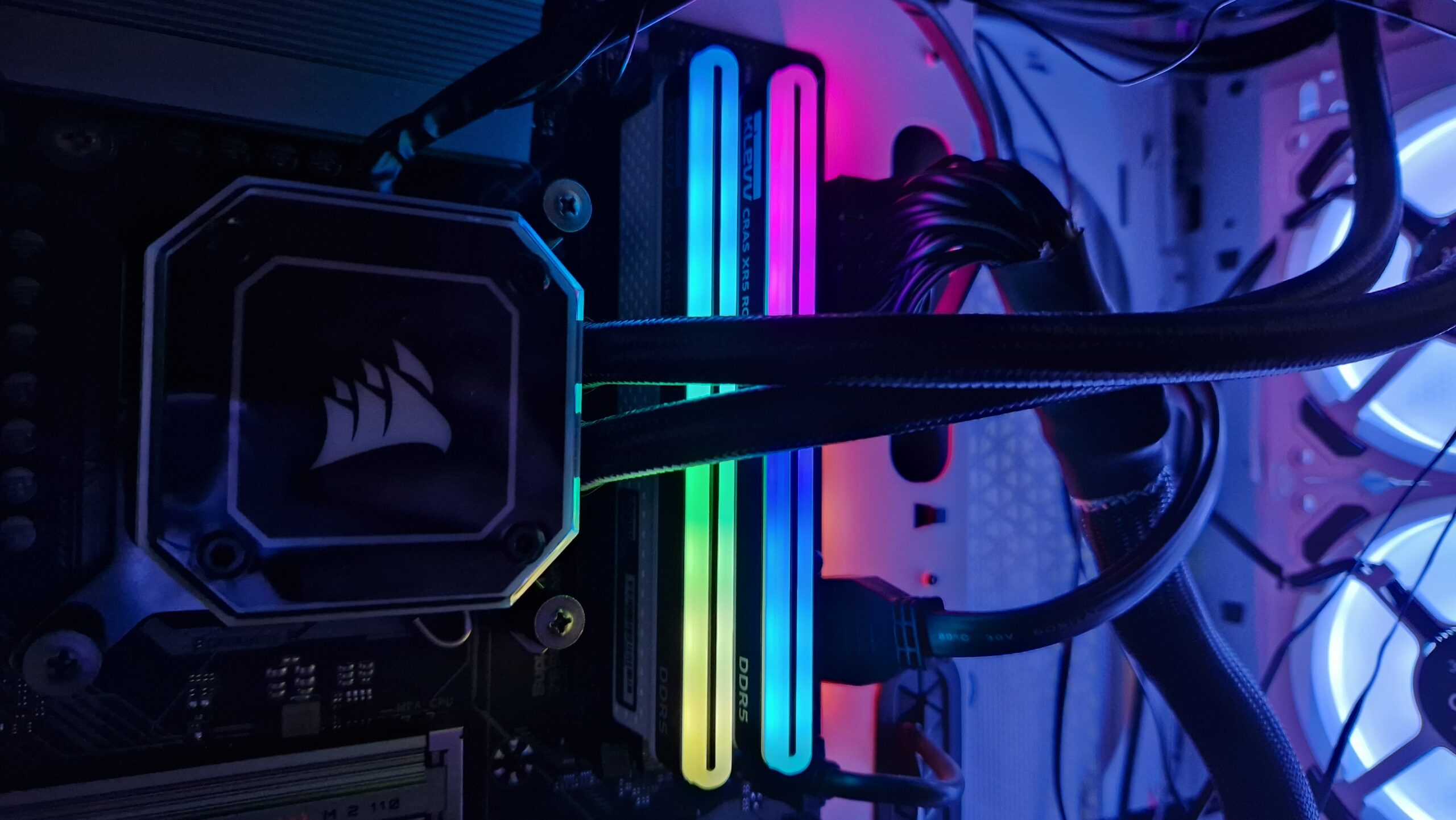
The situation also shows how unusual the current PC market has become. Normally, older memory standards fade as newer platforms take over. DDR5 was expected to gradually replace DDR4 across mainstream builds. But high prices have slowed that transition and made older platforms look more sensible again.
For budget gamers, this is not necessarily bad news. A well priced AM4 or LGA 1700 DDR4 build can still deliver strong gaming performance, especially when paired with a decent GPU. In many games, spending more money on the graphics card matters more than moving from DDR4 to DDR5.
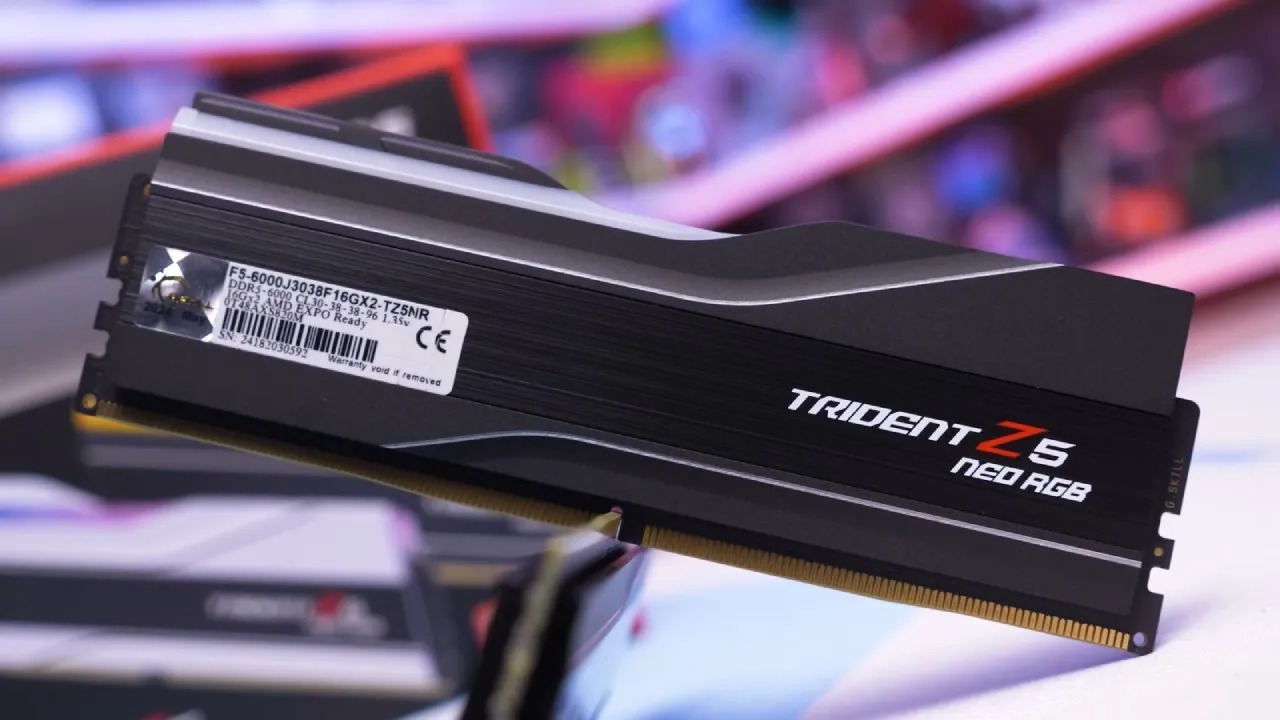
The same applies to everyday users. A DDR4 based system can still handle browsing, office work, media, school tasks, light editing, and many games without feeling outdated. For people who simply want a reliable PC, the savings can matter more than having the latest memory standard.
Still, DDR4 is not a perfect long term answer. DDR5 platforms offer better upgrade paths, newer I/O features, higher memory bandwidth, and future CPU support. Anyone building a high end PC for several years of upgrades may still prefer AM5 or a newer Intel platform.
But the market is forcing buyers to be practical. When DDR5 costs four or five times more in some comparisons, the newer platform becomes harder to justify for entry level and midrange systems. That is why DDR4 is not disappearing as quickly as expected.
The renewed interest in DDR4 also puts pressure on the industry. If DDR5 prices stay high, more vendors may keep older platforms alive longer. That could be good for buyers who need affordable options, but it also shows how the memory shortage is disrupting the normal upgrade cycle.
For now, DDR4 has become the budget safety net of the PC market. It may be old, but it is still useful, widely supported, and much cheaper to build around than the newest platforms. Until DDR5 prices become more reasonable, AM4 and LGA 1700 DDR4 systems will likely continue to attract gamers and PC builders who want performance without overspending.



Discussion (0)
Be the first to comment.