



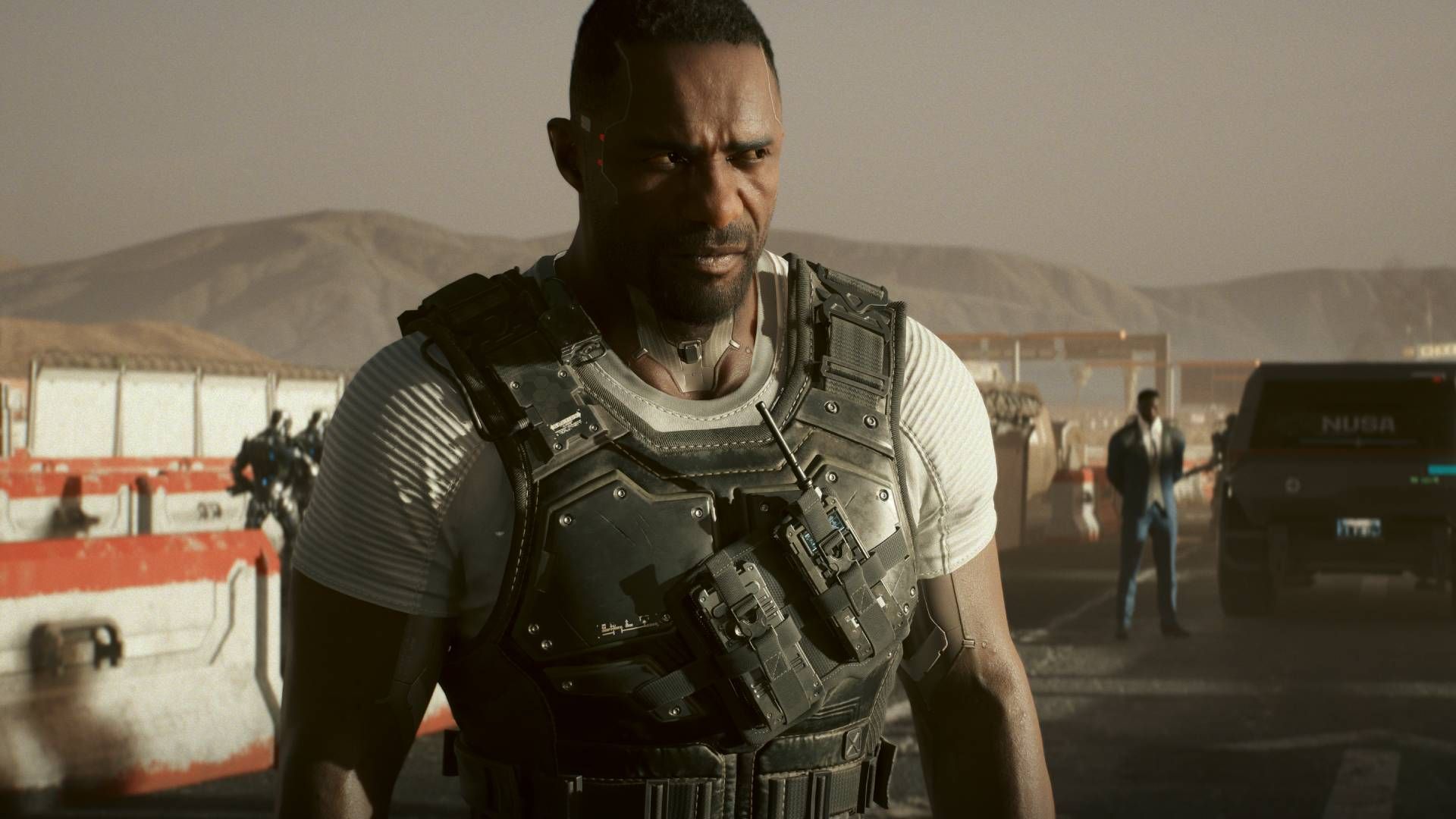
CD Projekt Red says one of the defining moments in Cyberpunk 2077: Phantom Liberty was planned early enough that the development team effectively worked backwards from it, repeatedly rewriting scenes to make the final decision between Songbird and Reed feel difficult.
Pawel Sasko, who served as lead quest designer on Phantom Liberty and is now associate game director on Cyberpunk 2, shared new details about the expansion to mark its third anniversary.
He explained that the studio changed both its development structure and its approach to storytelling after the troubled launch of the original Cyberpunk 2077.
| Detail | Phantom Liberty development |
|---|---|
| Lead quest designer | Pawel Sasko |
| Key narrative focus | Final choice involving Songbird and Reed |
| Development approach | Team worked backwards from the final decision |
| Story revisions | Scenes rewritten multiple times |
| Main genre inspiration | Spy fiction |
| Development structure | Multidisciplinary content teams called pods |
| Expansion sales | More than 15 million copies |
| Sasko's current role | Associate game director on Cyberpunk 2 |
CD Projekt Red changed how it built the expansion
Sasko said the studio had to rethink its development process after Cyberpunk 2077.
During development of the original game, work followed a structure closer to a waterfall model. Tasks moved between departments, while many important decisions accumulated around leads and directors.
For Phantom Liberty, CD Projekt Red moved toward multidisciplinary teams referred to internally as pods.
These groups brought designers, writers, cinematic teams, artists, audio developers, QA staff, and other disciplines together to work on the same content.
Sasko said it took time for the studio to adjust to the new structure, but the benefits became clear once the system started working properly.
Spy fiction shaped Phantom Liberty's direction
The expansion's story was deliberately built around the conventions of spy fiction.
The team studied films and stories including Tinker Tailor Soldier Spy, James Bond, The Bourne Identity, Bridge of Spies, and Ocean's Eleven.
According to Sasko, genre became a practical development tool rather than simply an aesthetic reference.
That influence can be seen throughout Phantom Liberty, particularly in its political intrigue, shifting loyalties, secrecy, and high pressure missions.
The Black Sapphire sequence is one example where the expansion leans heavily into a more glamorous espionage style.
The final Songbird and Reed choice came first
The choice between helping Songbird or siding with Reed was one of the most important parts of Phantom Liberty during development.
Rather than building the story chronologically and deciding on the ending later, the developers worked backwards from that moment.
Scenes were rewritten many times to make sure both characters remained understandable while also giving players reasons to distrust them.
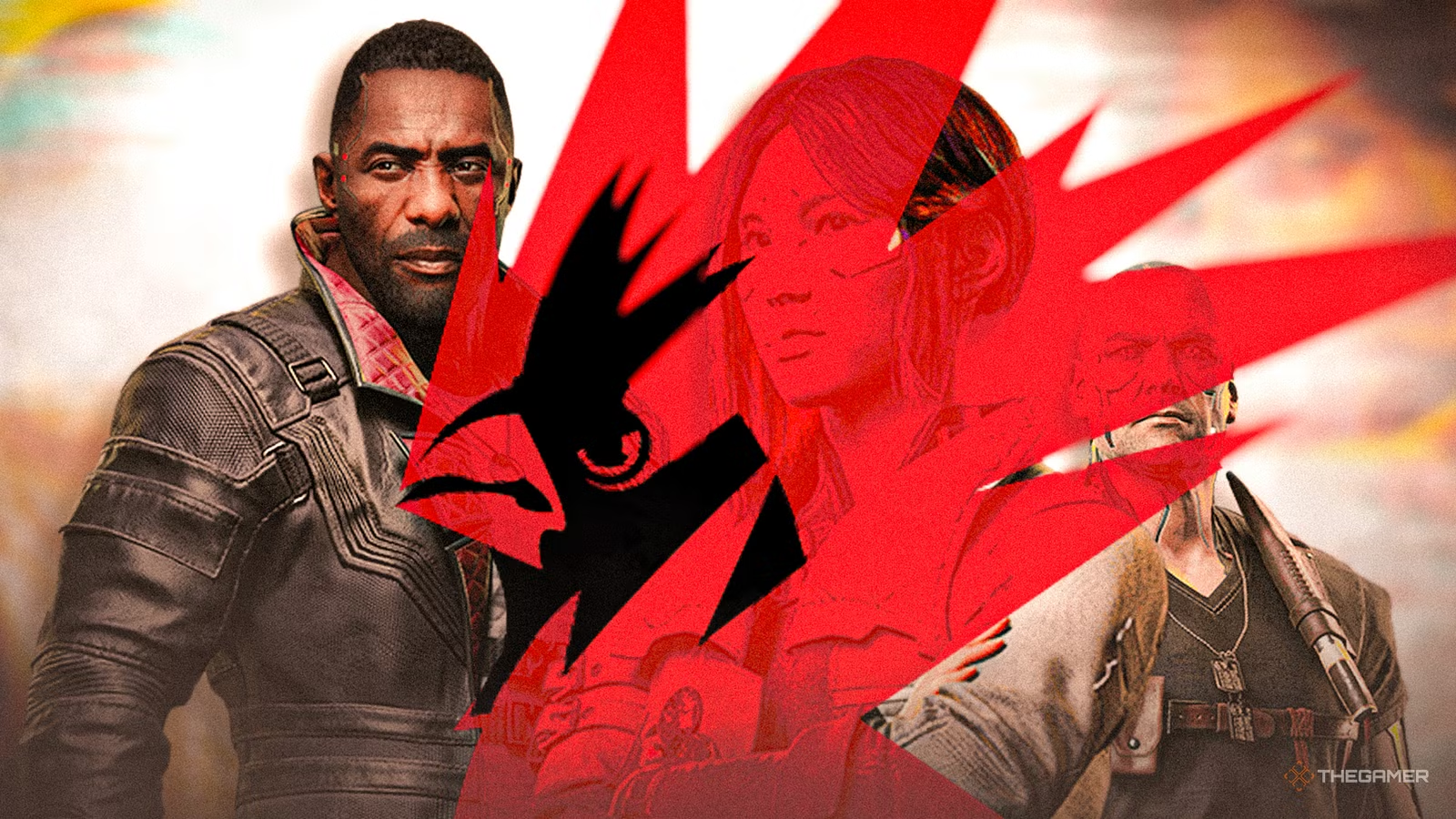
Sasko said the team knew that Songbird and Reed needed contradictions, weaknesses, secrets, and motivations that players could sympathize with.
That balance was essential because the developers did not want the final choice to have an obvious correct answer.
CD Projekt Red wanted consequences to feel clearer
Sasko also said the team learned from how choices were handled in the base game.
In Cyberpunk 2077, some consequences were so subtle that players did not always realize a later event had been caused by an earlier decision.
For Phantom Liberty, the team deliberately pushed for clearer branching and more visible consequences.
Those effects could appear through messages, photographs, returning characters, or completely different quest paths.
The goal was to make players understand that their choices mattered without having the game explicitly tell them whether they had made the right decision.
Players were meant to live with their interpretation
The developers did not want Phantom Liberty to provide a simple moral answer.
Sasko said the intention was for players to make their own judgment about Songbird, Reed, and the consequences of the final choice.
That uncertainty is central to the expansion because both characters can appear sympathetic and unreliable at the same time.
The player is given enough information to understand their motives, but not enough to make the decision comfortable.
That structure helped turn the ending into one of the expansion's most discussed moments.
Phantom Liberty does not erase Cyberpunk 2077's launch
Despite Phantom Liberty receiving strong reviews and selling more than 15 million copies, Sasko said he does not believe the expansion erases the original game's launch problems.
Instead, he views the project as an important learning experience.
He said it taught him a great deal about directing games, which is particularly relevant now that he is helping lead development of the next mainline Cyberpunk RPG.
The expansion became an opportunity for CD Projekt Red to change both its internal production process and its approach to narrative design.
Those lessons are carrying into Cyberpunk 2
Sasko is now an associate game director on Cyberpunk 2.
That means many of the lessons learned during Phantom Liberty could influence how the sequel is built.
The supplied material does not provide new details about Cyberpunk 2 itself, but Sasko's comments show that the studio sees Phantom Liberty as an important transition point.
The expansion was not simply additional content for Cyberpunk 2077. It also became a test of a different development structure, clearer branching narratives, and more deliberate collaboration across disciplines.
Three years later, its final decision remains one of the clearest examples of that approach.
Discussion (0)
Be the first to comment.