



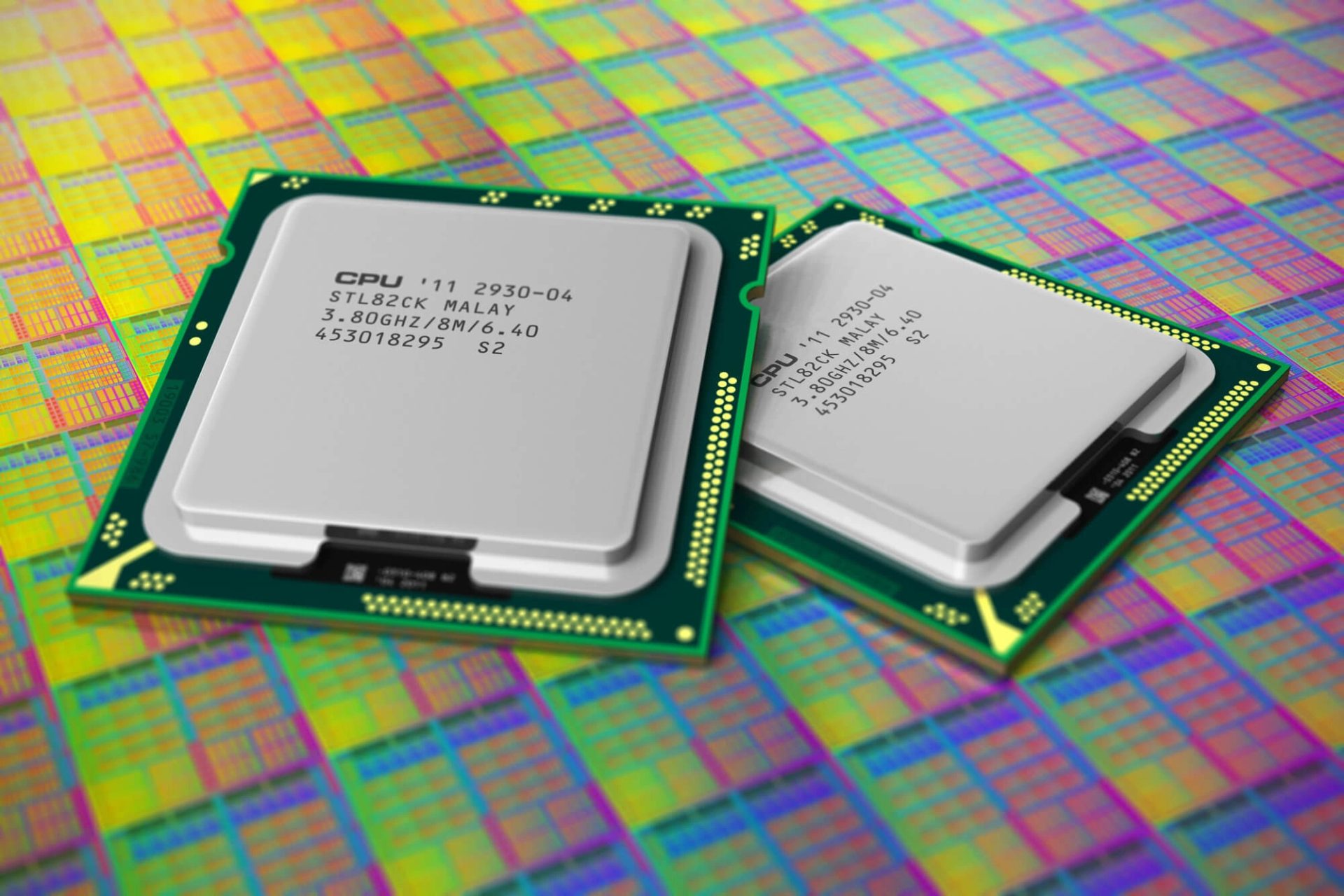
CPU lead times have reportedly expanded to between 25 and 30 weeks, up from a more typical range of around 16 to 20 weeks in a balanced market, adding another sign that processor demand is tightening.
The change comes as the industry continues debating how much new CPU capacity will be needed for personal AI agents such as Meta Muse. These services rely on cloud based virtual machines to perform tasks, but the actual amount of physical CPU hardware required is more complicated than simply assigning a fixed number of cores to every active person.
The latest lead time data suggests supply conditions are becoming less comfortable even before the full impact of large scale personal AI agents is clear.
Meta Muse is built around dedicated cloud environments
Meta has said Muse gives each person a dedicated virtual machine containing 2 vCPUs, 8GB of RAM and 100GB of SSD storage.
The virtual machine includes its own browser and is designed to handle multi step tasks, including navigating websites and completing work even after the main app is closed.
A separate Sentinel system monitors the environment and is intended to stop transactions from being finalized without additional approval and explicit confirmation.
At first glance, this setup could suggest enormous processor requirements if Muse reaches tens of millions of daily active users.
However, virtual machines do not require a one to one relationship with physical CPU cores.
Oversubscription changes the CPU demand calculation
AI agent sandboxes often spend much of their time waiting for model responses, network activity, tool results or user input.
That means a live virtual machine can remain active while using very little CPU time.
One recent analysis uses a scenario with 100 million daily active Muse users and assumes each agent works for an average of two hours per day.
That produces an average requirement of around 8.33 million active virtual machines.
After applying a 2.5 times peak to average factor, the figure rises to about 20.8 million VMs. Adding roughly 20 percent spare capacity for spikes, failures and future growth brings the estimate to about 25 million live virtual machines.
| Scenario | Estimated live VMs |
|---|---|
| 100 million DAUs, 2 hours daily use | 8.33 million average |
| After 2.5x peak factor | 20.8 million |
| After 20% spare capacity | 25 million |
| 100 million DAUs, 4 hours daily use | Around 50 million |
A heavier usage case, with four hours of agent activity per person per day, could push the requirement to around 50 million live virtual machines.
Physical core demand could be much lower than VM counts suggest
The next question is how many physical CPU cores each VM actually needs.
The analysis uses DeepSeek's DSec agent sandbox platform as a reference point.
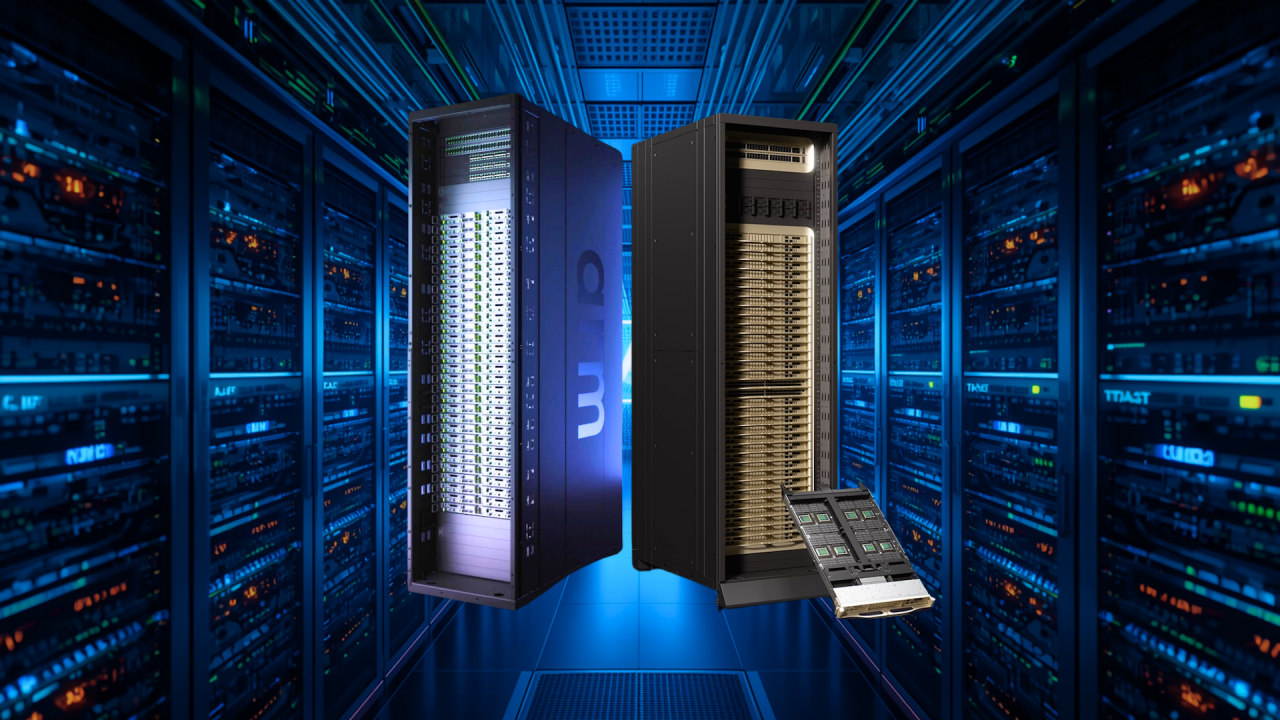
That system reportedly operates around 160 nodes with approximately 30,000 physical CPU cores and peak concurrency above 380,000 sandboxes. It also reaches a stable density of around 800 microVMs per node.
With about 188 physical CPU cores per node, that works out to roughly 0.23 physical cores per live microVM.
Because Meta may not reach the same level of efficiency, the analysis widens the expected range to between 0.3 and 0.75 physical cores per live VM and uses 0.5 as a base case.
At 25 million live VMs, that would imply around 12.5 million physical CPU cores rather than 50 million cores from a simple 2 vCPU per VM calculation.
DeepSeek also reportedly found that around 90 percent of its sandboxes use 5 percent or less of their requested CPU capacity on average, largely because agents spend significant time waiting rather than actively computing.
Faster inference does not automatically reduce demand
The required number of physical cores per VM is unlikely to remain fixed.
Faster AI inference could reduce waiting time and change how heavily CPUs are used. At the same time, higher efficiency may encourage people to run more tasks, which could increase overall demand.
That makes long term CPU requirements difficult to estimate precisely.
There are several moving variables, including average agent usage time, peak demand, infrastructure efficiency, oversubscription ratios and the speed of the underlying AI models.
Longer lead times point to tighter CPU supply
Despite the uncertainty around personal AI agents, the reported increase in CPU lead times is a more immediate signal.
Moving from roughly 16 to 20 weeks to around 25 to 30 weeks suggests that procurement conditions have tightened materially.
It does not prove that services such as Meta Muse are solely responsible, and the exact future demand remains uncertain.
Still, the combination of longer lead times and the growing use of CPU heavy virtual machine infrastructure suggests processors are becoming increasingly important to the AI market, particularly as agentic systems require large numbers of isolated environments to coordinate tasks around model inference.

Discussion (0)
Be the first to comment.