



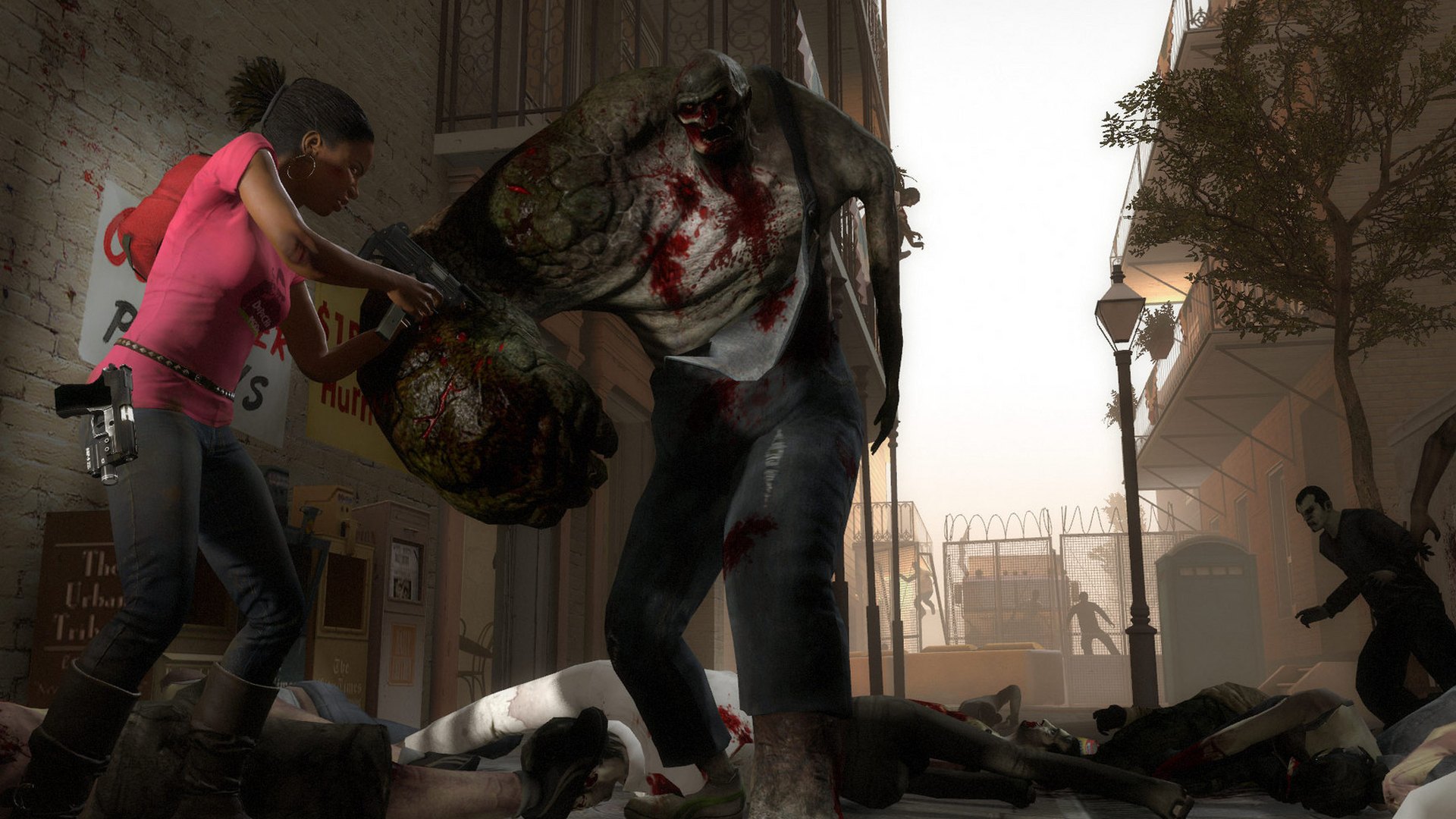
Chet Faliszek published a video on his own YouTube channel on September 17 answering why Valve does not simply hire more developers. His answer is that the games Valve makes are not the kind that enormous teams build well.
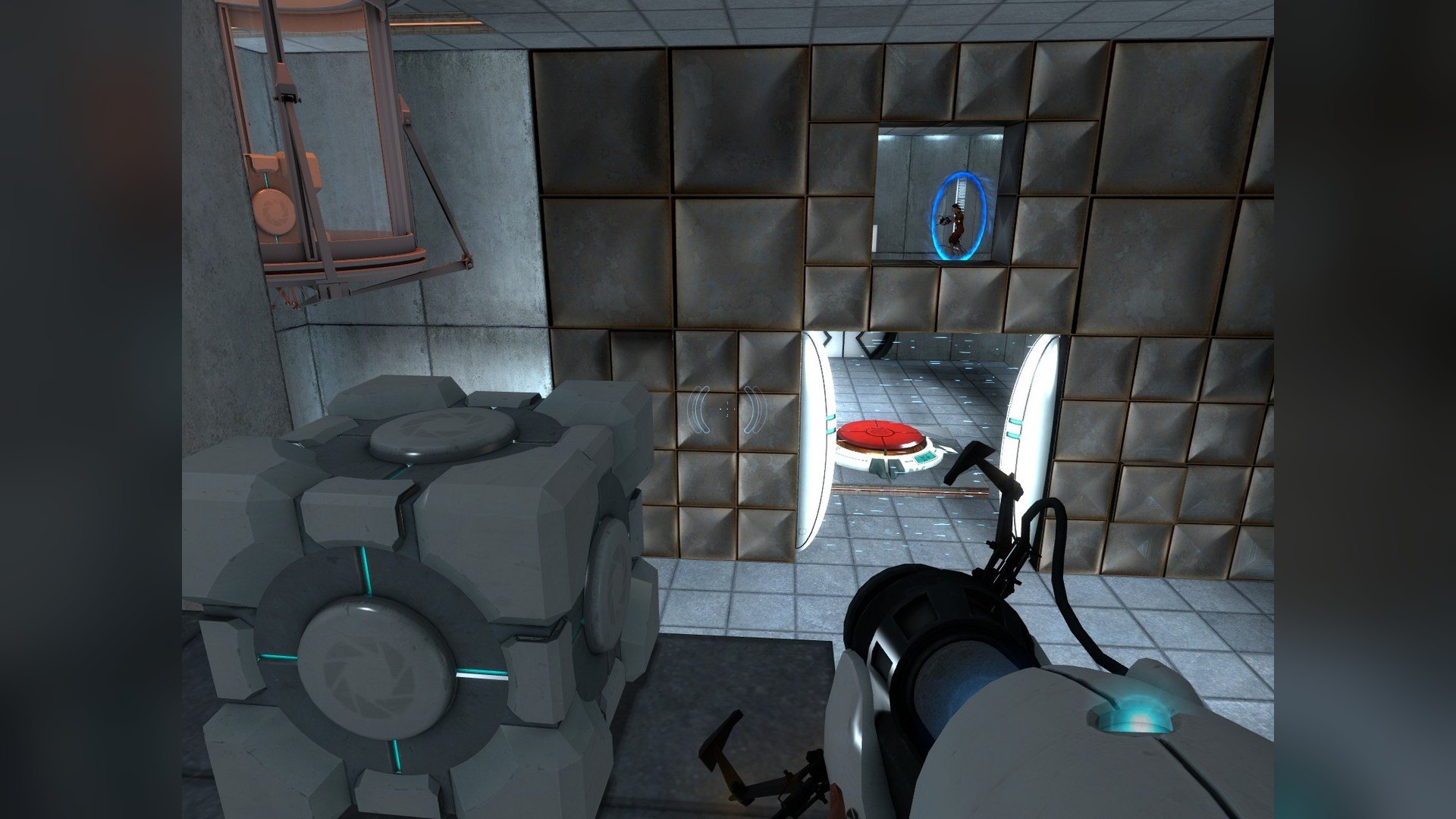
Faliszek describes on camera the work he did at Valve on Left 4 Dead, Left 4 Dead 2, Team Fortress 2 and the original Portal, plus the HTC Vive reveal at GDC. Of one creative decision from that era he says, "This is some of the role I played at Valve."
The argument is not new to Valve itself. The company made a close version of it in its own 2012 Handbook for New Employees.
What Faliszek says about team size
"I had a couple people ask about team size in Valve and why doesn't Valve just grow bigger and then they can make more games and be faster?" he says in the opening seconds.
His core claim lands seconds later. "These giant teams just don't work," he says at around 0:34. Games, he adds, are not made to be built by 10,000-person teams.
He is careful not to claim Valve could not staff up. "there are enough good people out there that they could hire more good people," he says at about 1:08.
He also allows exceptions. "there's some games that I've played like I'm going to play Grand Theft Auto and that's played made by a gazillion people," he says at around 0:51. Those cases are "way more rare than the games that just have problems and struggle," he adds. He names the series generically and never names an installment.
On what actually eats schedules, he points at about 2:03 to "indecision, backtracking" and problems like that. Those cost more time "than just production," he says.
The 45-person Left 4 Dead 2 argument
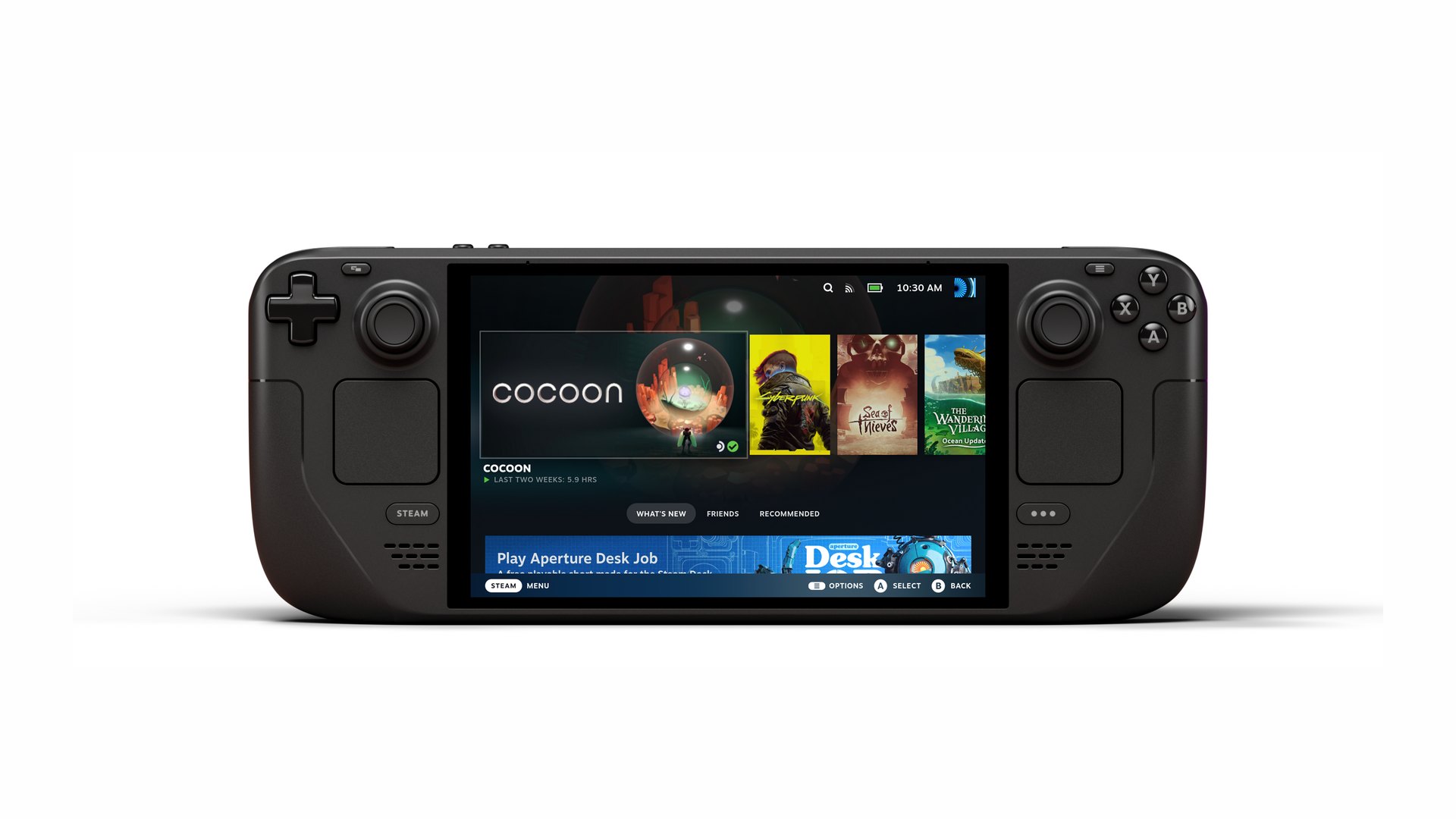
His concrete example is the sequel he worked on. "We made Left 4 Dead 2 with 45 people. I don't think it would have been a better game if we would have made it with 450 people," he says at roughly 11:06.
He ties that to physical proximity. "At Valve, when you're like 25 people or 45 people, you're all in the same room essentially," he says at about 4:57.
That cohesion is what he says disappears at scale. "You see that that's lost when you're on a team of 500 people. And you can make good games, and people do," he says at around 8:47.
He extends the point to distance as well as headcount. "my own experience is I hated working remote," he says at about 12:07, tying struggling projects to the COVID period. Early builds of Left 4 Dead were among the files in the reported 12 TB Valve leak in August.
Valve made the same point about hierarchy in 2012
His structural worry is specific to Valve. The company has "not a formal management structure," he notes at around 8:55. Adding that many more people would produce "management structures that would come up on the fly and would be unhealthy," he says.
Valve's handbook says something very close in the company's own words. It warns that "problems show up when hierarchy or codified divisions of labor" are imposed on a group or left in place too long. Those structures, it says, "inevitably begin to serve their own needs."
The same document states the premise plainly: "That's why Valve is flat. It's our shorthand way of saying that we don't have any management, and nobody 'reports to' anybody else."
It also supplies the only company-authored headcounts available. Its timeline lists 30 employees in 1998 and 293 in 2012.
On pace, it says hiring growth "hovered between 10 and 15 percent per year, for years," rising to about 20 percent in 2010. It also states, "We do not have a growth goal."
What Valve has not published
Valve's current total headcount is not published. Neither its about page nor its jobs page gives a company-wide figure, and the handbook's numbers are more than 13 years old.
A figure of 336 employees, tied to 2021 litigation, has been reported. It comes from secondary coverage rather than from Valve, so it is not the company's own number.
The jobs page, checked on September 22, 2026, lists roughly 30 openings across 11 disciplines. Valve says there that it does "not usually hire for specific roles" because it is "a flat company without hierarchy and job titles."
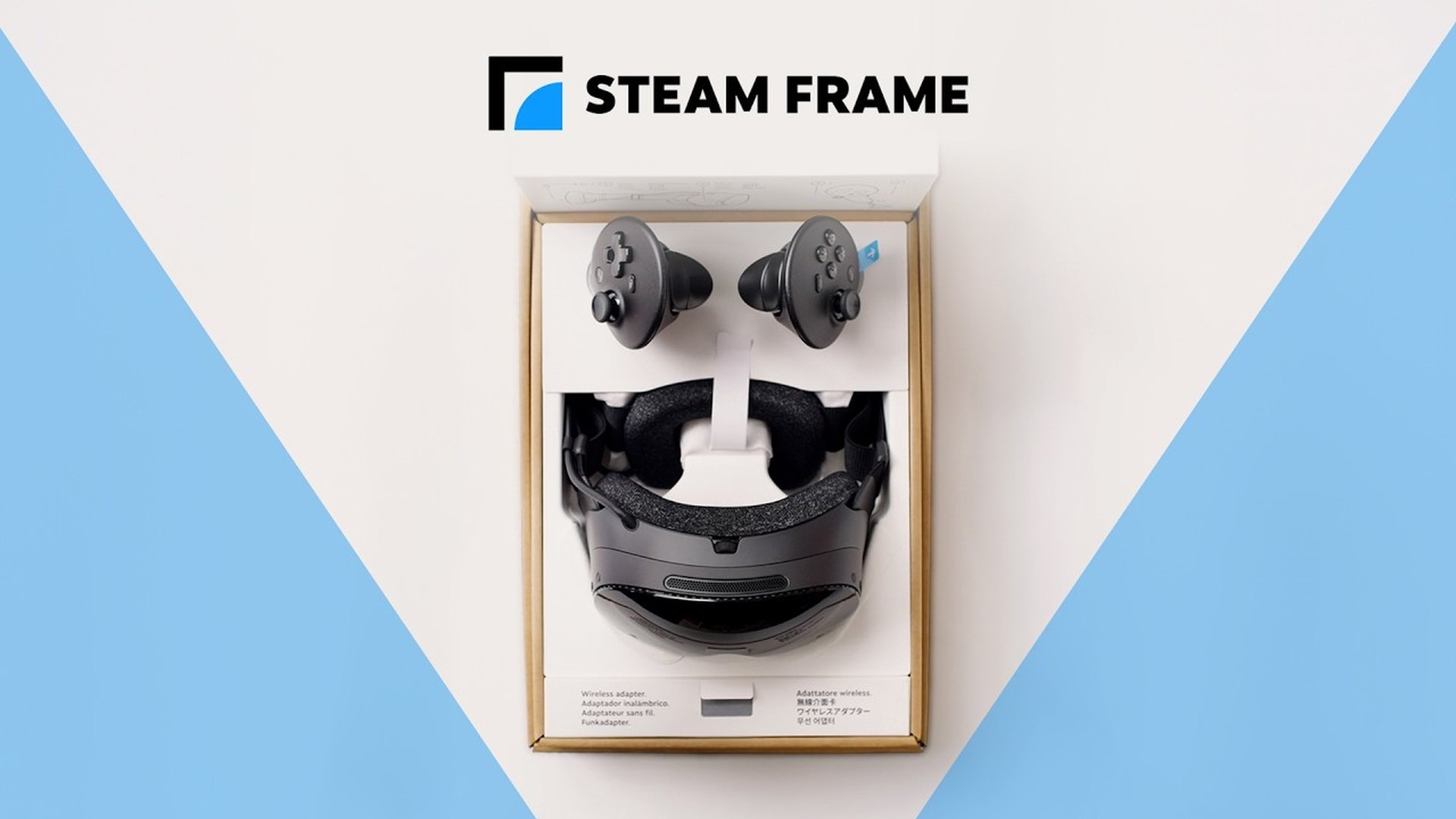
One gap in the video is worth flagging. Every example Faliszek gives predates 2016. He says nothing about the teams behind the Steam Frame headset that launched at $1,059, or the handheld line Valve addressed when it said the RAM shortage had not changed its Steam Deck 2 plans. No updated headcount has been announced.


Discussion (0)
Be the first to comment.