



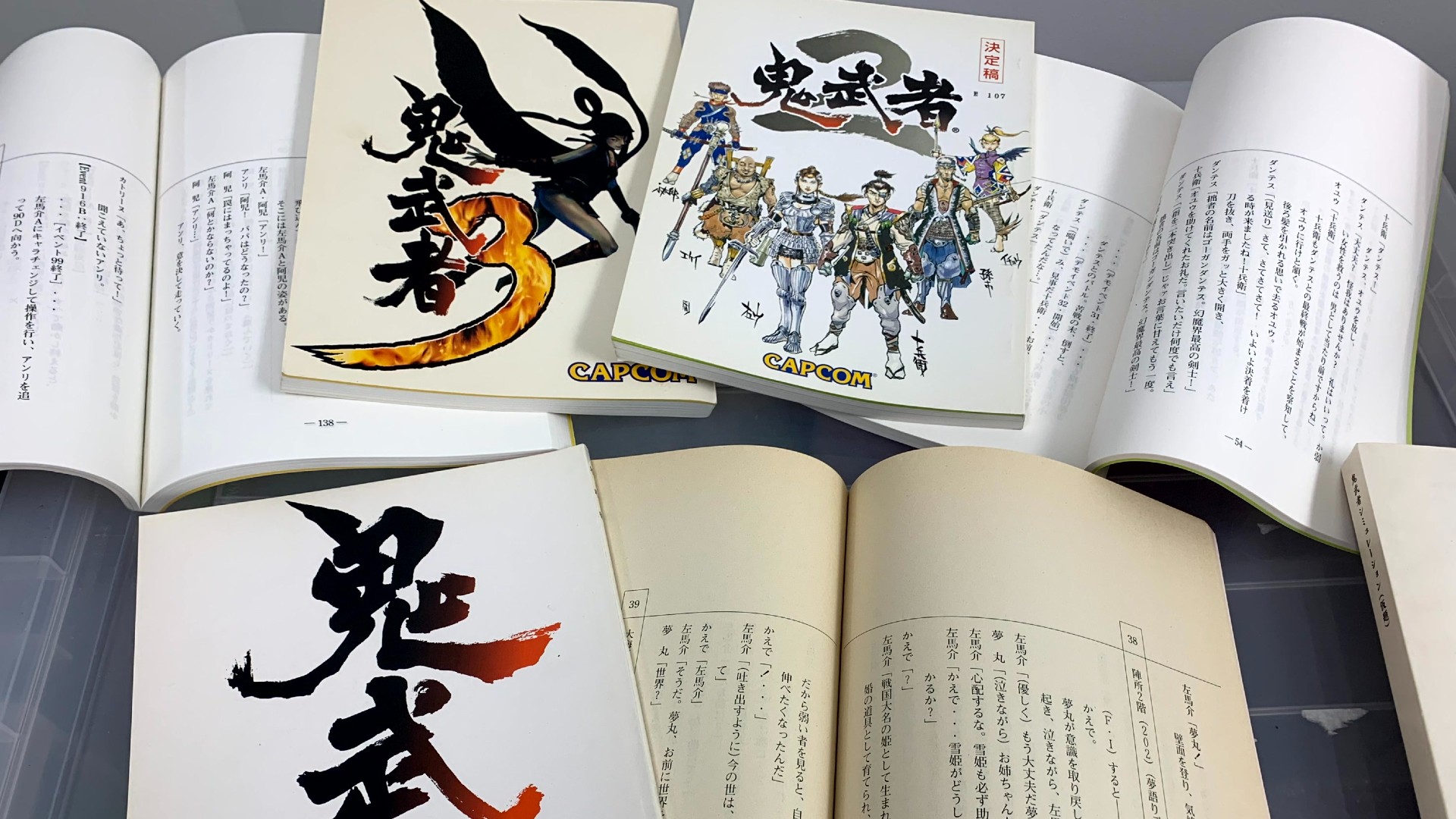
Capcom wanted to revive Onimusha long before it approved Onimusha: Way of the Sword, but the company struggled to assemble a development team while its largest franchises required more staff and resources.
Director Satoru Nihei said the growing demands of modern game development made it difficult to move the project forward. Teams were already committed to major series such as Monster Hunter, Resident Evil and Street Fighter, along with several newer projects.
The situation changed after Capcom reorganised its development operations and introduced the RE Engine. The shared technology now supports many of the company’s modern games, making it easier for teams to build new projects without creating every major system separately.
Onimusha: Way of the Sword is scheduled to launch on September 4 for PC, PlayStation 5, Xbox Series X|S and Nintendo Switch 2. A playable demo is available across all four platforms.
| Detail | Information |
|---|---|
| Game | Onimusha: Way of the Sword |
| Release date | September 4, 2026 |
| Platforms | PC, PlayStation 5, Xbox Series X |
| Main technology | RE Engine |
| Central combat feature | Issen counterattacks |
| Series absence | Around 20 years |
Capcom’s largest games absorbed much of its available talent
Onimusha remained well regarded inside Capcom, but positive reception alone was not enough to secure another game. Development had become more expensive and required larger teams, while the publisher’s most successful properties continued to expand.
Monster Hunter grew into one of Capcom’s biggest global franchises. Resident Evil also returned to strong commercial and critical performance through remakes and new main entries. Street Fighter required continued investment as Capcom rebuilt the fighting series for a larger competitive audience.
These projects reduced the number of experienced developers available for a new Onimusha game. Capcom also had to support emerging titles and original properties, leaving little room for a series that had been inactive for many years.
The publisher’s earlier difficulties during the PlayStation 3 and Xbox 360 generation also affected its ability to revisit older franchises. Capcom later changed its production approach, improved quality control and began using technology across multiple teams.
The RE Engine became an important part of that recovery. It has powered games from several Capcom series and provides a common foundation for graphics, animation and other development systems. That reduced some of the technical barriers involved in bringing Onimusha back.
Way of the Sword is built around the series’ defining mechanics
After such a long absence, the development team wanted the new game to feel recognisable to returning players. Its combat was therefore designed around several features associated with earlier Onimusha titles.
The Issen system remains one of the most important elements. It allows you to defeat or heavily damage an enemy by attacking with precise timing. Success requires you to understand an opponent’s movement and respond at the correct moment.
The Oni Gauntlet also returns as a central part of combat. You can absorb souls from defeated enemies and decide when to use the abilities connected to them. This creates a tactical choice between immediate support and saving resources for a more dangerous encounter.
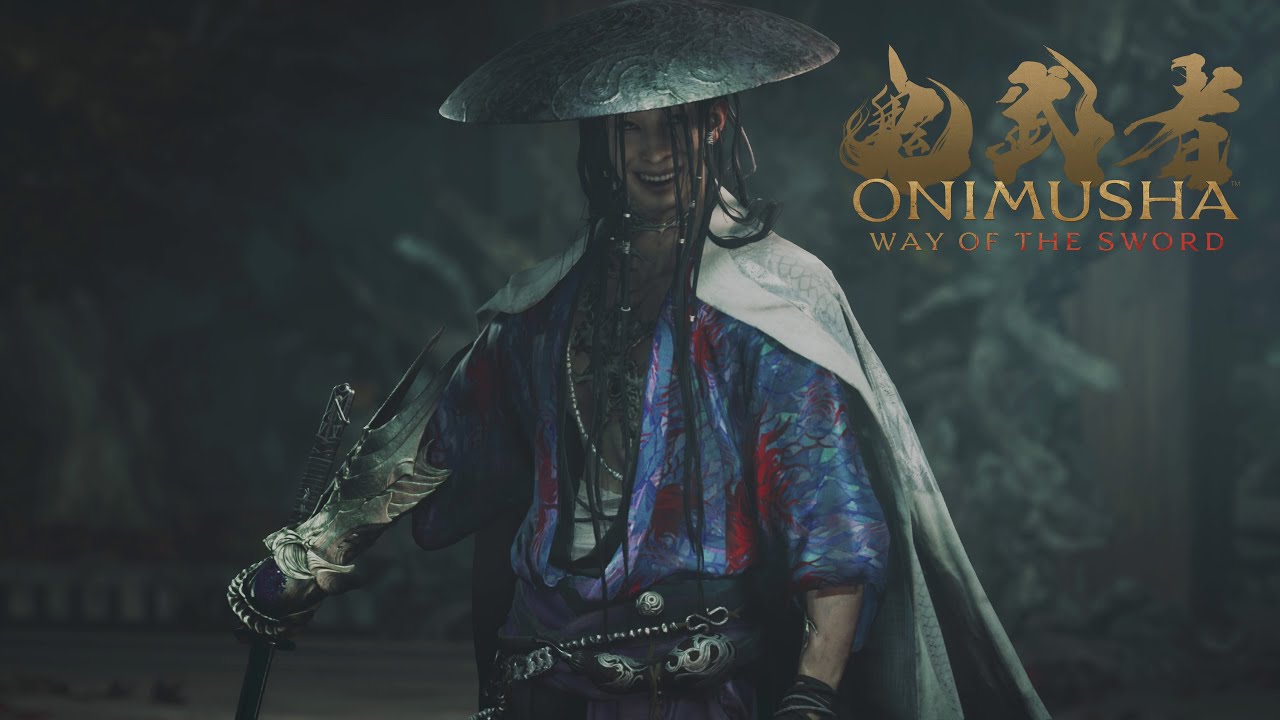
Historical Japan continues to shape the setting. Earlier games used the Sengoku period, while combining real locations and figures with demons and supernatural events. Way of the Sword follows the same broad identity by mixing Japanese history with dark fantasy.
These systems are intended to separate Onimusha from other modern action games. Parrying has become common across the genre, but the strict timing of Issen attacks gives the series its own rhythm when the difficulty is properly balanced.
The demo has raised concerns about the final difficulty
The available demo provides an early look at the combat, but its low challenge level has caused some concern. Enemies often appear passive and can be defeated through ordinary attacks without requiring careful use of the Issen system.
If regular attacks are consistently safer and easier, the game’s most distinctive mechanic could become optional. That would weaken the tactical structure Capcom says it wants to preserve.
Producer Akihito Kadowaki has stated that the complete game will offer a greater challenge. The final release may include stronger opponents, more aggressive behaviour and difficulty settings that make precise counters more valuable.
A carefully judged challenge will be important for Way of the Sword. The game needs to remain accessible to new players while still giving experienced fans a reason to study enemy attacks and use its deeper systems.
Capcom’s modern production structure finally gave the publisher the opportunity to assemble an Onimusha team after two decades. The remaining question is whether Way of the Sword can preserve the series’ demanding combat identity while adapting it for a wider audience.

Discussion (0)
Be the first to comment.