




Apple has reportedly reached a preliminary chipmaking deal with Intel, giving the company another source of supply for future chips used in its devices.
The agreement is said to involve Intel manufacturing some Apple chips, though the exact product has not been officially named. The report suggests the chip could be Apple’s next generation A21, which may be used in future MacBook Neo models.
Apple currently relies heavily on TSMC for its advanced chips. The MacBook Neo uses the A18 chip, which is also used in the iPhone 16 series. Demand for the MacBook Neo has reportedly been strong, and the wider chip supply chain remains tight because AI companies are taking up more advanced manufacturing capacity.
That makes extra supply important. If Apple can use Intel foundry capacity for some future chips, it may be able to produce more MacBook Neo laptops and avoid depending only on TSMC.
The deal could also matter a lot for Intel. Intel has been trying to grow its foundry business and prove that major outside customers trust its manufacturing technology. A deal with Apple would be a strong signal, especially as Intel promotes future nodes such as 18A P and 14A, along with advanced packaging technologies like EMIB.
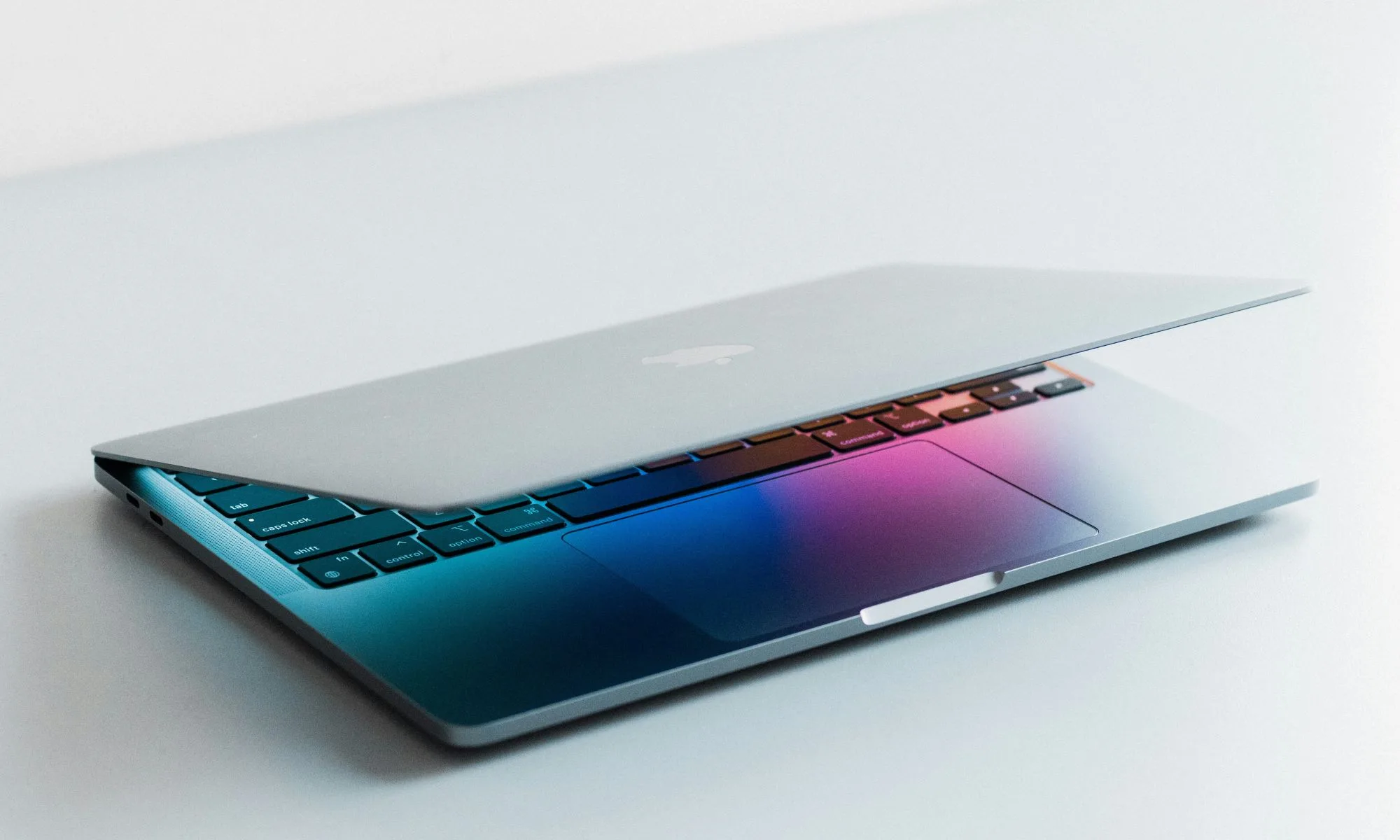
The timing is interesting because MacBook Neo is also becoming a direct competitor to low cost and mainstream Windows laptops powered by Intel and AMD chips. Intel recently introduced Core Series 3 processors, known as Wildcat Lake, for that same segment.
Here is the current picture:
| Area | Details |
|---|---|
| Companies involved | Apple and Intel |
| Deal status | Reportedly preliminary |
| Possible chip | Apple A21 |
| Target device | Future MacBook Neo models |
| Current Apple chip supplier | TSMC |
| Main reason | Extra supply as advanced chip capacity stays tight |
| Intel benefit | Major foundry confidence boost |
| Possible Intel nodes | 18A P or 14A |
Apple has reportedly looked at both Intel and Samsung as possible extra manufacturing partners. That does not mean TSMC is being replaced. It more likely means Apple wants more flexibility as chip demand rises and advanced wafer supply becomes harder to secure.
For Intel, this would be one of the clearest signs that its foundry comeback is gaining traction. For Apple, it could help keep MacBook Neo production moving if demand continues to grow.



Discussion (0)
Be the first to comment.